We use cookies on this website, you can read about cookies and GDPR Privacy Policy here
Coddan CPM Ltd. – Company Registration Agent in the UK

Explore the key responsibilities of directors as outlined in the Companies Act 2006, along with effective enforcement mechanisms to uphold these duties.

Step 1
Act Within Powers (Section 171)
Step 2
Promote the Success of the Company
Step 3
Exercise Independent Judgment
Step 4
Exercise Duty of Care (Sec. 173-174)
Step 5
Manage Conflicts of Interest
Step 6
Appointment of Directors

How to Strengthen Leadership Through Director Duties


Ensure your company’s compliance with the Companies Act 2006. Our corporate secretarial services reduce administrative burdens and protect directors from penalties.

Appointing a professional corporate secretarial service can significantly reduce administrative risk and help directors meet their legal obligations under the Companies Act 2006. While UK private companies are not legally required to appoint a company secretary, directors remain personally responsible for statutory compliance, including maintaining company registers, filing annual accounts, submitting Confirmation Statements, and notifying Companies House of any structural changes.
By working with a professional provider such as Coddan CPM, directors can ensure that statutory deadlines are met, company records are properly maintained, and all filings are completed accurately and on time. This reduces the risk of late filing penalties, director disqualification, or company strike-off due to non-compliance.
A corporate secretarial service typically includes statutory register maintenance, Companies House filings, board minutes and resolutions, Confirmation Statement filing, and general compliance monitoring. This support allows directors to focus on running the business while ensuring the company remains compliant, properly governed, and in good standing with UK authorities.
In practice, appointing a professional corporate secretarial service is not just administrative support—it is a risk management and compliance function that helps protect both the company and its directors.

Streamline your corporate governance with Coddan CPM. We offer expert entity management and compliance services for UK companies, ensuring legal obligations are met.

Coddan CPM is an independent provider specialising in entity management, company secretarial services, and corporate governance support for UK companies. The service is designed to help directors meet their legal obligations, maintain accurate statutory records, and ensure ongoing compliance with the Companies Act 2006 and filing requirements at Companies House.
Coddan CPM provides comprehensive corporate services, including statutory compliance management, statutory register maintenance, company restructuring support, and Companies House filings. The service also includes independent director services, company secretarial duties, and board meeting facilitation, helping companies maintain proper governance structures and documented decision-making processes.
This type of professional support is particularly valuable for overseas owners, startups, and growing companies that need reliable UK-based compliance oversight. By outsourcing company secretarial and governance functions to a specialist provider, directors can reduce administrative burden, minimise compliance risks, and ensure the company remains in good standing with UK authorities while focusing on business operations and growth.


Fast selling packages. FREE delivery Thursday, April 2nd 2026. 49 orders are in the queue. The last order was sent 14h 18m ago.

Streamline your company management with Coddan; we offer quick, affordable services for updating director details with Companies House, often in just 1-2 days.

Update your company director details swiftly with Coddan; our affordable online services ensure changes are processed with Companies House in just 1-2 days.
£18.99
+VAT

Buy “GovernSure Pack”

Recommended for

1
package

Buy Now Appointing a new director must be handled correctly to ensure full legal compliance. Coddan CPM delivers a fast, accurate, and fully compliant Form AP01 filing service, ensuring your company meets its statutory obligation to notify UK Companies House within the required 14-day deadline. Form AP01 is the official notification used to appoint an individual as a director of a private limited company. However, filing alone is not the appointment itself—the director must first be validly appointed in accordance with the Companies Act 2006 and your company’s Articles of Association. Our structured process ensures that the appointment is legally effective before submission, protecting your business from invalid resolutions or rejected filings.

We manage the entire process on your behalf, from collecting and verifying required personal and company information to securely submitting the form electronically. Our digital filing service provides greater speed, security, and efficiency than paper submissions, significantly reducing administrative delays. As director details form part of the public register, accuracy is critical. We ensure all mandatory information, including appointment dates and statutory disclosures, is recorded correctly. Whether expanding your board, replacing a director, or restructuring management, Coddan CPM makes director appointments straightforward, compliant, and professionally managed—so you can focus on running your business with confidence.


£18.99
+VAT

“ExecuChange Solutions”

Recommended for

2
package

Buy Now Form TM01 is the statutory notice used to inform British Companies House of a director’s resignation or termination. The filing must be submitted within 14 days of the effective date, and accuracy is essential to maintain valid company records. Coddan CPM provides a fully managed TM01 filing service, ensuring your notification is prepared correctly and submitted on time. We verify your company details, record the precise termination date, and securely file the form electronically—reducing the risk of rejected filings or compliance breaches.

It is important to note that TM01 is a notification, not the act of removal itself. The resignation or termination must first comply with the Companies Act 2006 and your company’s Articles of Association. Our structured approach ensures the underlying corporate steps are properly completed before submission. If a replacement director is required, we can prepare and file Form AP01 simultaneously, maintaining continuity of governance and avoiding management gaps. Director changes affect the public register and carry legal implications. Our digital, compliance-focused service manages the process from start to finish—so you can update your board quickly, accurately, and with full regulatory confidence. Simplify director resignations with our all-in-one bundle; for only £18.99 + VAT, get e-Filing, ID verification, and statutory register updates.


£18.99
+VAT

Buy “Amendify Pro”

Recommended for

3
package

Buy Now Form CH01 is the statutory notice used to update a director’s personal details on the public register maintained by Companies House. Coddan CPM manages the entire CH01 filing process accurately and efficiently, ensuring your company remains fully compliant. Form CH01 is used to amend existing director particulars, including name changes, service address updates, or residential address amendments. It is not suitable for appointing or removing directors. Certain corrections—such as amending a date of birth—require a resignation and reappointment using Forms TM01 and AP01, which we can also prepare and file where necessary.

Director information appears on the public register, so precision is critical. Our streamlined electronic filing service ensures all required details are reviewed, prepared, and submitted securely, significantly reducing the risk of rejected filings or discrepancies between statutory records and internal registers. We handle the administrative process from start to finish, allowing you to focus on running your business while we manage compliance. Whether a director has relocated, changed their legal name, or requires a new service address, we ensure your records are updated promptly, correctly, and in strict accordance with UK company law. Transform how you manage officer changes with our software; benefit from digital step-by-step processes and automatic updates to your statutory books.


£18.99
+VAT

“CorpDirect Compliance”

Recommended for

4
package

Buy Now Appointing a corporate director requires strict compliance with UK company law. Coddan CPM offers a fully managed Form AP02 filing service, ensuring your appointment is processed accurately and in line with the requirements of Companies House. Form AP02 (officially titled Appoint a corporate director) is used exclusively to appoint a corporate entity—such as another company or firm—as a director of a UK private limited company. It is commonly required in group structures and is not suitable for appointing individuals, amending director details, or recording resignations.

Corporate director appointments must be legally valid before notification. Our structured process ensures compliance with the Companies Act 2006 and your company’s Articles of Association prior to submission. We collect and verify all required information, including the corporate director’s registered details and appointment date, and submit the form securely within statutory deadlines. Accuracy is essential, as director information forms part of the public register. Our electronic filing service reduces administrative burden, minimises the risk of rejected filings, and ensures that your statutory records remain correct and up to date. Whether restructuring your board or expanding a corporate group, Coddan CPM handles AP02 filings professionally and efficiently—allowing you to focus on strategic growth while we manage regulatory compliance with precision.


Fast selling packages. FREE delivery Thursday, April 2nd 2026. 26 orders are in the queue. The last order was sent 14h 18m ago.

Easy register or add your company director now, submit AP01 application with your director appointments details today!

Start adding new director appointment for Companies House, complete your company Key Managerial Personnel appointment in 5 minutes.
£75.00
+VAT

“SwiftDirector Solutions”

Recommended for

1
package

Buy Now Order your director appointment online with Coddan and have it filed with Companies House within 24 hours, subject to statutory requirements and processing times. Our all-inclusive service ensures your new director is properly appointed and registered on the public record with full supporting documentation. Director appointments must comply with the Companies Act 2006 and your company’s Articles of Association. Filing Form AP01 is a notification of an appointment that must already be legally valid. Our structured process ensures that board or shareholder approvals are correctly prepared before submission, protecting your company from invalid appointments or rejected filings.

Our professional bundle includes preparation and filing of Form AP01, board minutes or written resolutions, shareholder (member) resolutions where required, and a director service agreement. This comprehensive documentation package ensures both internal compliance and accurate public registration. Through our secure electronic application system, you can also select optional services such as a compliant director service address, certified copies of filed forms, and a certificate of good standing. As a licensed Authorised Corporate Service Provider (ACSP), Coddan delivers a complete, legally compliant director appointment solution—efficient, cost-effective, and professionally managed from start to finish.


£75.00
+VAT

“ClearPath Solution”

Recommended for

2
package

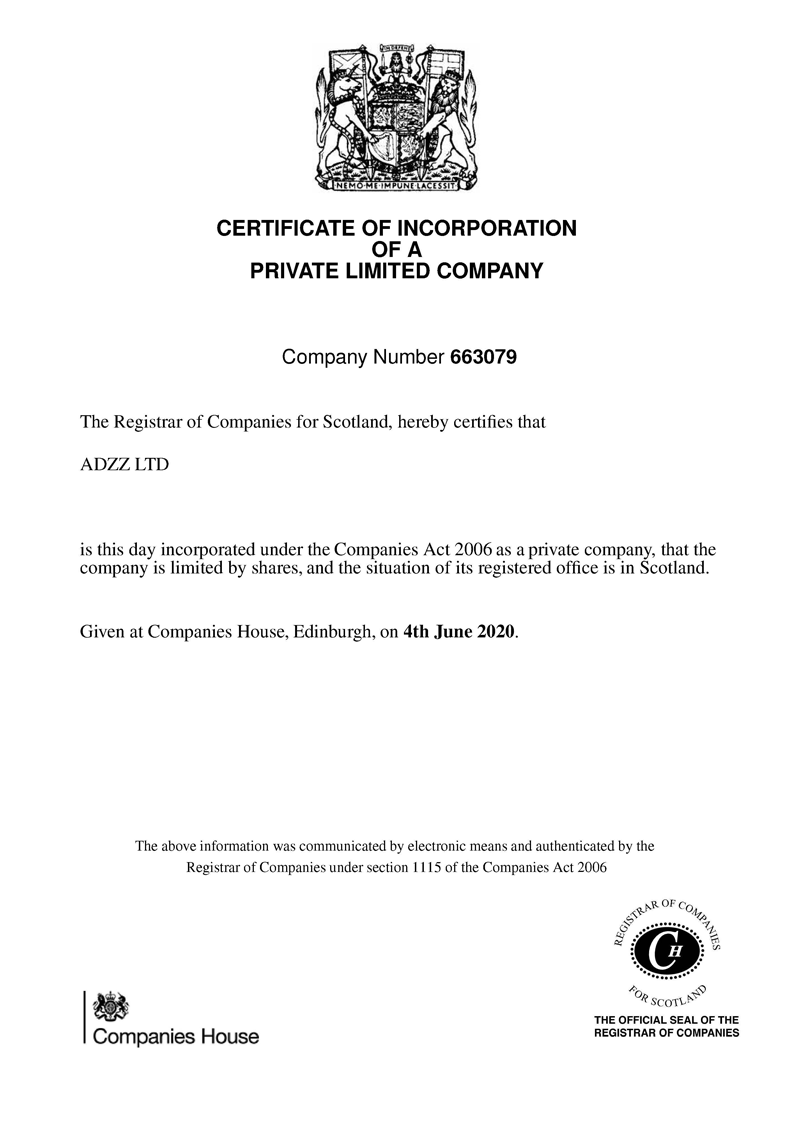
Buy Now If you need to appoint and register a new director for your Scottish limited company quickly and professionally, Coddan offers a compliant, end-to-end solution. Our ClearPath Solution pack is designed to deliver speed, accuracy, and legal certainty—often completing director appointments within 24 hours, subject to statutory requirements and processing by Companies House. Appointing a director requires more than submitting a form. The appointment must comply with the Companies Act 2006 and your company’s Articles of Association before filing Form AP01. Our experienced company secretarial team ensures that board or shareholder approvals are properly prepared, statutory registers are updated, and the filing is submitted accurately and within the 14-day deadline.

Unlike basic filing services, our comprehensive package includes a complete set of professionally prepared corporate documents to support the appointment. This structured approach protects your company from invalid resolutions, rejected filings, or governance gaps. With over 20 years of corporate and secretarial experience, we provide tailored document solutions backed by regulatory precision and attention to detail. There is no need to navigate Companies House procedures alone. Choose the ClearPath Solution for a fast, compliant, and professionally managed director appointment—delivering confidence, efficiency, and peace of mind for your Scottish company.


£75.00
+VAT

“AppointWise Solution”

Recommended for

3
package

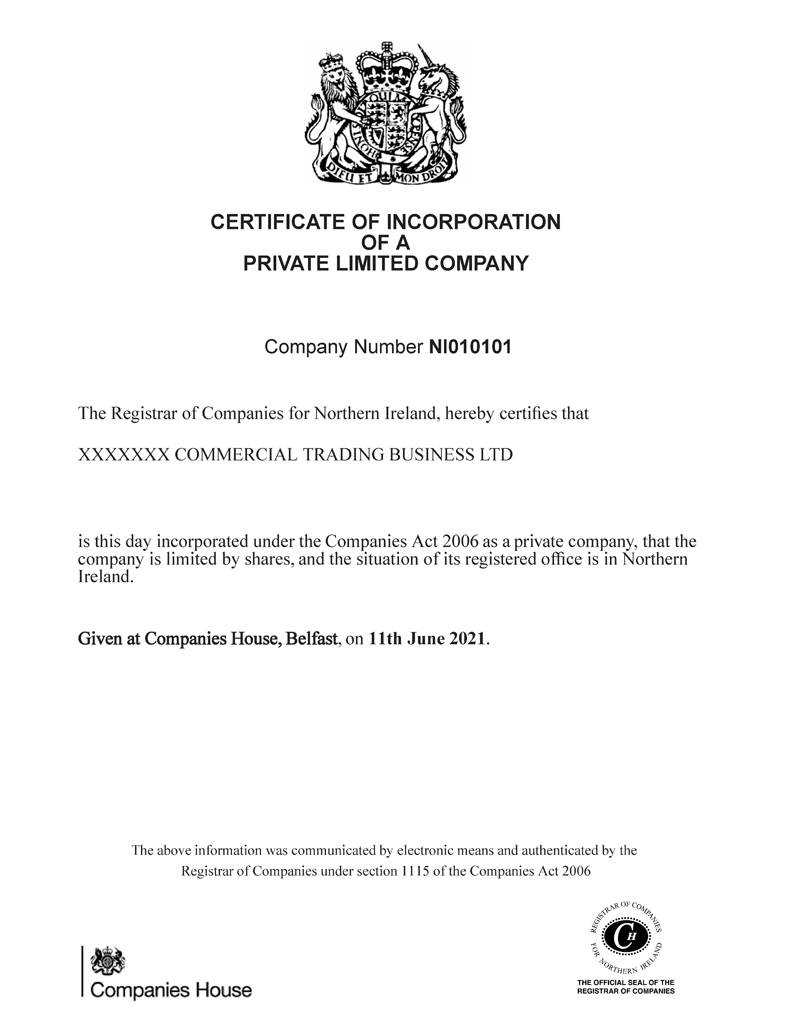
Buy Now If your company is registered in Northern Ireland and you need to appoint a new director remotely, Coddan CPM provides a fast, compliant, and professionally managed solution. We go beyond simply completing and filing Form AP01—we ensure the entire appointment process is legally valid and fully aligned with UK company law. Director appointments must comply with the Companies Act 2006 and your company’s Articles of Association before notification to UK Companies House. Filing AP01 is only a notification of an appointment that has already taken place correctly. Our experienced corporate secretarial specialists ensure that board approvals are properly documented, statutory registers are updated, and all required legal procedures are completed before submission.

We prepare and file the statutory form, draft board minutes or written resolutions where required, and ensure that your internal records match the public register. This structured approach reduces the risk of rejected filings, governance issues, or compliance gaps. Our service is particularly valuable for directors who want more than a basic filing solution. We deliver a complete, professionally prepared documentation pack, saving you time while ensuring regulatory accuracy. With Coddan CPM, appointing a director in Northern Ireland becomes straightforward, efficient, and fully compliant—allowing you to focus on running your business with confidence.


£75.00
+VAT

“Compliance Direct”

Recommended for

4
package

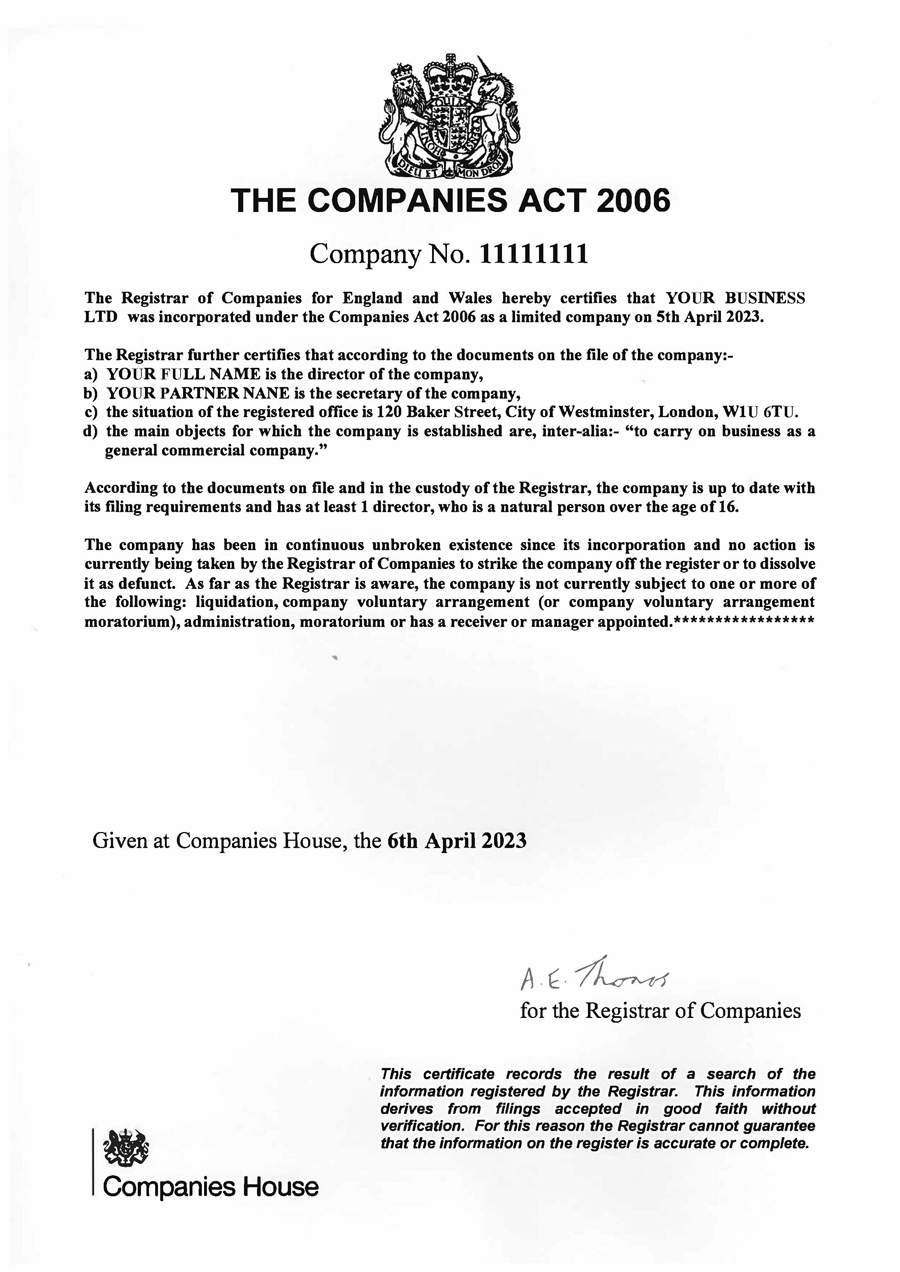
Buy Now If your London-incorporated limited company needs to appoint or add Key Managerial Personnel, Coddan provides a comprehensive, legally compliant solution. Our all-inclusive service is designed not only to register a new director but also to ensure you fully understand the legal implications of the appointment. Director appointments are governed by the Companies Act 2006 and your company’s Articles of Association. Filing Form AP01 with Companies House is a statutory notification of an appointment that must already be validly approved. Regardless of who files the form, company directors remain legally responsible for ensuring compliance and accuracy.

Our structured service ensures the appointment is properly authorised before submission. We prepare board minutes or written resolutions where required, update statutory registers, and deliver a complete corporate document pack supporting the appointment. This approach reduces the risk of rejected filings, invalid resolutions, or governance issues. You do not need to be a legal expert to manage your company—but director changes require precision. Our bundle is ideal for business owners who prefer professional oversight rather than navigating corporate law alone. Strengthen your London limited company with a properly documented and compliant director appointment—handled efficiently, accurately, and with full legal certainty.


In 2026, the rules for managing company directors have undergone the most significant shift in a generation due to the Economic Crime and Corporate Transparency Act (ECCTA) . The "nature" of being a director now requires a mandatory digital link between your physical identity and the company record.

For anyone establishing a private company limited by shares in the UK, understanding the role of a company director is essential. Directors are responsible for managing the company, making strategic decisions, and ensuring the business complies with UK company law and Companies House requirements. This guide explains the appointment of directors, director resignation, director removal, and the legal duties of directors under the Companies Act 2006.


Directors’ Powers and Duties Under the Companies Act 2006

Under the Companies Act 2006, company directors are responsible for the management of the company’s business and affairs, and they owe fiduciary and statutory duties to the company. These duties are set out in Sections 171–177 of the Companies Act 2006 and are owed to the company as a separate legal entity, not directly to individual shareholders.

Directors are responsible for making strategic and operational decisions, managing company resources, and ensuring the company complies with UK company law and Companies House requirements. While directors manage the company, their powers are subject to the company’s articles of association, which act as the company’s internal rulebook.

In most UK companies, directors have the power to appoint new directors, typically under the articles of association. However, shareholders retain the statutory right to remove a director under Section 168 of the Companies Act 2006 by passing an ordinary resolution. This creates a balance of power in which directors manage the company, but shareholders retain ultimate control over board composition.


Summary – Directors vs Shareholders' Powers

Role Power
Directors Manage company and appoint directors (via articles)
Shareholders Remove directors (Section 168 CA 2006)
Directors Owe duties to the company (Sections 171–177 CA 2006)
Shareholders Control the company through voting rights


Ensure compliance with UK company law! Coddan offers expert advice on directors' duties, shareholder rights, and corporate governance support.

Takeaway – Coddan Professional Services.

Coddan advises on directors’ duties and shareholder rights under the Companies Act 2006.
We assist with director appointments and removals.
Our team prepares board minutes and shareholder resolutions.
We file AP01 and TM01 forms with Companies House.
Coddan provides corporate secretarial and governance support.
We help companies stay compliant with UK company .


Director Appointment in the UK

The appointment of a director is a key step in forming and managing a UK limited company. Director appointments are governed by the Companies Act 2006 and the company’s articles of association. Directors may be appointed either during company formation or after incorporation by shareholder or board resolution.

In practice, the company must notify Companies House of the appointment using Form AP01, and the appointment must be filed within 14 days. Under the Economic Crime and Corporate Transparency Act (ECCTA) , new directors must also complete identity verification (IDV) before their appointment can be registered.

For overseas business owners, appointing a UK resident director can provide a local presence, help with compliance, and improve business credibility when dealing with UK banks, partners, and regulators.


Director Resignation

A director's resignation occurs when a director voluntarily steps down from their position. In the UK, a director can resign by submitting a written notice to the company. The company must then notify Companies House by filing Form TM01 (Termination of Appointment) within 14 days of the resignation.

It is important to note that every UK company must always have at least one natural person director. If a company has only one director, that director cannot resign until another director has been appointed.

Failure to notify Companies House of a director’s resignation on time may result in penalties and incorrect public records.


Director Removal by Shareholders

The removal of a director is governed by Section 168 of the Companies Act 2006. Shareholders can remove a director by passing an ordinary resolution, even if the director has an employment contract.

The legal process includes:

  • Shareholders must give Special Notice (at least 28 days) of the intention to remove a director.
  • The director has the right to make written representations and speak at the general meeting.
  • Shareholders vote on the ordinary resolution to remove the director.
  • The company must notify Companies House and update the director records.

This process ensures fairness and protects both the company and the director’s legal rights.


Directors’ Duties Under the Companies Act 2006

Under the Companies Act 2006, directors have statutory duties to the company. The main director's duties include:

  1. Duty to Act Within Powers – Directors must follow the company’s constitution and articles of association.
  2. Duty to Promote the Success of the Company – Directors must act in good faith and in the best interests of the company and its shareholders.
  3. Duty to Exercise Independent Judgment – Directors must make independent decisions and not be improperly influenced by others.
  4. Duty to Exercise Reasonable Care, Skill, and Diligence – Directors must perform their role competently and responsibly based on their knowledge and experience.
  5. Duty to Avoid Conflicts of Interest – Directors must avoid situations where personal interests conflict with company interests.
  6. Duty Not to Accept Benefits from Third Parties – Directors must not accept benefits that could influence their decisions.
  7. Duty to Declare Interest in a Transaction – Directors must declare any personal interest in company transactions.

Failure to comply with these director duties can result in personal liability, fines, and director disqualification.


Summary

Understanding the appointment, resignation, and removal of directors is essential for anyone running or forming a UK private limited company. Companies must file Form AP01 for appointments and Form TM01 for resignations, and director removals must follow Section 168 of the Companies Act 2006. Directors must also comply with their legal duties and, under new ECCTA rules, complete identity verification before acting as a director.


Streamline your UK company’s director appointments and compliance with Coddan. We handle AP01 and TM01 filings, ensuring you meet all legal requirements..

Takeaway – Coddan Professional Services.

Coddan assists with director appointments, resignations, and removals for UK companies.
We prepare and file AP01 and TM01 forms with Companies House.
Our team helps directors complete identity verification (IDV) requirements.
We provide corporate secretarial services and maintain statutory records.
Coddan supports UK and overseas clients with company compliance and governance.
We ensure your company meets Companies House and Companies Act requirements.


1. Director Appointment (The "Verification-First" Rule)

As of November 18, 2025, you can no longer simply file a form to become a director. You must complete Identity Verification (IDV) before the appointment is valid.

  • The Personal Code: Once you verify your ID (via the GOV.UK ID Check app or an ACSP), you receive an 11-character Companies House Personal Code.
  • Form AP01: This digital form notifies Companies House of your appointment. It must include your Personal Code. If the code is missing or doesn't match your name, the filing is automatically rejected.
  • The 14-Day Window: You must notify Companies House within 14 days of the appointment date.


2. Resignation and Removal

Removing a director involves two distinct paths: a voluntary exit or a forced removal by shareholders.

Resignation (Voluntary)

  • The Form: You file Form TM01 (Termination of Appointment).
  • Process: The director submits a formal letter of resignation to the board. Once the board accepts, the company files the TM01 online.
  • Important: A company must always have at least one "natural person" (a human, not a corporation) as a director. You cannot resign if you are the last human director until a replacement is appointed.

Removal (Involuntary)

  • Ordinary Resolution: Under Section 168 of the Companies Act 2006, shareholders can remove a director regardless of what their employment contract says.
  • Special Notice: Shareholders must give "Special Notice" (at least 28 days) to the company of their intent to propose a resolution to remove the director.
  • The Director's Right: The director has the legal right to "make representations" (defend themselves) in writing and speak at the general meeting before the vote.

3. The 2026 "Compliance Trap"

  • Statutory Registers: Since late 2025, companies are no longer required to keep their own internal "Register of Directors" at their office. Companies House now acts as the sole "Central Register."
  • Acting without IDV: If you act as a director (signing contracts, etc.) without having completed your Identity Verification, you are committing a criminal offence. This can lead to unlimited fines and personal liability for company debts.

Changing or Amending Director Details in the UK – Directors’ Legal Duties

In the UK, company directors have a legal duty to ensure that their personal details recorded at Companies House are accurate and up to date. Officially changing or amending director details is not just an administrative task — it is a legal obligation under the Companies Act 2006. Keeping accurate director records ensures company compliance, improves transparency, and protects the company and its officers from penalties.

Directors must notify Companies House when there are changes to their name, service address, residential address, nationality, occupation, or other registered details. Failure to update director information can result in fines, penalties, and compliance issues for both the director and the company.


The Importance of Accurate Director Records

Maintaining accurate Companies House director records is essential for several reasons:

Regulatory Compliance – UK companies are legally required to maintain and update director information. Failure to update records may result in penalties or rejected filings.

Transparency and Corporate Governance – Accurate director information helps maintain transparency with shareholders, banks, investors, and business partners.

Company Reputation – Companies that keep their statutory records and Companies House filings up to date demonstrate professionalism and good corporate governance.

Legal Protection – Keeping accurate director records helps protect directors from potential legal disputes and compliance investigations.


How to Change or Amend Director Details – Step-by-Step

When a director needs to change their details, the company must follow the correct Companies House filing procedure.

Step 1 – Review Company Records and Articles of Association

Check the company’s articles of association and internal records to confirm the correct procedure for recording director changes.

Step 2 – Record the Change Internally

The change should be recorded in the board meeting minutes or in internal company records to properly document the amendment.

Step 3 – Notify Companies House

The company must notify Companies House using the correct form:

Change Companies House Form
Change of director name Form CH01
Change of service address Form CH01
Change of residential address Form CH01
Change of director details Form CH01

These changes must usually be filed within 14 days of the change.

Step 4 – Update Statutory Records

The company must update internal statutory registers and company records (if maintained).

Step 5 – Inform Relevant Parties

Banks, accountants, business partners, and stakeholders may also need to be notified of the change.


Director Details That Must Be Kept Updated

Companies House requires the following director details to be accurate and current:

  • Full legal name
  • Service address (public record)
  • Residential address (private record)
  • Nationality
  • Occupation
  • Date of birth
  • Identity Verification status (under ECCTA rules)

Under the Economic Crime and Corporate Transparency Act (ECCTA), directors must also ensure their identity verification (IDV) status is completed and kept up to date.


Summary

Changing or amending director details at Companies House is a legal responsibility of both the company and the director. Companies must file Form CH01 to update director information and ensure records are updated within 14 days. Keeping director details accurate helps maintain UK company compliance, supports good corporate governance, and avoids penalties from Companies House.


Update your director information with ease! Coddan prepares and files Form CH01, ensuring your Companies House records are always accurate and compliant.

Takeaway – Coddan Professional Filing Services.

Coddan helps companies update and amend director details at Companies House.
We prepare and file Form CH01 for changes to director information.
Our team ensures Companies House records are accurate and up to date.
We help directors comply with identity verification requirements.
Coddan provides corporate secretarial and compliance support for UK companies.
We help you stay compliant with Companies House and UK company law.


FAQ – Changing Director Details at Companies House

How do I change a director’s address at Companies House?

To change a director’s service address or residential address, the company must file Form CH01 with Companies House. This can be submitted online or by post. The change must be reported within 14 days, and the service address will appear on the public register, while the residential address remains private.

What is Form CH01?

Form CH01 is the Companies House form used to update or amend a director’s personal details. This includes changes to a director’s name, service address, residential address, nationality, occupation, or other registered information.

How long do you have to update Companies House about director changes?

Companies must notify Companies House of any changes to director details within 14 days of the change. Failure to update director information on time may result in penalties and the company being in breach of the Companies Act 2006.

Can a director change their own details at Companies House?

A director cannot usually update their details personally unless authorised to file on behalf of the company. Typically, the company, company secretary, accountant, or authorised agent submits Form CH01 to update director details.

Do I need to inform Companies House if a director changes their name?

Yes, if a director legally changes their name, the company must notify Companies House using Form CH01 and provide supporting documentation if requested.

What director details must be kept up to date?

The following director details must be accurate and kept up to date at Companies House:

  • Full name
  • Service address
  • Residential address
  • Nationality
  • Occupation
  • Date of birth
  • Identity verification status (under ECCTA rules)

What happens if director details are not updated?

If director details are not updated, the company may face fines, penalties, rejected filings, and compliance issues. Keeping accurate records is a legal requirement under the Companies Act 2006.

Can Coddan help change director details?

Yes, Coddan can prepare and file Form CH01, update Companies House records, and ensure all director details are correctly amended and compliant with UK company law.

Can One Director Remove Another Director in a UK Private Company?

This is a common question for startups, small businesses, and private companies limited by shares in the UK. The short answer is no — one director cannot usually remove another director on their own. In most UK companies, only the shareholders have the legal power to remove a director, and this must be done following the Companies Act 2006.


Understanding the Role of Directors

Company directors are responsible for managing the company, making strategic decisions, and ensuring the company complies with UK company law and Companies House requirements. A board of directors may include executive directors (involved in daily operations) and non-executive directors (providing oversight and independent judgment).

Directors must act in accordance with the Companies Act 2006 director duties, including acting in the best interests of the company and exercising reasonable care and skill.


Who Can Remove a Director?

Under Section 168 of the Companies Act 2006, shareholders can remove a director by ordinary resolution (more than 50% of the vote). This means:

  • A director cannot usually remove another director alone
  • The board of directors cannot remove a director unless the articles of association allow it
  • In most cases, shareholders must vote to remove the director

So, the power to remove a director normally sits with shareholders, not other directors.


Legal Procedure to Remove a Director (UK)

The correct legal process must be followed:

  1. Shareholders must give Special Notice (at least 28 days) to the company.
  2. The company must notify the director about the proposed removal.
  3. The director has the right to make written representations and speak at the general meeting.
  4. Shareholders vote on an ordinary resolution to remove the director.
  5. The company must file the update at Companies House (usually Form TM01) .

Failure to follow the correct procedure can make the removal invalid and may lead to legal disputes.


Can Directors Remove a Director Under the Articles of Association?

Some companies include provisions in their articles of association allowing directors to remove another director, for example:

  • If the director resigns
  • If the director becomes bankrupt
  • If the director becomes disqualified
  • If the director is absent from board meetings for a certain period
  • If there are mental or medical incapacity issues

However, this depends entirely on the company’s articles of association.


Summary

  • One director cannot usually remove another director on their own.
  • In the UK, shareholders remove directors using an ordinary resolution under Section 168 of the Companies Act 2006.
  • The director must be given 28 days’ special notice and the right to defend themselves.
  • The company must notify Companies House after the removal.
  • Always check the articles of association for specific company rules.


Coddan simplifies director removal and shareholder processes. Trust our experts to prepare resolutions, file TM01, and maintain accurate Companies House records.

Takeaway – Coddan Professional Filing Services.

Coddan advises companies on director removal and shareholder procedures.
We prepare resolutions and Companies House forms for director changes.
Our team ensures the correct legal procedure is followed.
We file TM01 and update Companies House records.
Coddan provides corporate secretarial and governance support.
We help UK and overseas clients manage company directors correctly.


Can a Person with Significant Control (PSC) Remove a Director in a UK Company?

For startups, small businesses, and private limited companies in the UK, understanding the role of a Person with Significant Control (PSC) is essential, especially when it comes to removing a company director. Many business owners assume that a PSC can remove a director directly, but under UK company law, the process is more structured.


What Is a Person with Significant Control (PSC)?

A Person with Significant Control (PSC) is an individual or entity that has significant influence or control over a UK company. A PSC is usually someone who meets one or more of the following conditions:

  • Owns more than 25% of company shares
  • Holds more than 25% of voting rights
  • Has the right to appoint or remove a majority of directors
  • Has significant influence or control over the company

PSC details must be recorded and filed at Companies House as part of the PSC register.


Can a PSC Remove a Director?

A PSC cannot automatically remove a director on their own unless they also have majority voting rights or the legal right to appoint and remove directors under the articles of association or a shareholders’ agreement.

In most UK companies, a director is removed under Section 168 of the Companies Act 2006, which requires:

  • An ordinary resolution (more than 50% shareholder vote)
  • Special notice of at least 28 days
  • The director must be given the right to make representations
  • The company must notify Companies House after removal

So, a PSC can remove a director only if they control enough voting shares to pass an ordinary resolution, or if the articles of association give them the power to appoint and remove directors.


When a PSC Can Remove a Director

A PSC may be able to remove a director if they:

  • Own more than 50% of the shares
  • Control more than 50% of voting rights
  • Have the right to appoint/remove directors under the articles
  • Are the majority shareholder

If a PSC owns 25%–50%, they usually cannot remove a director alone, but they can influence other shareholders and propose a vote.


Summary

A Person with Significant Control (PSC) has significant influence over a company, but cannot remove a director alone unless they have majority voting power or specific rights in the articles of association. In most cases, removing a director requires an ordinary resolution under the Companies Act 2006 and proper legal procedure.


Coddan simplifies director removal for companies. From shareholder resolutions to TM01 filings, we ensure compliance and support your corporate governance needs.

Takeaway – Coddan Professional Filing Services.

Coddan advises companies and shareholders on director removal procedures.
We prepare shareholder resolutions and Companies House filings.
Our team ensures compliance with the Companies Act 2006.
We file TM01 and update Companies House director records.
Coddan provides corporate secretarial and governance advice.
We support UK and overseas business owners with company compliance.


Directors’ Duties Under the Companies Act 2006 (Sections 171–177)

The Companies Act 2006 is the foundation of UK company law and sets out the legal duties of company directors. These duties ensure that directors act in the best interests of the company, exercise proper governance, and manage the company responsibly. Directors owe these duties to the company as a legal entity, not directly to shareholders, employees, or creditors.

The Act sets out seven general duties of directors in Sections 171–177, and failure to comply can result in fines, director disqualification, personal liability, or criminal penalties in serious cases.

Understanding these duties is essential before becoming a director and throughout your time in office.


The Seven General Duties of Directors

1. Duty to Act Within Powers (Section 171)

Directors must act in accordance with the company’s constitution, including the articles of association and any shareholder agreements. Directors must only use their powers for the purposes for which they were given and must not exceed their authority.

Example: Issuing shares only if authorised by the articles and shareholders.


2. Duty to Promote the Success of the Company (Section 172)

This is one of the most important director duties. Directors must act in good faith and in a way that is most likely to promote the success of the company for the benefit of its members (shareholders) as a whole.

Directors must consider:

  • Long-term consequences of decisions
  • Interests of employees
  • Relationships with suppliers and customers
  • Impact on the community and environment
  • Company reputation and business conduct
  • Fairness between shareholders

This is often referred to as the “Section 172 duty”.


3. Duty to Exercise Independent Judgment (Section 173)

Directors must make independent decisions and not simply follow instructions from shareholders, business partners, or other directors. While professional advice can be taken, the final decision must be the director’s own.


4. Duty to Exercise Reasonable Care, Skill, and Diligence (Section 174)

Directors must perform their duties with reasonable care, skill, and diligence. This duty is judged using both:

  • Objective standard – What a reasonably competent director would do
  • Subjective standard – The actual skill and experience of that director

This means experienced directors are held to a higher standard.


5. Duty to Avoid Conflicts of Interest (Section 175)

Directors must avoid situations where their personal interests conflict with the interests of the company. This includes business opportunities, property, information, or other interests.

Conflicts must be declared and authorised by the board or shareholders.


6. Duty Not to Accept Benefits from Third Parties (Section 176)

Directors must not accept bribes, gifts, commissions, or benefits from third parties that could create a conflict of interest or influence their decision-making.

Reasonable corporate hospitality is allowed, but it must not influence the director’s independence.


7. Duty to Declare Interest in a Transaction (Section 177)

If a director has any personal interest in a company transaction, they must declare the nature and extent of that interest to the board before the company enters into the transaction.

This commonly applies where a director:

  • Owns another company doing business with the company
  • Is a shareholder in a supplier company
  • Receives commission from a transaction


Consequences of Breaching Directors’ Duties

If a director breaches their duties, the consequences can be serious:

Breach Consequence Explanation
Compensation Director may have to repay company losses
Return of profits Director must return any personal profit made
Transactions cancelled Contracts may be voided
Director disqualification Up to 15 years ban
Fines Financial penalties
Criminal liability In serious cases

These claims are usually brought by the company, not individual shareholders.


How Directors Can Protect Themselves

Directors can reduce risk by following good corporate governance practices:

  • Understand the articles of association and shareholder agreements
  • Keep proper board minutes and resolutions
  • Seek legal or accountant advice when unsure
  • Declare conflicts of interest early
  • Ensure decisions are made in good faith and for the benefit of the company
  • Maintain proper accounting and statutory records
  • Complete Companies House identity verification (IDV) and compliance filings


Summary

The seven directors’ duties under the Companies Act 2006 form the legal foundation of corporate governance in the UK. Directors must act within their powers, promote the success of the company, exercise independent judgment, act with reasonable care and skill, avoid conflicts of interest, refuse improper benefits, and declare interests in transactions. Failure to comply can result in personal liability, fines, or disqualification.


Coddan offers tailored corporate secretarial services to help directors meet legal obligations and maintain compliance with Companies House. Learn more!

Takeaway – Coddan Professional Filing Services.

Coddan advises directors on their legal duties and corporate governance responsibilities.
We provide corporate secretarial services and maintain statutory records.
Our team helps directors comply with Companies House and Companies Act requirements.
We assist with board minutes, resolutions, and director filings.
Coddan supports UK and overseas directors with compliance and governance.
We help reduce the risk of director liability and compliance penalties.


How to Strengthen Leadership Through Director Duties

Strong leadership is essential for the success and stability of any company. In the UK, company directors play a critical role not only in managing business operations but also in ensuring legal compliance, corporate governance, and strategic direction. Understanding and properly executing director duties helps strengthen leadership, improve decision-making, and ensure long-term business growth.

Coddan supports companies and directors by providing professional guidance, director appointment services, and compliance support to help businesses build strong and compliant leadership structures.


What Are Director Duties in the UK?

Under the Companies Act, directors have legal duties that include:

  • Acting in the best interests of the company
  • Exercising independent judgment
  • Avoiding conflicts of interest
  • Maintaining accurate company records
  • Filing required documents with Companies House
  • Ensuring accounts and confirmation statements are filed on time
  • Reporting changes in company structure

Strong leadership begins with understanding and fulfilling these responsibilities.

If leadership changes are part of a broader restructuring or ownership change, you should also review
Change of Control and Corporate Restructuring, where director responsibilities often expand during company transitions.


How Director Duties Strengthen Leadership

1. Better Corporate Governance
Directors who understand their legal duties help maintain proper governance and compliance.

2. Improved Strategic Decision-Making
Strong directors guide the company’s long-term strategy and growth.

3. Compliance and Risk Management
Directors ensure filings, records, and legal obligations are properly handled.

This may include appointing qualified directors when needed. For example:


Director Responsibilities and Legal Compliance

Directors are responsible for ensuring that all company changes are properly reported and recorded. This includes:

Director Identity Verification
Under new regulations, directors must complete identity verification:
ECCTA 2026 ID Verification Service

Appointing Directors
If a new director is required to strengthen leadership:
Step-by-Step Guide: How to Appoint a Dedicated Director in the UK
Step-by-Step Guide to Becoming Appointed as a Company Director
Why Choose Coddan for Electronically Filing Form AP01?

Corporate Directors
If a company appoints another company as a director:
Steps to Appoint a Corporate Director in the UK Using Form AP02

Removing or Replacing Directors
If leadership restructuring is required:
How to Simplify Director Removal (Form TM01) for Your Business


Director Duties and Company Ownership Changes

Leadership and ownership are often closely connected. Directors are responsible for ensuring ownership changes are properly documented and reported. This may include:


Handling these filings correctly is a key part of director responsibilities.


Why Strong Directors Are Important for Business Growth

Strong directors help companies:

  • Maintain compliance
  • Avoid penalties
  • Attract investors
  • Improve governance
  • Manage restructuring
  • Ensure accurate reporting
  • Support business growth

Good leadership ensures the company operates efficiently and legally.


Why Choose Coddan for Director Services?

✔ Director Appointment Services
We help appoint UK resident, nominee, and corporate directors.

✔ ECCTA Identity Verification
We ensure directors meet identity verification requirements.

✔ Corporate Compliance Support
We manage Companies House filings and company records.

✔ Corporate Restructuring Support
We assist with ownership and leadership changes.

✔ Support for Non-Residents
We help overseas entrepreneurs manage UK companies.


Strengthen Your Company Leadership Today

Ensure your company leadership is strong, compliant, and structured for growth with Coddan’s professional director services.

  • ✔ Director appointment and replacement
  • ✔ Identity verification
  • ✔ Corporate compliance support

Contact Coddan today to strengthen your company leadership.


UK Company Compliance in 2026 – Hidden ECCTA Traps Most Service Providers Miss

The Economic Crime and Corporate Transparency Act (ECCTA) has significantly changed UK company compliance in 2026. While many service providers focus only on filing Companies House forms, the new regulatory environment has introduced several compliance risks that can lead to criminal liability, penalties, or account suspensions if handled incorrectly.

Below are some of the most important 2026 compliance traps that many UK company service providers fail to explain.


1. Acting as a Director Without Identity Verification Is a Criminal Offence

Under the new Companies House identity verification (IDV) rules, it is now a criminal offence for a person to act as a director before completing identity verification.

Important distinction:

  • Filing Form AP01 appoints the director
  • But the director cannot legally act until identity verification is completed

Risk:
If a director signs contracts, opens a bank account, or makes board decisions before completing ID verification, they may face:

  • Unlimited fines
  • Contracts being legally challenged
  • Personal liability

This is one of the most serious ECCTA compliance risks in 2026.


2. The End of Most Internal Statutory Registers

For many years, companies were required to maintain internal statutory registers, including:

  • Register of Directors
  • Register of Directors’ Residential Addresses
  • Register of Secretaries

From 18 November 2025, private companies are no longer required to keep these internal registers because Companies House now operates as the central register.

However, one register is still required:

  • Register of Members (Shareholders) – This must still be maintained internally by the company.

This means some providers charging for “statutory register maintenance” may be charging for registers that are no longer legally required.


3. The PSC Identity Verification Deadline Trap (2026)

Many providers focus on director identity verification, but forget about People with Significant Control (PSC) who are not directors.

Key 2026 rule:

  • PSC identity verification must be completed within 14 days of the PSC verification deadline
  • For existing PSCs in 2026, this deadline is linked to their birth month

Example:

  • Birth month = March
  • Deadline to verify = 14 March 2026
  • If not verified → the company is in breach

This “staggered deadline” is a major Companies House compliance risk in 2026.


4. Directors’ Duties Now Include Sustainability and Climate Risk (UK SRS)

Traditionally, directors’ duties were based on the Companies Act 2006, especially Section 172 – Duty to Promote the Success of the Company.

However, under the UK Sustainability Reporting Standards (UK SRS) , environmental and sustainability risks are now increasingly linked to directors’ legal duties, particularly for large companies and growing private companies.

Directors may now face liability for:

  • Misleading environmental claims (greenwashing)
  • Failure to disclose climate-related financial risks
  • Inaccurate strategic reports

This is becoming a new area of director liability in the UK.


5. HMRC AI Cross-Checking Companies House Data

In 2026, HMRC increasingly cross-checks Companies House data with tax records, including:

  • National Insurance records
  • PAYE records
  • VAT registrations
  • Director identity verification records

Common risk trigger:

  • Different versions of a director’s name across systems
  • Example: “Jon Smith” vs “Jonathan Smith”

This can trigger HMRC risk reviews, which may result in:

  • VAT registration delays
  • VAT number suspension
  • Payment platform account freezes (Amazon, Stripe, TikTok Shop, etc.)

Consistency between Companies House, HMRC, and bank records is now critical.


6. The Dormant Company Self Assessment Myth

Many directors believe that if a company is dormant, the director does not need to file a Self Assessment tax return. This is not always correct.

In 2026, HMRC frequently issues a “Notice to Deliver a Tax Return” to directors, especially if:

  • The director is non-resident
  • The company uses a UK registered office address
  • The director is registered at Companies House
  • HMRC believes the director may have UK income

Important:
If HMRC issues a Notice to File, the director must submit a Self Assessment tax return, even if:

  • The company is dormant
  • The director received no income

Penalties for ignoring the notice:

  • £100 initial penalty
  • Up to £900 after 3 months
  • Additional penalties after 6 and 12 months


Summary – 2026 UK Company Compliance Risks

The biggest UK company compliance risks in 2026 include:

  • Acting as a director before identity verification
  • Missing PSC identity verification deadlines
  • Incorrect or inconsistent data between Companies House and HMRC
  • Not responding to HMRC Self Assessment notices
  • Not understanding new director liability rules
  • Paying for statutory registers that are no longer required

The ECCTA has fundamentally changed UK company compliance, and directors must ensure they understand these new rules to avoid penalties, fines, or criminal liability.