We use cookies on this website, you can read about cookies and GDPR Privacy Policy here
Coddan CPM Ltd. – Company Registration Agent in the UK

Elevate your Private Company Limited by Shares! Discover expert tips for appointing the right Executive or Non-Executive Director in our comprehensive guide.

Step 1
Review Articles of Association
Step 2
Define the Role of Your Director
Step 3
Obtain Formal "Consent to Act"
Step 4
Approve Appointment
Step 5
Issue Letter of Appointment
Step 6
Update Company Records
Companies Registry's e-Services Portal Post Incorporation Support Service Why Choose Coddan for Electronically Filing Form AP01? Legally Appoint an Executive or Non-Executive Director for a Private Ltd Company

Legally Appoint an Executive or Non-Executive Director for a Private Ltd Company


Unlock the potential of your Private Company Limited by Shares! Learn how to appoint the right Executive or Non-Executive Director with our expert guide.

Appoint an Executive Director – Private Company Limited by Shares
Appointing an executive director to a private company limited by shares must follow the correct legal procedure to ensure compliance with the Companies Act 2006 and the Economic Crime and Corporate Transparency Act (ECCTA). With Coddan CPM, the entire appointment process is managed professionally, ensuring all statutory requirements are completed accurately and on time.
The first directors are appointed during company formation, but to appoint a new director after incorporation, the company must pass a board or shareholder resolution, obtain the director’s consent to act, and file Form AP01 with Companies House within 14 days of the appointment. Under the latest ECCTA rules, identity verification is also required before the appointment can be registered.
Our fully managed service includes preparing resolutions, director consent documentation, identity verification, statutory register updates, and electronic filing of Form AP01, ensuring the appointment is legally valid and properly recorded.
Whether you are incorporating a new company or appointing an executive director to an existing company, our service provides a clear, compliant, and professionally managed solution, ensuring your company structure, director appointments, and Companies House filings are handled correctly from the start.

Appointing an executive director in a UK private company? Coddan CPM guides you through the legal process, ensuring compliance and timely filings every step of the way.

Appointing an Executive Director – Private Company Limited by Shares
Navigating the legal process of appointing an executive director in a UK private company limited by shares requires careful compliance with company law and filing requirements. Coddan CPM provides comprehensive support throughout the entire process, from company incorporation to director appointment and ongoing compliance.
When a company is first incorporated, the first directors are appointed during registration with Companies House. To appoint an executive director after incorporation, the company must approve the appointment by board or shareholder resolution, obtain the director’s consent to act, complete identity verification (as required under ECCTA), and file Form AP01 within the statutory 14-day deadline.
Our service ensures that all documentation is prepared and filed correctly, including resolutions, consent forms, statutory register updates, and electronic submission of Form AP01, ensuring the appointment is legally valid and properly recorded. We also provide guidance on director duties, share structure, and ongoing Companies House compliance, helping directors understand their legal responsibilities.
Whether you are incorporating a new company or appointing an executive director to an existing company, Coddan CPM provides a clear, compliant, and professionally managed service, ensuring your company structure and director appointments are handled correctly from the start while you focus on building and growing your business.

Steer your business confidently with Coddan CPM. We simplify the director appointment process, ensuring compliance with UK law and verification requirements.

Appoint an Executive or Non-Executive Director – Private Company Limited by Shares
Steer your business with confidence by appointing an executive or non-executive director with the support of Coddan CPM. Whether you are incorporating a new company or appointing a director to an existing private company limited by shares, the process must follow UK company law and the identity verification requirements introduced under the Economic Crime and Corporate Transparency Act.
The first directors are appointed at the time of company formation, but additional directors can be appointed at any time as your business grows. The appointment must be approved by board or shareholder resolution, the director must provide consent to act, complete identity verification, and the company must notify Companies House by filing Form AP01 within 14 days.
Coddan CPM manages the entire process, including candidate onboarding, preparation of resolutions, director consent, identity verification, statutory register updates, and electronic filing, ensuring the appointment is legally valid and properly recorded. Whether appointing an executive director to manage operations or a non-executive director (NED) to provide independent oversight and strategic guidance, our service ensures clear, compliant, and professionally managed director appointments at every stage of your company’s growth.


Fast selling packages. FREE delivery Thursday, April 2nd 2026. 49 orders are in the queue. The last order was sent 14h 18m ago.

Streamline your company management with Coddan; we offer quick, affordable services for updating director details with Companies House, often in just 1-2 days.

Update your company director details swiftly with Coddan; our affordable online services ensure changes are processed with Companies House in just 1-2 days.
£18.99
+VAT

Buy “GovernSure Pack”

Recommended for

1
package

Buy Now Appointing a new director must be handled correctly to ensure full legal compliance. Coddan CPM delivers a fast, accurate, and fully compliant Form AP01 filing service, ensuring your company meets its statutory obligation to notify UK Companies House within the required 14-day deadline. Form AP01 is the official notification used to appoint an individual as a director of a private limited company. However, filing alone is not the appointment itself—the director must first be validly appointed in accordance with the Companies Act 2006 and your company’s Articles of Association. Our structured process ensures that the appointment is legally effective before submission, protecting your business from invalid resolutions or rejected filings.

We manage the entire process on your behalf, from collecting and verifying required personal and company information to securely submitting the form electronically. Our digital filing service provides greater speed, security, and efficiency than paper submissions, significantly reducing administrative delays. As director details form part of the public register, accuracy is critical. We ensure all mandatory information, including appointment dates and statutory disclosures, is recorded correctly. Whether expanding your board, replacing a director, or restructuring management, Coddan CPM makes director appointments straightforward, compliant, and professionally managed—so you can focus on running your business with confidence.


£18.99
+VAT

“ExecuChange Solutions”

Recommended for

2
package

Buy Now Form TM01 is the statutory notice used to inform British Companies House of a director’s resignation or termination. The filing must be submitted within 14 days of the effective date, and accuracy is essential to maintain valid company records. Coddan CPM provides a fully managed TM01 filing service, ensuring your notification is prepared correctly and submitted on time. We verify your company details, record the precise termination date, and securely file the form electronically—reducing the risk of rejected filings or compliance breaches.

It is important to note that TM01 is a notification, not the act of removal itself. The resignation or termination must first comply with the Companies Act 2006 and your company’s Articles of Association. Our structured approach ensures the underlying corporate steps are properly completed before submission. If a replacement director is required, we can prepare and file Form AP01 simultaneously, maintaining continuity of governance and avoiding management gaps. Director changes affect the public register and carry legal implications. Our digital, compliance-focused service manages the process from start to finish—so you can update your board quickly, accurately, and with full regulatory confidence. Simplify director resignations with our all-in-one bundle; for only £18.99 + VAT, get e-Filing, ID verification, and statutory register updates.


£18.99
+VAT

Buy “Amendify Pro”

Recommended for

3
package

Buy Now Form CH01 is the statutory notice used to update a director’s personal details on the public register maintained by Companies House. Coddan CPM manages the entire CH01 filing process accurately and efficiently, ensuring your company remains fully compliant. Form CH01 is used to amend existing director particulars, including name changes, service address updates, or residential address amendments. It is not suitable for appointing or removing directors. Certain corrections—such as amending a date of birth—require a resignation and reappointment using Forms TM01 and AP01, which we can also prepare and file where necessary.

Director information appears on the public register, so precision is critical. Our streamlined electronic filing service ensures all required details are reviewed, prepared, and submitted securely, significantly reducing the risk of rejected filings or discrepancies between statutory records and internal registers. We handle the administrative process from start to finish, allowing you to focus on running your business while we manage compliance. Whether a director has relocated, changed their legal name, or requires a new service address, we ensure your records are updated promptly, correctly, and in strict accordance with UK company law. Transform how you manage officer changes with our software; benefit from digital step-by-step processes and automatic updates to your statutory books.


£18.99
+VAT

“CorpDirect Compliance”

Recommended for

4
package

Buy Now Appointing a corporate director requires strict compliance with UK company law. Coddan CPM offers a fully managed Form AP02 filing service, ensuring your appointment is processed accurately and in line with the requirements of Companies House. Form AP02 (officially titled Appoint a corporate director) is used exclusively to appoint a corporate entity—such as another company or firm—as a director of a UK private limited company. It is commonly required in group structures and is not suitable for appointing individuals, amending director details, or recording resignations.

Corporate director appointments must be legally valid before notification. Our structured process ensures compliance with the Companies Act 2006 and your company’s Articles of Association prior to submission. We collect and verify all required information, including the corporate director’s registered details and appointment date, and submit the form securely within statutory deadlines. Accuracy is essential, as director information forms part of the public register. Our electronic filing service reduces administrative burden, minimises the risk of rejected filings, and ensures that your statutory records remain correct and up to date. Whether restructuring your board or expanding a corporate group, Coddan CPM handles AP02 filings professionally and efficiently—allowing you to focus on strategic growth while we manage regulatory compliance with precision.


Fast selling packages. FREE delivery Thursday, April 2nd 2026. 26 orders are in the queue. The last order was sent 14h 18m ago.

Easy register or add your company director now, submit AP01 application with your director appointments details today!

Start adding new director appointment for Companies House, complete your company Key Managerial Personnel appointment in 5 minutes.
£75.00
+VAT

“SwiftDirector Solutions”

Recommended for

1
package

Buy Now Order your director appointment online with Coddan and have it filed with Companies House within 24 hours, subject to statutory requirements and processing times. Our all-inclusive service ensures your new director is properly appointed and registered on the public record with full supporting documentation. Director appointments must comply with the Companies Act 2006 and your company’s Articles of Association. Filing Form AP01 is a notification of an appointment that must already be legally valid. Our structured process ensures that board or shareholder approvals are correctly prepared before submission, protecting your company from invalid appointments or rejected filings.

Our professional bundle includes preparation and filing of Form AP01, board minutes or written resolutions, shareholder (member) resolutions where required, and a director service agreement. This comprehensive documentation package ensures both internal compliance and accurate public registration. Through our secure electronic application system, you can also select optional services such as a compliant director service address, certified copies of filed forms, and a certificate of good standing. As a licensed Authorised Corporate Service Provider (ACSP), Coddan delivers a complete, legally compliant director appointment solution—efficient, cost-effective, and professionally managed from start to finish.


£75.00
+VAT

“ClearPath Solution”

Recommended for

2
package

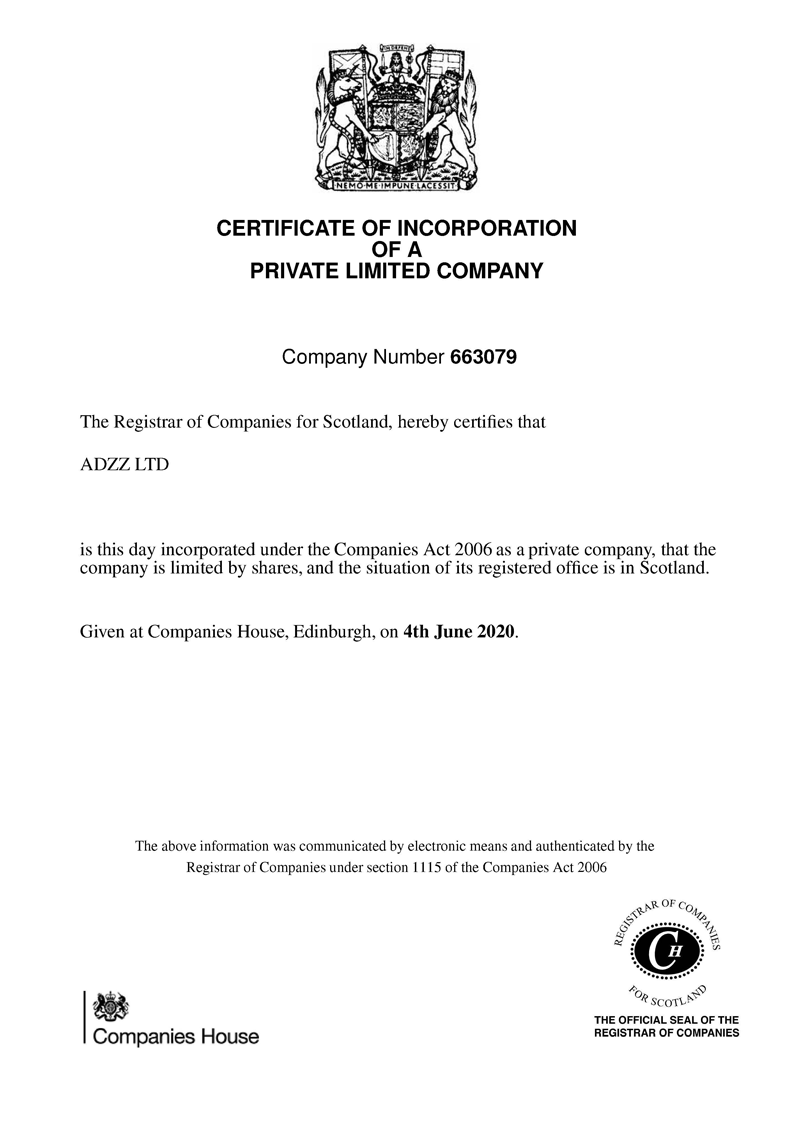
Buy Now If you need to appoint and register a new director for your Scottish limited company quickly and professionally, Coddan offers a compliant, end-to-end solution. Our ClearPath Solution pack is designed to deliver speed, accuracy, and legal certainty—often completing director appointments within 24 hours, subject to statutory requirements and processing by Companies House. Appointing a director requires more than submitting a form. The appointment must comply with the Companies Act 2006 and your company’s Articles of Association before filing Form AP01. Our experienced company secretarial team ensures that board or shareholder approvals are properly prepared, statutory registers are updated, and the filing is submitted accurately and within the 14-day deadline.

Unlike basic filing services, our comprehensive package includes a complete set of professionally prepared corporate documents to support the appointment. This structured approach protects your company from invalid resolutions, rejected filings, or governance gaps. With over 20 years of corporate and secretarial experience, we provide tailored document solutions backed by regulatory precision and attention to detail. There is no need to navigate Companies House procedures alone. Choose the ClearPath Solution for a fast, compliant, and professionally managed director appointment—delivering confidence, efficiency, and peace of mind for your Scottish company.


£75.00
+VAT

“AppointWise Solution”

Recommended for

3
package

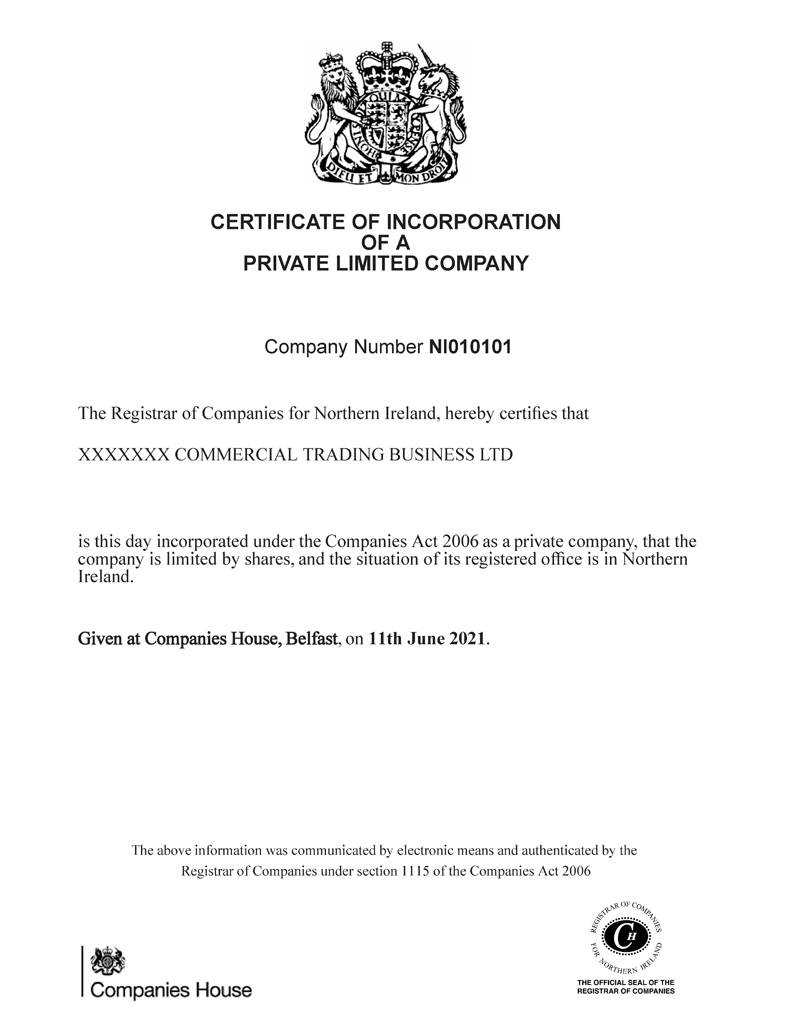
Buy Now If your company is registered in Northern Ireland and you need to appoint a new director remotely, Coddan CPM provides a fast, compliant, and professionally managed solution. We go beyond simply completing and filing Form AP01—we ensure the entire appointment process is legally valid and fully aligned with UK company law. Director appointments must comply with the Companies Act 2006 and your company’s Articles of Association before notification to UK Companies House. Filing AP01 is only a notification of an appointment that has already taken place correctly. Our experienced corporate secretarial specialists ensure that board approvals are properly documented, statutory registers are updated, and all required legal procedures are completed before submission.

We prepare and file the statutory form, draft board minutes or written resolutions where required, and ensure that your internal records match the public register. This structured approach reduces the risk of rejected filings, governance issues, or compliance gaps. Our service is particularly valuable for directors who want more than a basic filing solution. We deliver a complete, professionally prepared documentation pack, saving you time while ensuring regulatory accuracy. With Coddan CPM, appointing a director in Northern Ireland becomes straightforward, efficient, and fully compliant—allowing you to focus on running your business with confidence.


£75.00
+VAT

“Compliance Direct”

Recommended for

4
package

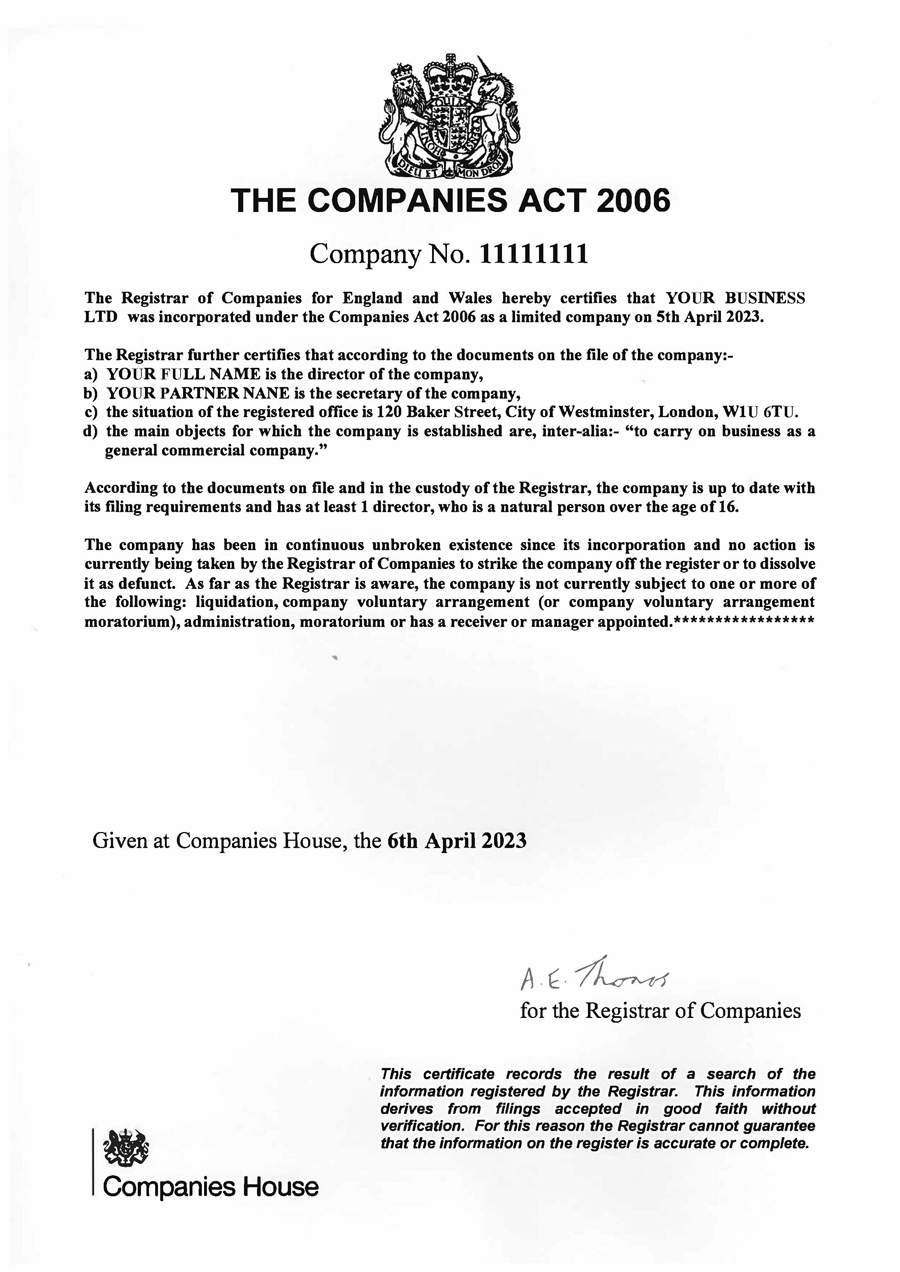
Buy Now If your London-incorporated limited company needs to appoint or add Key Managerial Personnel, Coddan provides a comprehensive, legally compliant solution. Our all-inclusive service is designed not only to register a new director but also to ensure you fully understand the legal implications of the appointment. Director appointments are governed by the Companies Act 2006 and your company’s Articles of Association. Filing Form AP01 with Companies House is a statutory notification of an appointment that must already be validly approved. Regardless of who files the form, company directors remain legally responsible for ensuring compliance and accuracy.

Our structured service ensures the appointment is properly authorised before submission. We prepare board minutes or written resolutions where required, update statutory registers, and deliver a complete corporate document pack supporting the appointment. This approach reduces the risk of rejected filings, invalid resolutions, or governance issues. You do not need to be a legal expert to manage your company—but director changes require precision. Our bundle is ideal for business owners who prefer professional oversight rather than navigating corporate law alone. Strengthen your London limited company with a properly documented and compliant director appointment—handled efficiently, accurately, and with full legal certainty.


Executive Director Appointment in the UK (2026) – ECCTA Rules and Companies House Requirements

In 2026, an Executive Director is a director who is also an employee involved in the day-to-day management of the company, such as a CEO, CFO, Managing Director, or Operations Director. While all directors have the same legal duties under the Companies Act 2006, the appointment process for executive directors is now heavily regulated under the Economic Crime and Corporate Transparency Act (ECCTA) and Companies House identity verification rules.


1. Identity Verification (IDV) – The Pre-Appointment Requirement

As of 2026, a person cannot be appointed or act as a director until they complete Companies House Identity Verification (IDV). :

Key points:

  • The individual must verify their identity using the GOV.UK ID Check app or through an Authorised Corporate Service Provider (ACSP).
  • After verification, the individual receives a Companies House Personal Code (11 characters).
  • This Personal Code is required when submitting Form AP01 for director appointment.
  • It is a criminal offence to act as a director before identity verification is completed and the appointment is filed.

This applies to both executive directors and non-executive directors.


2. Executive Director Appointment Process – Step-by-Step

Step 1 – Check Eligibility

Before appointing a director, confirm that the individual:

  • Is at least 16 years old
  • Is not disqualified from acting as a director
  • Has completed identity verification and obtained a Personal Code

In 2026, the Companies House system automatically checks disqualified directors during the appointment process.

Step 2 – Board or Shareholder Approval

Check the company’s articles of association:

  • Under Model Articles, directors can usually appoint another director by board resolution.
  • Some companies require a shareholder ordinary resolution.

Step 3 – Director’s Service Agreement (Employment Contract)

Because an Executive Director is also an employee, the company must issue a Director’s Service Agreement. :

Important legal rule:

If the service contract is for a fixed term longer than 2 years, it must be approved by shareholders under Section 188 of the Companies Act 2006.

Step 4 – File Form AP01 (Director Appointment)

The company must file Form AP01 with Companies House.

The form must include:

  • Director’s full name
  • Date of birth
  • Nationality
  • Occupation
  • Service address (public)
  • Residential address (private)
  • Companies House Personal Code
  • Confirmation of identity verification
  • Confirmation the director consents to act

Step 5 – Companies House Central Register Update

Since November 2025, Companies House operates as the central register of directors, and private companies are no longer required to maintain internal registers of directors.

Once the AP01 is approved, the director is officially appointed on the public register.

Step 6 – Update Banks and Business Platforms

For an Executive Director, this step is essential. The new director may need to be added as:

  • Bank account signatory
  • HMRC authorised contact
  • VAT contact
  • Payroll contact
  • Platform legal representative (Amazon, Stripe, PayPal, TikTok Shop, etc.)


3. Executive Director vs Non-Executive Director (UK)

Feature Executive Director Non-Executive Director
Role Day-to-day management Independent oversight
Employment status Employee Not usually an employee
Pay Salary via PAYE Director fee
Contract Service Agreement Letter of Appointment
Companies House Filing AP01 + IDV AP01 + IDV
Legal duties Same under CA 2006 Same under CA 2006

All directors, whether executive or non-executive, have the same legal duties under the Companies Act 2006.


4. Important 2026 Warning – The “Acting Before Appointment” Trap

Many companies believe a director is appointed once the board resolution is signed. Under the 2026 ECCTA rules, this is not enough.

A director must not:

  • Sign contracts
  • Hire or dismiss employees
  • Open bank accounts
  • Act as a company director

Until:

  1. Identity verification is completed
  2. Form AP01 is filed
  3. The appointment is accepted by Companies House

Acting as a director before this process is complete can result in:

  • Criminal penalties
  • Unlimited fines
  • Contracts being challenged
  • Director disqualification risk


Summary – Executive Director Appointment UK (2026)

To appoint an Executive Director in the UK in 2026, the company must complete identity verification, obtain a Companies House Personal Code, approve the appointment by board or shareholder resolution, issue a Director’s Service Agreement, and file Form AP01 with Companies House. The director must not act until the appointment is officially registered.


Coddan simplifies executive director appointments and Companies House filings. We ensure compliance and provide ongoing support for your corporate needs

Takeaway – Coddan Professional Filing Services.

Coddan assists with executive director appointments and Companies House filings.
We help directors complete identity verification and obtain Personal Codes.
Our team prepares board resolutions and director service agreements.
We file AP01 and update Companies House records. Coddan offers expert assistance with director appointments and Companies House filings. Rely on us for compliance, identity verification, and corporate support
Coddan ensures compliance with ECCTA and Companies Act requirements.
We provide ongoing corporate secretarial and compliance support.


Non-Executive Director Appointment in the UK (2026 Guide)

Appointing a Non-Executive Director (NED) in a UK private limited company is a formal legal process governed by the Companies Act 2006 and the Economic Crime and Corporate Transparency Act (ECCTA). While a Non-Executive Director is not involved in the day-to-day management of the company, they still hold the same legal duties and responsibilities as any other company director.

In 2026, the appointment process includes mandatory identity verification, Companies House filing requirements, and formal appointment documentation.


What Is a Non-Executive Director?

A Non-Executive Director (NED) is a member of the board who provides independent oversight, strategic advice, and corporate governance supervision, but is not an employee and is not involved in daily operations.

Non-Executive Directors are commonly appointed to:

  • Provide independent oversight
  • Improve corporate governance
  • Represent investors or shareholders
  • Provide industry expertise
  • Sit on advisory boards
  • Chair board meetings or committees

Even though they are not involved in daily management, Non-Executive Directors have the same legal duties under the Companies Act 2006 as executive directors.


Non-Executive Director Appointment Process (2026)

Step 1 – Identity Verification (Mandatory)

Before a Non-Executive Director can be appointed, they must complete Companies House Identity Verification (IDV).

This is done via:

  • GOV.UK ID Check app, or
  • An Authorised Corporate Service Provider (ACSP)

After verification, the individual receives a Companies House Personal Code, which is required for the appointment filing.

Important: It is a criminal offence to act as a director before identity verification is completed.


Step 2 – Board or Shareholder Approval

The company must approve the appointment according to its articles of association:

  • Model Articles – Directors can usually appoint a new director by board resolution.
  • Bespoke Articles – May require shareholder approval (ordinary resolution).

The decision must be recorded in board minutes or a written resolution.


Step 3 – Letter of Appointment (Not Employment Contract)

A Non-Executive Director is not an employee, so they do not receive a service agreement. Instead, they receive a Letter of Appointment, which sets out:

  • Role and responsibilities
  • Time commitment
  • Director fees
  • Term of appointment
  • Duties and confidentiality
  • Conflict of interest rules


Step 4 – File Form AP01 at Companies House

The company must file Form AP01 to appoint the Non-Executive Director.

The filing must include:

  • Full name
  • Date of birth
  • Nationality
  • Occupation
  • Service address (public)
  • Residential address (private)
  • Companies House Personal Code
  • Consent to act as director
  • Confirmation of identity verification

The appointment must be filed within 14 days.


Step 5 – Companies House Central Register Update

Since November 2025, Companies House maintains the central register of directors, and companies no longer need to maintain internal registers of directors.

Once AP01 is approved, the Non-Executive Director is officially appointed.


Non-Executive vs Executive Director – Key Differences

Feature Executive Director Non-Executive Director
Role Day-to-day management Oversight and strategy
Employment status Employee Not an employee
Contract Service Agreement Letter of Appointment
Salary PAYE salary Director fee
Involved in operations Yes No
Legal duties Same Same
Identity verification Required Required
Companies House filing AP01 AP01


Legal Duties of a Non-Executive Director

A Non-Executive Director must comply with the same seven legal duties under the Companies Act 2006 (Sections 171–177), including:

  • Act within powers
  • Promote the success of the company
  • Exercise independent judgment
  • Exercise reasonable care, skill, and diligence
  • Avoid conflicts of interest
  • Not accept benefits from third parties
  • Declare interests in transactions

Even though they are “non-executive”, they can still be personally liable if these duties are breached.


Important 2026 Warning – Acting Before Appointment Is Approved

In 2026, under ECCTA rules, a Non-Executive Director must not act as a director until:

  1. Identity verification is completed
  2. Form AP01 is submitted
  3. Companies House accepts the appointment

This means a Non-Executive Director must not:

  • Vote at board meetings
  • Sign board resolutions
  • Act as a director in contracts
  • Represent themselves as a director

Until the appointment is officially registered.


Summary – Non-Executive Director Appointment UK (2026)

To appoint a Non-Executive Director in the UK, the company must complete identity verification, approve the appointment by board or shareholder resolution, issue a Letter of Appointment, and file Form AP01 with Companies House within 14 days. The director must not act until the appointment is officially registered.


Coddan specializes in Non-Executive Director appointments in the UK, ensuring compliance and providing ongoing support for corporate governance and identity verification

Takeaway – Coddan Professional Filing Services.

Coddan assists with Non-Executive Director appointments in the UK.
We help directors complete identity verification and obtain Personal Codes.
Our team prepares board resolutions and Letters of Appointment.
We file AP01 and update Companies House records. Coddan offers expert assistance for Non-Executive Director appointments in the UK, including identity verification, compliance support, and Companies House filings.
Coddan ensures compliance with ECCTA and Companies Act requirements.
We provide ongoing corporate secretarial and expert compliance support.


Executive vs Non-Executive Director Appointment UK (2026 Guide)

Understanding the difference between an Executive Director and a Non-Executive Director is important when appointing directors in a UK private limited company. While both roles have the same legal duties under the Companies Act 2006, the appointment process, employment status, and responsibilities are different, especially under the 2026 Companies House identity verification (IDV) rules introduced by the Economic Crime and Corporate Transparency Act (ECCTA).


What Is an Executive Director?

An Executive Director is a director who is also an employee of the company and is involved in the day-to-day management of the business. Common executive roles include:

  • Managing Director
  • Chief Executive Officer (CEO)
  • Finance Director (CFO)
  • Operations Director

Executive directors are usually paid a salary through PAYE and must have a Director’s Service Agreement (employment contract).


What Is a Non-Executive Director?

A Non-Executive Director (NED) is not involved in daily operations. Their role is to provide independent oversight, strategic advice, and corporate governance supervision.

Non-Executive Directors are usually:

  • Independent board members
  • Investor representatives
  • Advisors or industry experts
  • Board chairpersons

They are typically paid a director’s fee, not a salary, and receive a Letter of Appointment, not an employment contract.


Executive vs Non-Executive Director – Key Differences

Feature Executive Director Non-Executive Director
Role Day-to-day management Oversight and strategy
Employment status Employee Not an employee
Contract Service Agreement Letter of Appointment
Salary PAYE salary Director fee
Involved in operations Yes No
Legal duties Same Same
Identity verification Required Required
Companies House filing AP01 AP01

Both types of directors have the same legal responsibilities and duties under the Companies Act 2006 (Sections 171–177).


Appointment Process (2026) – Executive vs Non-Executive Director

The appointment process is now regulated by Companies House identity verification rules.

Step-by-Step Appointment Process

  1. Complete Identity Verification (IDV)
    The director must verify their identity and obtain a Companies House Personal Code.
  2. Check Articles of Association
    Directors may be appointed by:
    • Board resolution (Model Articles), or
    • Shareholder resolution (some companies)
  3. Prepare Appointment Documents
    • Executive Director → Service Agreement
    • Non-Executive Director → Letter of Appointment
  4. File Form AP01
    Submit the appointment to Companies House within 14 days.
  5. Appointment Becomes Official
    The director can only act once the appointment is accepted and registered at Companies House.

Important 2026 Legal Warning – Acting Before Registration

Under the 2026 ECCTA rules, a director must not act as a director until:

  • Identity verification is completed
  • Form AP01 is filed
  • Companies House registers the appointment

This means the new director must not:

  • Sign contracts
  • Act for the company
  • Make executive decisions
  • Represent themselves as a director

Doing so may result in criminal penalties and fines.


When to Appoint an Executive vs Non-Executive Director

Situation Director Type
Running daily business Executive Director
Strategic advice Non-Executive Director
Investor representative Non-Executive Director
Managing staff Executive Director
Scaling company Both

Many UK companies use a combination of executive and non-executive directors to balance management and oversight.


Summary

  • Executive Directors manage the business and are employees.
  • Non-Executive Directors provide oversight and are not employees.
  • Both must complete identity verification before appointment.
  • Both are appointed using Form AP01.
  • Both have the same legal duties under the Companies Act 2006.
  • Directors must not act until Companies House approves the appointment.


Coddan specializes in Executive and Non-Executive Director appointments, ensuring compliance with Companies House and providing ongoing corporate support

Takeaway – Coddan Professional Filing Services.

Coddan assists with both Executive and Non-Executive Director appointments.
We help directors complete Companies House identity verification.
Our team prepares Service Agreements and Letters of Appointment.
We file AP01 and update Companies House records.
Coddan ensures compliance with ECCTA and Companies Act requirements.
We provide ongoing corporate secretarial and compliance support.


Director Service Address vs Residential Address – What You Must File at Companies House (2026)

When appointing a company director in the UK, you must provide both a service address and a residential address to Companies House. These two addresses serve different legal purposes, and understanding the difference is important for privacy, compliance, and Companies House filings, especially under the 2026 ECCTA identity verification rules.

Many directors — particularly non-resident directors and overseas business owners — choose to use a service address to keep their home address private.


What Is a Director’s Service Address?

A service address is the official correspondence address for a director. This is the address where Companies House, HMRC, and official government bodies send correspondence.

Key points:

  • The service address appears on the public Companies House register
  • It does not have to be the director’s home address
  • It can be:
    • Registered office address
    • Business address
    • Accountant’s address
    • Corporate service provider address

This is why many directors use a registered office or service address service to protect their privacy.


What Is a Director’s Residential Address?

A residential address is the director’s home address. This address is required by Companies House for identity and verification purposes.

Key points:

  • The residential address is not shown on the public register
  • It is only visible to:
    • Companies House
    • HMRC
    • Credit reference agencies
    • Law enforcement (if required)
  • This address is used for identity verification and legal records

Under the Economic Crime and Corporate Transparency Act (ECCTA), this address is linked to the director’s identity verification (IDV).


Service Address vs Residential Address – Key Differences

Feature Service Address Residential Address
Public record Yes No
Visible at Companies House Yes No
Used for official mail Yes No
Used for identity verification No Yes
Must be a home address No Yes
Can be changed Yes Yes
Privacy protection Yes No


What Address Must Be Filed When Appointing a Director?

When filing Form AP01 (Director Appointment), you must provide:

  • Full name
  • Date of birth
  • Nationality
  • Occupation
  • Service address (public)
  • Residential address (private)
  • Identity verification confirmation
  • Companies House Personal Code

If the residential address is missing or incorrect, Companies House will reject the appointment.


Can You Use the Same Address for Both?

Yes, but it is not recommended if you want to protect your privacy. If you use the same address for both:

  • Your home address will appear on the public Companies House register
  • Your address becomes visible online

Most directors choose to use a separate service address to keep their residential address private.


Changing a Director’s Address

If a director changes their address, the company must notify Companies House using Form CH01 (Change of Director Details) within 14 days.

You must file CH01 if you change:

  • Service address
  • Residential address
  • Director name
  • Nationality
  • Occupation

Failure to update Companies House can result in penalties and incorrect public records.


Privacy and Compliance in 2026

Under the 2026 Companies House and ECCTA rules, director identity verification is linked to:

  • Residential address
  • Date of birth
  • Personal identity documents

This means the residential address must be accurate and match identity verification records, while the service address is used for public correspondence.

For non-resident directors, using a UK service address is common and helps ensure Companies House and HMRC correspondence is received and managed properly.


Summary

  • Directors must provide both a service address and a residential address
  • The service address is public
  • The residential address is private
  • Both addresses must be filed with Companies House
  • Address changes must be reported using Form CH01 within 14 days
  • Using a service address helps protect your home address privacy


Protect your privacy with Coddan's director and registered office address services. We ensure compliance with Companies House and provide ongoing support

Takeaway – Coddan Professional Filing Services.

Coddan provides director service address and registered office address services.
We help file director address details with Companies House.
Our team prepares and submits Form AP01 and CH01.
We help protect your residential address privacy. Secure your residential address with Coddan's expert services. We handle all filings with Companies House and provide comprehensive company secretarial support.
Coddan ensures compliance with Companies House and ECCTA rules.
We provide ongoing company secretarial support and compliance services.


Companies House Personal Code – Identity Verification Guide for Directors (2026)

From 2026, all company directors, People with Significant Control (PSCs), and company secretaries must complete identity verification with Companies House under the Economic Crime and Corporate Transparency Act (ECCTA). Once identity verification is completed, the individual receives a Companies House Personal Code, which is required for director appointments, PSC registrations, and company filings.

This guide explains what the Companies House Personal Code is, how to get it, and why it is important for UK company compliance.


What Is a Companies House Personal Code?

A Companies House Personal Code is a unique 11-character code issued to an individual after they complete identity verification (IDV). The code is used to confirm that the person is a verified individual and is authorised to act as:

  • Company director
  • Person with Significant Control (PSC)
  • Company secretary
  • Authorised filer

The Personal Code links the individual’s identity to Companies House records and helps prevent fraudulent company appointments.


Who Needs a Companies House Personal Code?

You need a Companies House Personal Code if you are:

  • A company director
  • A Non-Executive Director
  • An Executive Director
  • A Person with Significant Control (PSC)
  • A company secretary
  • A person filing on behalf of a company via an ACSP

Without identity verification and a Personal Code, you cannot be appointed and cannot act in these roles.


How to Get a Companies House Personal Code

Step-by-Step Identity Verification Process

Step 1 – Prepare ID Documents

You will need one of the following:

  • Passport
  • UK driving licence
  • Biometric residence permit
  • National identity card

Step 2 – Verify Your Identity

You can verify your identity using:

  • GOV.UK ID Check app, or
  • Through an Authorised Corporate Service Provider (ACSP)

Step 3 – Receive Your Personal Code

Once your identity is verified, Companies House issues your Personal Code. This code is permanent and used for all future Companies House filings.


When Is the Personal Code Required?

The Companies House Personal Code must be provided when:

Filing Form
Appoint director AP01
Appoint a corporate director AP02
Register PSC PSC01
Change director details CH01
File confirmation statement CS01
Incorporate a company IN01

If the Personal Code is missing or incorrect, Companies House will reject the filing.


Important 2026 Legal Warning

Under the ECCTA rules, it is a criminal offence to:

  • Act as a director without identity verification
  • Be listed as a PSC without identity verification
  • Submit filings using false identity information

Penalties may include:

  • Fines
  • Director disqualification
  • Criminal prosecution


Personal Code vs Authentication Code

Many people confuse the Companies House Personal Code with the Companies House Authentication Code.

Code Used For Who Uses It
Personal Code Identity verification Individual director/PSC
Authentication Code Filing company forms Company

Both codes are important but serve different purposes.


Summary

The Companies House Personal Code is now a mandatory part of UK company compliance. All directors and PSCs must complete identity verification and obtain a Personal Code before they can be appointed or act in their role. The Personal Code must be included when filing AP01, PSC01, and other Companies House forms, and failure to comply can result in penalties or criminal liability.


Ensure compliance with Companies House regulations. Coddan assists directors and PSCs with identity verification and filing essential forms efficiently

Takeaway – Coddan Professional Filing Services.

Coddan helps directors and PSCs complete Companies House identity verification.
We assist clients in obtaining their Companies House Personal Code.
Our team files AP01, PSC01, and other Companies House forms.
We ensure all filings meet ECCTA identity verification requirements.
Coddan provides corporate secretarial and compliance services.
We help UK and overseas clients stay compliant with Companies House rules.


Non-Executive Director Appointment in the UK (2026) – ECCTA, Tax and Compliance Guide

In 2026, appointing a Non-Executive Director (NED) is a strategic decision for UK private companies seeking independent oversight, specialist expertise, investment readiness, and stronger corporate governance. While the legal appointment process for a Non-Executive Director is similar to that of an Executive Director, the contractual structure, tax treatment, and role responsibilities are significantly different.

Under the Economic Crime and Corporate Transparency Act (ECCTA), all director appointments must follow the “Verification-First” rule, meaning identity verification must be completed before the appointment can be filed or the director can legally act.


1. The Pre-Appointment Rule – Identity Verification (IDV)

As of 2026, a Non-Executive Director cannot be appointed until they complete Companies House identity verification.

The Personal Code

The individual must obtain an 11-character Companies House Personal Code using:

  • The GOV.UK ID Check app, or
  • An Authorised Corporate Service Provider (ACSP)

The Filing Requirement

You cannot submit Form AP01 without the Personal Code. If the individual acts as a director before identity verification is completed, this may result in criminal penalties for both the individual and the company.

This is known as the Verification-First rule.


2. Non-Executive Director Appointment Workflow (2026)

Step 1 – Pass a Board or Shareholder Resolution

Check the company’s Articles of Association:

  • Model Articles – The board can usually appoint a Non-Executive Director by board resolution.
  • Some companies require a shareholder ordinary resolution.

The appointment must be recorded in board minutes.


Step 2 – Issue a Letter of Appointment

A Non-Executive Director is not an employee, so they receive a Letter of Appointment, not an employment contract.

The Letter of Appointment should include:

  • Time commitment (e.g., 1–2 days per month)
  • Term of office (often 3 years, renewable)
  • Director fee
  • Duties and responsibilities
  • Confidentiality obligations
  • Conflict of interest provisions
  • Independent oversight role


Step 3 – File Form AP01

The company must notify Companies House using Form AP01 within 14 days of the appointment.

Important notes:

  • The public register will show the title simply as “Director” (there is no official “Non-Executive Director” title at Companies House).
  • Most Non-Executive Directors use the Registered Office Address as their Service Address to protect their home address privacy.


Step 4 – Companies House Central Register

Since November 2025, Companies House acts as the central register of directors, and private companies are no longer required to maintain internal registers of directors.

Once the AP01 filing is accepted, the appointment is legally recorded.


Step 5 – Tax and IR35 Considerations (Important in 2026)

HMRC treats Non-Executive Director fees differently from consultancy work.

General rule:

  • Fees paid to a Non-Executive Director for their role as a director are usually subject to:
    • PAYE
    • Class 1 National Insurance

Common mistake:

Paying a Non-Executive Director through their personal limited company without an IR35 assessment. HMRC often considers the “Office of Director” to be an office holder role, which is usually taxed via PAYE, not invoices.


Step 6 – Insurance and Platform Updates

After appointment:

  • Update Directors & Officers (D&O) Insurance to include the new Non-Executive Director.
  • You usually do not need to add a NED as a bank signatory or platform legal representative unless they are actively involved in operations.


3. Executive Director vs Non-Executive Director (2026)

Feature Executive Director Non-Executive Director
Legal Duties Same (Companies Act 2006) Same (Companies Act 2006)
Contract Service Agreement Letter of Appointment
HMRC Status Employee Office Holder
Tax PAYE Usually PAYE
Role Day-to-day management Independent oversight
Time commitment Full-time Part-time
Identity Verification Required Required


4. Why Companies Appoint Non-Executive Directors in 2026

Many UK companies appoint Non-Executive Directors for strategic reasons:

Investment Readiness – Venture capital and angel investors often require a Non-Executive Director on the board.

Skill Gaps – Companies appoint NEDs with expertise in:

  • AI and technology
  • Finance
  • Legal and compliance
  • E-commerce
  • International expansion

Bank Lending – Banks are more likely to approve business loans if the company has an experienced and independent board member.

Corporate Governance – A Non-Executive Director improves board oversight and governance, reducing risk.


Summary – Non-Executive Director Appointment UK (2026)

To appoint a Non-Executive Director in the UK, the company must complete identity verification, obtain a Companies House Personal Code, approve the appointment by board or shareholder resolution, issue a Letter of Appointment, file Form AP01 within 14 days, and ensure correct PAYE tax treatment for director fees.

Non-Executive Directors have the same legal duties and liabilities as Executive Directors under the Companies Act 2006, even though they are not involved in daily management.


Coddan simplifies Non-Executive Director appointments, identity verification, and compliance. Trust us for board resolutions, PAYE advice, and ongoing support

Takeaway – Coddan Professional Filing Services.

Coddan assists with Non-Executive Director appointments and Companies House filings.
We help directors complete identity verification and obtain Personal Codes.
Our team prepares board resolutions and Letters of Appointment.
We advise on PAYE and IR35 tax treatment for Non-Executive Director fees.
Coddan ensures compliance with ECCTA, Companies House, and HMRC rules.
We provide ongoing corporate secretarial and compliance support.


Legally Appoint an Executive or Non-Executive Director – Private Company Limited by Shares

Appointing an Executive Director or Non-Executive Director is an important step in strengthening corporate governance, improving strategic decision-making, and ensuring compliance for a private company limited by shares. Whether you are expanding your management team, bringing in external expertise, or restructuring your company leadership, the appointment must be properly filed and recorded with Companies House.

Coddan provides professional support to help companies appoint executive and non-executive directors quickly, compliantly, and in accordance with UK company law and ECCTA identity verification requirements.


Executive vs Non-Executive Directors – What’s the Difference?

Executive Director
An executive director is involved in the day-to-day management of the company and operational decision-making.

Non-Executive Director
A non-executive director is not involved in daily operations but provides independent oversight, strategic guidance, and governance support.

Both roles carry the same legal responsibilities under the Companies Act.

If these appointments are part of a wider leadership restructure or ownership change, it is important to understand the broader framework of
Change of Control and Corporate Restructuring, where director appointments often occur alongside ownership and governance changes.


When Should You Appoint an Executive or Non-Executive Director?

Companies typically appoint additional directors when:

  • Expanding the business
  • Bringing in investors or partners
  • Improving corporate governance
  • Preparing for investment or sale
  • Entering the UK market
  • Replacing an existing director
  • Strengthening leadership and compliance

If you need a UK-based director for operational or compliance purposes:
Assign a Local Director for the UK for the Businesses of eBay, Amazon, TikTok, and Etsy

If you are appointing a UK resident director through a regulated provider:
How to Appoint a UK Resident Director Effectively via ACSP Provider

To understand the advantages for overseas business owners:
How UK Resident Director Services Benefit Non-Residents


Legal Requirements for Director Appointment

To appoint a new director, the company must:

  1. Obtain the director’s consent to act
  2. Complete identity verification:
    ECCTA 2026 ID Verification Service
  3. File the appointment with Companies House:
    Why Choose Coddan for Electronically Filing Form AP01?
  4. Update company statutory registers

If appointing a corporate entity as a director instead of an individual:
Steps to Appoint a Corporate Director in the UK Using Form AP02

If replacing an existing director:
How to Simplify Director Removal (Form TM01) for Your Business

You can also read a full guide here:
Step-by-Step Guide: How to Appoint a Dedicated Director in the UK
Step-by-Step Guide to Becoming Appointed as a Company Director

To understand director responsibilities and governance:
How to Strengthen Leadership Through Director Duties


Director Appointments and Company Ownership Changes

Director appointments often occur alongside ownership restructuring or investment. This may involve additional filings such as:


These filings are commonly part of corporate restructuring and governance changes.


Why Choose Coddan for Director Appointment Services?

  • ✔ Executive and Non-Executive Director Appointments
    We handle the full appointment process.
  • ✔ ECCTA Identity Verification
    We ensure directors meet identity verification requirements.
  • ✔ Companies House Filing
    We submit AP01, AP02, and TM01 forms.
  • ✔ Corporate Governance Support
    We help companies strengthen leadership and compliance.
  • ✔ Support for UK and Non-Resident Business Owners
    We specialise in helping overseas entrepreneurs manage UK companies.


Appoint Your Executive or Non-Executive Director Today

Ensure your director appointment is completed correctly, compliantly, and without delays.

  • ✔ Director appointment filing
  • ✔ Identity verification
  • ✔ Full compliance support

Contact Coddan today to appoint an executive or non-executive director for your company.