We use cookies on this website, you can read about cookies and GDPR Privacy Policy here
Coddan CPM Ltd. – Company Registration Agent in the UK

Discover how to choose the right nominee director packages that align corporate governance with economic substance principles for your business success.

Step 1
Assess Your Local Substance Requirements
Step 2
Define the Scope of Authority
Step 3
Implement Robust Legal Safeguards
Step 4
Verify AML/KYC and Transparency Protocols
Step 5
Establish Clear Board Procedures
Step 6
Review Indemnity and Insurance Cover
Companies Registry's e-Services Portal Business Services Packages Fixed-Fee Bundles for Local Company Director Services in the UK Choosing Nominee Director Packages: Aligning Corporate Governance with Economic Substance Principles

Choosing Nominee Director Packages: Aligning Corporate Governance with Economic Substance Principles


We assist both residents and non-residents with the registration of UK limited companies. Our offerings encompass managing the new identity verification process mandated by Companies House for all directors. We provide a comprehensive service from beginning to end, with real people on hand to help—no more £1 forms and unresponsive email accounts. Although there are free or £1 options for company formations and bank account setups, these providers frequently lack the credentials of a legitimate and authorized formation agent and ACSP agency. Since 2005, we have been dedicated to serving our clients, are well-versed in addressing non-resident edge cases, and remain accountable even after your payment has been processed.


Fast selling packages. FREE delivery Monday, June 8th 2026. 36 orders are in the queue. The last order was sent 04h 01m ago.

Establish a genuine UK presence with Coddan CPM's Resident Director Service. Fast onboarding, compliance support, and a flat fee of £1,550 await you!

Need a UK presence? Coddan CPM offers a swift Resident Director Service for overseas businesses, ensuring compliance and support for just £1,550 annually.
£1550.00

“UK Business Anchor”

Recommended for

1
package

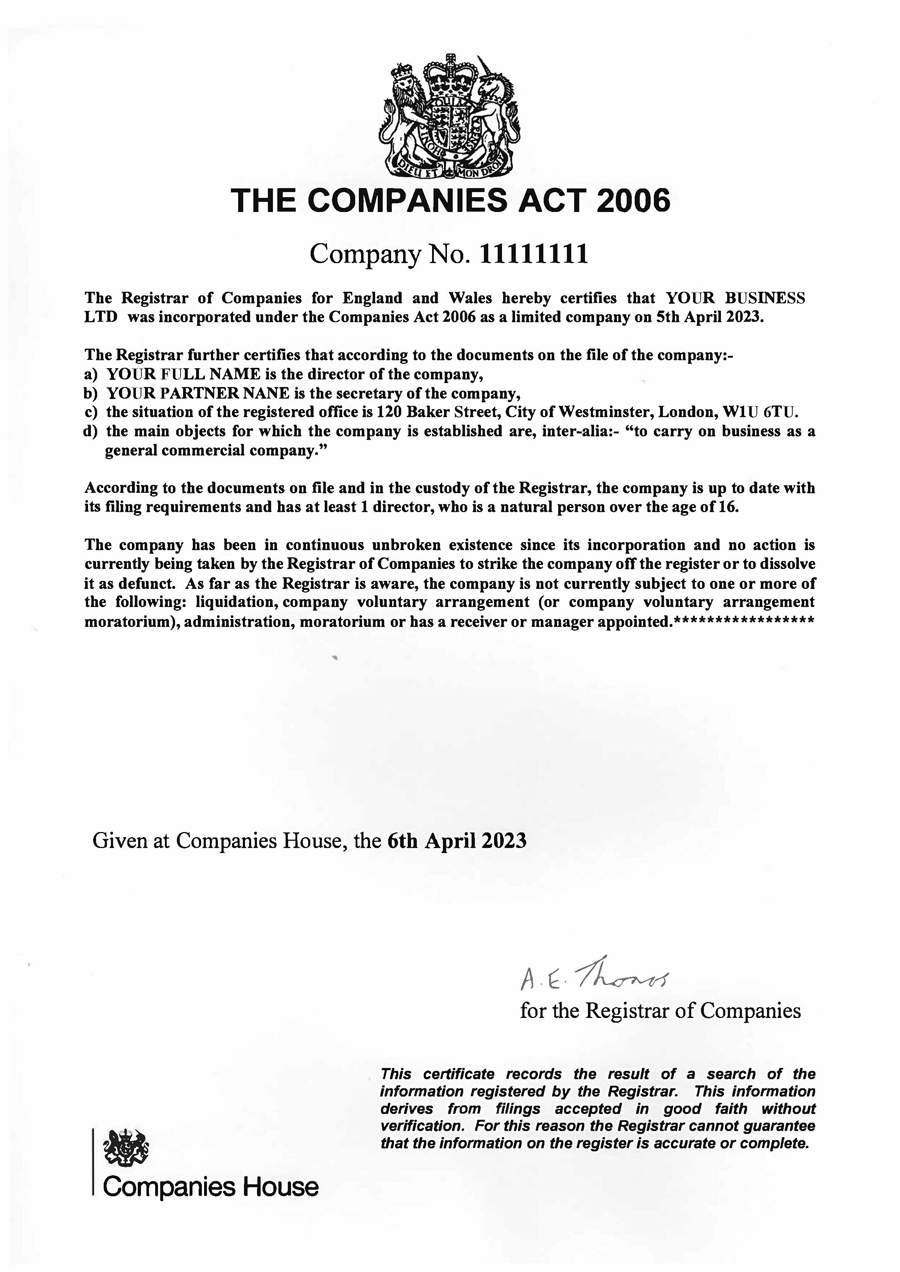
Buy Now UK Resident Director Service – From £1,550 Per Year (ID Verification Included).
Establish a stronger UK business presence with Coddan CPM’s UK Resident Director Service. Designed for overseas entrepreneurs, international companies, e-commerce businesses, and expanding UK ventures, this professionally managed solution provides access to a UK-based resident director together with ongoing governance and compliance support. Subject to due diligence and approval procedures, a UK resident director can typically be appointed within 24 hours. While UK law does not generally require a private limited company to appoint a UK-resident director, having a director physically based in the United Kingdom may facilitate communication with Companies House, UK banks, payment providers, and commercial partners, and support a clearer operational presence. The service includes identity verification support, preparation of board resolutions and director consent documentation, statutory register updates, and electronic filing of Form AP01 with Companies House.

All appointments and filings are managed in accordance with the Companies Act 2006 and your company’s Articles of Association, helping ensure records remain accurate, organised, and compliant. For a fixed annual fee of £1,550, the package provides transparent pricing, fast onboarding, and ongoing administrative oversight. Our team helps maintain structured governance procedures and organised company records, allowing directors, shareholders, and beneficial owners to focus on business growth while retaining ownership and strategic control. Whether you are entering the UK market, launching an online business, or establishing a UK subsidiary, our UK Resident Director Service provides a practical, professionally managed framework to support compliance, operational continuity, and long-term business credibility.


£1550.00

“UK Business Anchor”

Recommended for

2
package

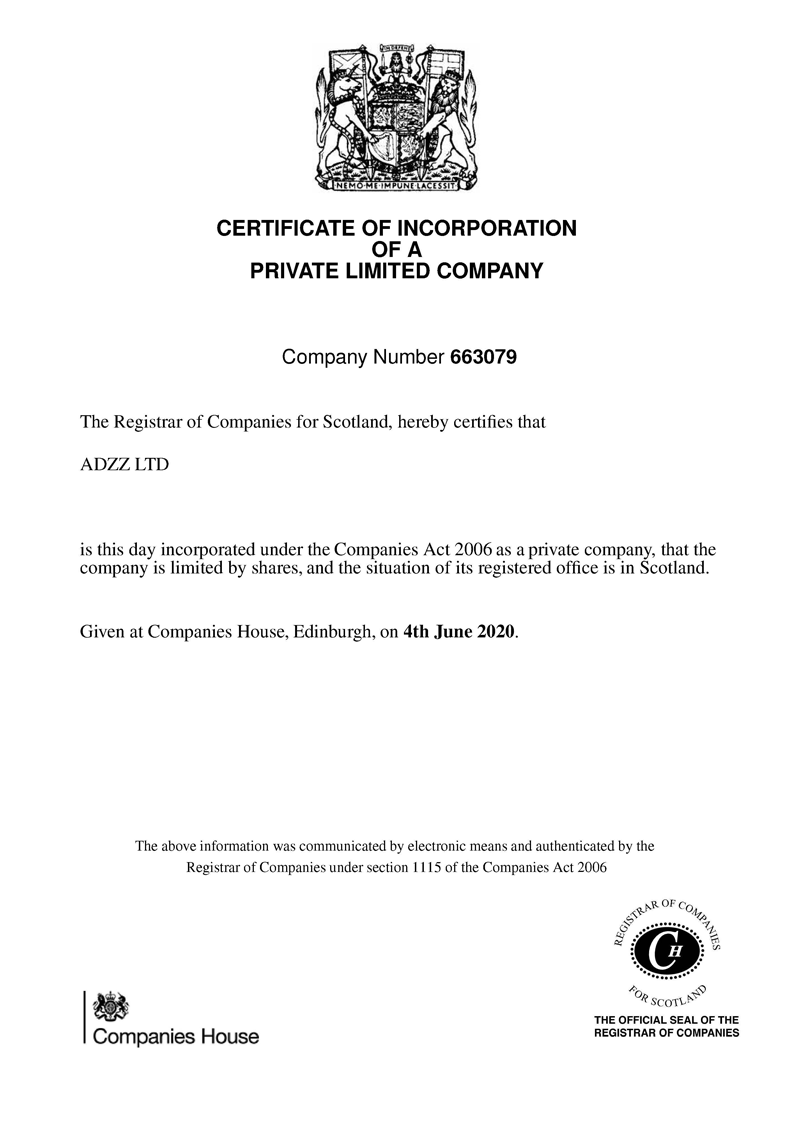
Buy Now UK-Local Resident Director Service for Scottish Companies – £1,550 Per Year.
Expand into Scotland with confidence through Coddan CPM’s UK-Local Resident Director Service. Designed for international entrepreneurs, overseas investors, e-commerce businesses, and growing companies, this professionally managed solution helps establish a stronger UK presence while supporting governance, compliance, and administrative continuity. Subject to due diligence and approval procedures, a UK-based resident director can typically be appointed within 24 hours. While Scottish companies are not generally required to appoint a UK-resident director under the Companies Act 2006, having a director physically based in the United Kingdom may assist with communication involving Companies House, UK banks, payment providers, and commercial partners, while supporting a clearer operational presence. The service includes identity verification support, preparation of board resolutions and director consent documentation, statutory register updates, and electronic filing of Form AP01.

All appointments and filings are managed in accordance with applicable UK company law and your company’s Articles of Association, helping ensure records remain accurate, organised, and compliant. For a fixed annual fee of £1,550, you benefit from transparent pricing, fast onboarding, and ongoing governance support. Our team helps maintain structured company records and administrative oversight, reducing compliance burdens and allowing you to focus on business growth. Whether you are launching a Scottish startup, establishing a UK subsidiary, or expanding an international business into Scotland, this service provides a practical and professionally managed framework for supporting operational credibility, regulatory compliance, and long-term business success.


£1550.00

“UK Business Anchor”

Recommended for

3
package

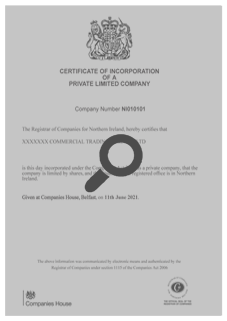
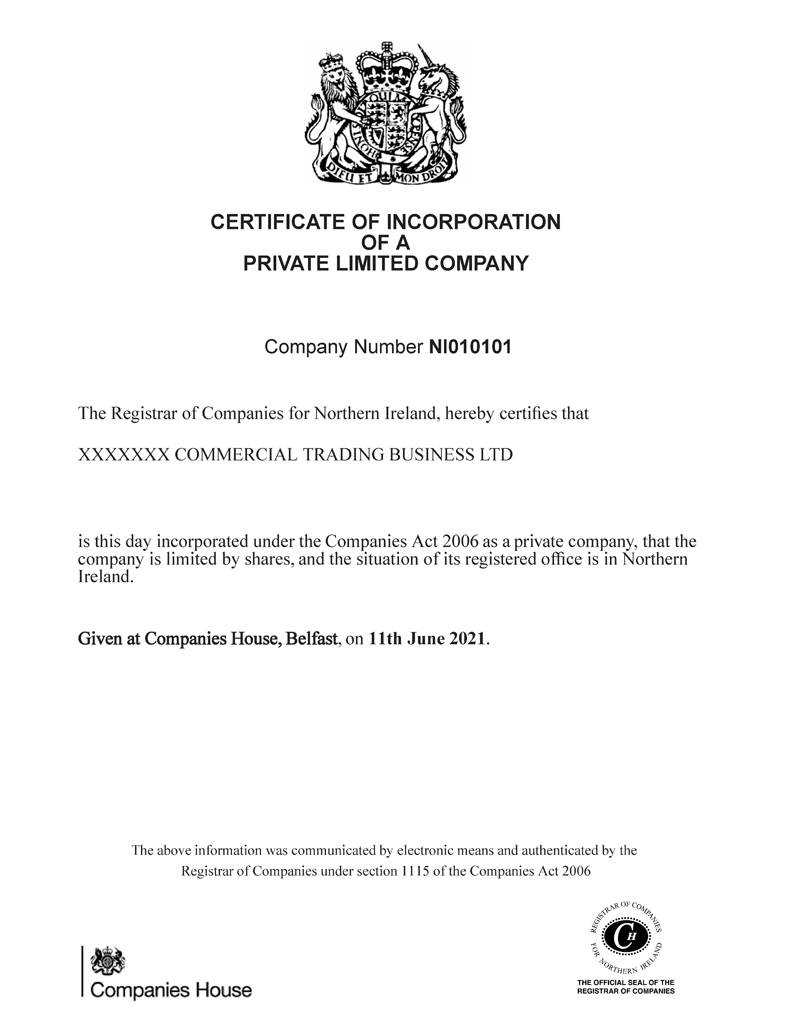
Buy Now UK-Local Resident Director Service for Northern Ireland – £1,550 Per Year.
Establish a stronger UK presence with Coddan CPM’s UK-Local Resident Director Service for companies operating in Northern Ireland. Designed for overseas entrepreneurs, international businesses, startups, and growing private companies, this professionally managed solution provides access to a UK-based resident director together with ongoing governance and compliance support. Subject to due diligence and approval procedures, a UK resident director can typically be appointed within 24 hours. While UK company law does not generally require a private limited company to appoint a UK-resident director, having a director physically based in the United Kingdom may assist with communication involving Companies House, UK banks, payment providers, and commercial partners, while supporting a clearer operational presence. The service includes identity verification support, preparation of board resolutions and director consent documentation, statutory register updates, and electronic filing of Form AP01 with Companies House.

All appointments and filings are managed in accordance with the Companies Act 2006 and your company’s Articles of Association, helping ensure records remain accurate, organised, and compliant. For a fixed annual fee of £1,550, the package provides transparent pricing, rapid onboarding, and ongoing administrative oversight. Our team supports structured governance procedures and compliance management, allowing directors, shareholders, and beneficial owners to focus on growing their business while maintaining ownership and strategic control. Whether you are entering the Northern Ireland market, establishing a UK subsidiary, or strengthening an existing company structure, our UK-Local Resident Director Service provides a practical and professionally managed framework for supporting operational continuity, regulatory compliance, and long-term business credibility.


£1550.00

“UK Business Anchor”

Recommended for

4
package

Buy Now UK-Local Resident Director Service for London Companies – £1,550 Per Year.
Establish a stronger UK business presence with Coddan CPM’s UK-Local Resident Director Service. Designed for overseas entrepreneurs, international companies, e-commerce businesses, and growing London-based ventures, this professionally managed solution provides access to a UK-based resident director together with ongoing governance and compliance support. Subject to due diligence and approval procedures, a UK resident director can typically be appointed within 24 hours. While UK private limited companies are not generally required to appoint a UK-resident director, having a director physically based in the United Kingdom may assist with communication involving Companies House, UK banks, payment providers, and commercial partners, while supporting a clearer operational presence and corporate profile. The service includes identity verification support, preparation of board resolutions and director consent documentation, statutory register updates, and electronic filing of Form AP01 with Companies House.

All appointments and filings are managed in accordance with the Companies Act 2006 and your company’s Articles of Association, helping ensure records remain accurate, organised, and compliant. For a fixed annual fee of £1,550, the package provides transparent pricing, rapid onboarding, and ongoing administrative oversight. Our team supports structured governance procedures and compliance management, helping maintain organised company records while allowing directors, shareholders, and beneficial owners to focus on business growth. Whether you are launching a new London company, expanding an international business into the UK, or strengthening an existing corporate structure, our UK-Local Resident Director Service provides a practical and professionally managed framework for supporting operational continuity, regulatory compliance, and long-term business credibility.


Launch your business in Great Britain effortlessly! Coddan CPM offers a UK Resident Director Service for £1,250/year, ensuring seamless connections and compliance.

UK Resident Director Service for Great Britain – £1,250 Per Year.
Expand into Great Britain with confidence through Coddan CPM’s professionally managed UK Resident Director Service. Designed for overseas entrepreneurs, international businesses, and growing companies, this solution provides access to a UK-based resident director together with structured governance and compliance support.
Subject to due diligence and approval procedures, a UK resident director can typically be appointed within 24 hours. While not generally required by UK company law, a UK-based director may help support communication with Companies House, banks, payment providers, and commercial partners, while strengthening your company’s operational presence and corporate profile.
For a fixed annual fee of £1,250, the service includes identity verification support, preparation of board resolutions and director consent documentation, statutory register updates, and electronic filing of Form AP01 with Companies House. All appointments and filings are administered in accordance with the Companies Act 2006 and your company’s Articles of Association.
Our team provides ongoing administrative oversight to help maintain accurate company records, organised governance procedures, and timely compliance management. Directors, shareholders, and beneficial owners retain ownership and strategic control while benefiting from professional support throughout the appointment period.
Whether you are establishing a new British company, expanding an international business into the UK, or strengthening an existing corporate structure, this nominee service provides a practical and transparent framework for supporting compliance, operational continuity, and long-term business credibility.

Stay compliant and protect your business privacy with Coddan CPM’s nominee directors service. Focus on growth while we handle the paperwork hassle-free!

UK Resident Representative & Nominee Director Support.
Operate with confidence in the UK through Coddan CPM’s professionally managed UK Resident Representative and nominee director services. Designed for international entrepreneurs, investors, and growing businesses, this solution helps support corporate governance, compliance administration, and a stronger UK business presence.
Our nominee director packages are structured to help businesses maintain organised governance procedures while meeting applicable Companies House requirements. Services may include nominated director appointments, governance documentation, statutory record maintenance, identity verification support, and ongoing administrative oversight, providing a practical framework for managing corporate compliance.
Where appropriate, supporting legal documentation such as Nominee Agreements, Powers of Attorney, and indemnity arrangements can be prepared to help define roles, responsibilities, and internal governance procedures. All appointments are managed in accordance with the Companies Act 2006 and applicable corporate governance requirements.
As part of our compliance-focused approach, we assist businesses with identity verification procedures and support ongoing AML and KYC obligations where required. Maintaining accurate company records, properly documented governance arrangements, and transparent ownership structures can help facilitate interactions with banks, payment providers, regulators, and commercial partners.
Importantly, all directors appointed to a UK company remain subject to statutory duties and legal responsibilities under UK law. Nominee directors are not exempt from these obligations and must act in the best interests of the company at all times. Whether you are launching a new venture or strengthening an existing corporate structure, Coddan CPM provides practical governance support, compliance expertise, and professional administration designed to help your business remain organised, credible, and ready for growth.

Launch your limited company with ease! Coddan CPM offers a comprehensive package, including nominee director services and a prestigious London registered office

Ready to start your business? Coddan CPM’s essential package handles everything from company formation to nominee director services and a London office address

Coddan CPM offers UK Resident Representative and nominee director services tailored for international entrepreneurs and growing businesses.
The services support corporate governance, compliance administration, and enhance business presence in the UK.
Nominee director packages ensure organized governance and compliance with Companies House requirements.
Key services include nominated director appointments, governance documentation, statutory record maintenance, and identity verification support.
Legal documentation such as Nominee Agreements and Powers of Attorney can be prepared to clarify roles and governance procedures.
All services comply with the Companies Act 2006 and relevant corporate governance standards.
Our firm assists with identity verification and ongoing AML and KYC obligations to maintain accurate records and transparent ownership structures.
Nominee directors are subject to statutory duties and must act in the best interests of the company, ensuring legal compliance. Coddan CPM provides essential governance support and compliance expertise for businesses looking to launch or strengthen their corporate structure.


Professional Nominee Services with Compliance-First Support

Establish your UK company with confidence through Coddan CPM’s professionally managed nominee and corporate support services. Whether you are a UK entrepreneur or an overseas business owner, maintaining compliance with modern regulatory requirements is essential to building a credible and sustainable business.

As regulatory scrutiny continues to increase , businesses must demonstrate robust governance procedures, transparent ownership structures, and effective compliance controls. Our services are designed to support these objectives through structured administration, identity verification assistance, statutory record maintenance, and ongoing compliance support.

We work in accordance with applicable Anti-Money Laundering (AML) and Know Your Customer (KYC) requirements, helping ensure that appropriate due diligence procedures are completed before appointments and corporate services are provided. This helps protect both our clients and their businesses while supporting compliance with evolving regulatory standards.

Unlike unregulated providers that may focus solely on low-cost formation services , Coddan CPM offers a professionally managed approach that prioritises compliance, governance, and long-term business support. Our solutions can include nominee director and secretary services, registered office facilities, director service addresses, mail forwarding, and corporate administration support tailored to your business requirements.

For international entrepreneurs, our UK-based infrastructure helps establish a professional business presence through registered office addresses in key UK locations , including London, Edinburgh, Belfast, and other commercial centres. These services help businesses maintain organised records, receive official correspondence efficiently, and support ongoing compliance obligations.

By partnering with an experienced and regulated service provider, you gain access to practical expertise, administrative support, and governance solutions designed to help your company remain compliant, credible, and positioned for sustainable growth from day one.

Ensuring Compliance and Professionalism with UK Nominee Services. Why Choosing a Regulated Nominee Service Provider Matters

When establishing or managing a UK private limited company, compliance is no longer simply a box-ticking exercise. Increasing regulatory scrutiny, enhanced identity verification requirements, anti-money laundering obligations, and economic crime legislation mean that businesses must ensure their corporate structures are professionally managed and fully compliant.

For both UK-based and overseas entrepreneurs, working with a reputable nominee service provider can help simplify compliance obligations while strengthening the company’s professional image and governance framework. However, not all nominee service providers operate to the same standards. Choosing a regulated and compliance-focused provider is essential to protecting your business, reputation, and long-term success.

Understanding Modern Compliance Requirements
Businesses operating in the United Kingdom are subject to increasing regulatory obligations designed to combat:

  • Money laundering
  • Terrorist financing
  • Fraud
  • Identity theft
  • Corporate abuse
  • Economic crime

As a result, professional corporate service providers are expected to maintain robust compliance procedures that support transparency and corporate integrity.

The Importance of AML and KYC Procedures
Professional nominee service providers implement strict compliance measures, including:

Anti-Money Laundering (AML) Procedures
AML processes help identify and prevent suspicious financial activities that could expose companies to legal or regulatory risks.

Know Your Customer (KYC) Verification
KYC checks verify the identity of company owners, directors, shareholders, and beneficial owners before services are provided.

These procedures help ensure that companies operate within legitimate and lawful frameworks.

Why Reputable Nominee Providers Matter
A legitimate nominee service provider does far more than simply provide a name on a Companies House record.

Professional providers offer:

  • ✔ Identity verification procedures
  • ✔ Compliance screening
  • ✔ Governance support
  • ✔ Corporate documentation
  • ✔ Ongoing regulatory monitoring
  • ✔ Proper record keeping

These safeguards help protect both the service provider and the client company.

The Risks of Using Unregulated Nominee Services
Many businesses are attracted by low-cost nominee services advertised online.

While these offers may appear attractive, poorly structured or unregulated arrangements can expose businesses to significant risks.

Potential consequences include:

Compliance Failures
Insufficient due diligence may create regulatory concerns.

Banking Difficulties
Banks increasingly scrutinise nominee structures and governance arrangements.

Reputational Damage
Poor corporate governance can undermine confidence among customers, suppliers, and investors.

Regulatory Investigations
Inadequate compliance procedures may lead to increased scrutiny from regulators and financial institutions.

Why Corporate Governance Matters
Professional nominee services should support good corporate governance rather than simply provide administrative convenience.

Strong governance frameworks help companies:

  • Demonstrate transparency
  • Maintain compliance
  • Support banking relationships
  • Improve operational credibility
  • Strengthen stakeholder confidence

For international businesses, governance quality is often a key factor assessed by financial institutions and professional advisers.

Building a Complete UK Corporate Infrastructure
Many entrepreneurs choose bundled corporate services that provide a complete compliance and governance solution.

This may include:

Nominee Director Services
Professional board representation and governance support.

Nominee Secretary Services
Administrative assistance and statutory compliance support.

Registered Office Services
A professional UK address for Companies House and official correspondence.

Director Service Addresses
Helping protect director privacy while maintaining compliance.

Company Secretarial Services
Ongoing support with statutory filings and corporate records.

Why a UK-Based Representative Can Help
A professionally appointed UK-based representative may assist with:

  • Corporate administration
  • Compliance coordination
  • Regulatory communication
  • Governance support

This can be particularly valuable for overseas entrepreneurs managing a UK company remotely.

Focus on Your Business While Experts Handle Compliance
One of the greatest benefits of working with a professional corporate service provider is the ability to focus on growing your business.

Instead of spending valuable time managing:

  • Filing deadlines
  • Compliance documentation
  • Governance administration
  • Regulatory correspondence

you can concentrate on:

  • Sales
  • Marketing
  • Product development
  • Customer acquisition
  • Business growth

while experienced professionals manage the corporate administration framework.

What to Look for in a Nominee Service Provider
Before appointing a nominee service provider, consider whether they offer:

  • ✔ Comprehensive identity verification
  • ✔ AML and compliance procedures
  • ✔ Transparent service agreements
  • ✔ Clearly defined authority limitations
  • ✔ Ongoing support and administration
  • ✔ Professional governance expertise
  • ✔ Experience working with international clients

These factors help distinguish reputable providers from higher-risk alternatives.

Why Businesses Choose Coddan
Coddan provides professionally structured corporate services designed to support compliance, governance, and business growth.

Our services include:

UK Company Formation
Fast and compliant company registration.

Nominee Director Services
Professionally managed director appointments.

UK Resident Director Services
Supporting local representation and governance.

Nominee Secretary Services
Administrative and statutory compliance support.

Registered Office Services
Professional UK business addresses.

Director Service Address Services
Privacy-focused compliance solutions.

Company Secretarial Packages
Comprehensive corporate administration support.

Frequently Asked Questions

Are nominee director services legal in the UK?
Yes. Nominee director services are legal when properly structured and operated in accordance with UK company law and regulatory requirements.

Why do nominee providers require identity verification?
Identity verification forms part of compliance procedures designed to support transparency and prevent misuse of corporate structures.

Can nominee services help with Companies House compliance?
Professional providers often assist with corporate administration, governance procedures, and statutory filing obligations.

Are all nominee service providers regulated?
No. Businesses should conduct careful due diligence before selecting a service provider and ensure appropriate compliance procedures are in place.

Why do banks ask about nominee directors?
Banks assess governance structures, beneficial ownership, compliance procedures, and business activity as part of their risk management and onboarding processes.

Speak to a Corporate Compliance Specialist
Whether you are forming a new company or strengthening an existing corporate structure, choosing the right nominee service provider is a critical decision.

Coddan's compliance-focused solutions help entrepreneurs establish professional, transparent, and well-governed companies designed for long-term success.

Contact our team today to discuss nominee director services, registered office solutions, company secretarial support, and corporate governance services tailored to your business needs.


Central Management & Control vs Economic Substance: Building a Credible UK Company

Forming a UK company is straightforward. Ensuring it is structured correctly for tax, governance, and regulatory purposes requires a deeper understanding of two important concepts: Central Management and Control (CMC) and Economic Substance.

CMC Central Management and Control generally focuses on where a company’s key strategic decisions are made. Tax authorities may consider factors such as where directors meet, where board decisions are taken, and where overall control of the business is exercised when assessing a company’s tax position and management structure.

Economic Substance (ES), by contrast, focuses on whether a company has genuine commercial activity and an appropriate operational presence consistent with its business model. This may include governance procedures, business operations, personnel, record keeping, commercial activity, and evidence of real decision-making.

While these concepts are related, they are not interchangeable. Appointing a nominee or resident director alone does not create economic substance, nor does simply maintaining a registered office establish management and control. Modern regulators, banks, payment providers, and tax authorities increasingly expect companies to demonstrate that their governance arrangements reflect how the business genuinely operates.

Coddan CPM helps entrepreneurs and international businesses establish robust corporate structures through company formation, resident director services, registered office facilities, identity verification, statutory record maintenance, and ongoing compliance support. Our objective is to help clients build companies that are not only properly incorporated but also supported by sound governance and transparent administration.

Whether you are launching a startup, expanding internationally, or establishing a UK subsidiary, we provide practical guidance and professional support to help your business maintain credibility, compliance, and long-term operational resilience.

Central Management and Control vs Economic Substance: What Every Company Owner Must Understand

Understanding the Critical Difference Between Central Management and Control (CMC) and Economic Substance
As international business structures face increasing scrutiny from tax authorities, regulators, banks, and payment providers, company owners must understand two of the most important concepts in modern corporate governance:

Central Management and Control (CMC) and Economic Substance.
Although these concepts are often discussed together, they serve different legal and tax purposes. Confusing them can expose a company to unexpected tax liabilities, regulatory challenges, compliance failures, and banking difficulties.

Whether you are establishing a UK company, operating an international group structure, or expanding into overseas markets, understanding the distinction between CMC and Economic Substance is essential.

What Is Central Management and Control (CMC)?
Central Management and Control refers to where the highest-level strategic decisions of a company are actually made.

It is not determined by:

  • where the company is incorporated
  • where shareholders reside
  • where administrative paperwork is completed

Instead, CMC focuses on where the company’s real decision-makers exercise control over the business.

Typical indicators include:

  • Board meetings
  • Strategic planning sessions
  • Approval of major contracts
  • Financing decisions
  • Corporate policy decisions
  • Long-term business strategy

In simple terms, tax authorities ask:

"Where is the company actually being managed?" Why Central Management and Control Matters

CMC is one of the primary tests used by many tax authorities to determine a company’s tax residency.

For example:

A company may be incorporated overseas.

However, if the directors regularly meet in the United Kingdom and all major decisions are made from the UK, HM Revenue & Customs may regard the company as UK tax resident.

This can potentially subject the company to:

  • UK corporation tax
  • UK reporting obligations
  • UK compliance requirements

regardless of where the company was originally incorporated.

What Is Economic Substance?

Economic Substance is a separate concept.

Rather than focusing on where decisions are made, Economic Substance examines whether a company conducts genuine business activities within a particular jurisdiction.

Regulators increasingly want to see evidence that a company is more than simply a paper entity or mailbox company.

Typical indicators of economic substance include:

  • Physical office premises
  • Local employees
  • Business operations
  • Commercial contracts
  • Local management resources
  • Revenue-generating activities
  • Operational expenditure

Economic substance asks a different question:

"Does the company genuinely operate in this jurisdiction?" Central Management and Control vs Economic Substance

Many business owners mistakenly believe these concepts are interchangeable.

They are not.

Central Management & Control Economic Substance
Focuses on where decisions are made Focuses on where business activity occurs
Examines directors’ actions Examines company operations
Determines potential tax residency Demonstrates operational legitimacy
Looks at governance Looks at commercial activity
Tax-focused test Operational-focused test

Both concepts may apply simultaneously.

Why This Matters for International Companies
A common mistake occurs when a company establishes itself in one jurisdiction but manages its affairs from another.

Example:

A company is incorporated overseas.

The directors live in London.

Board meetings occur in London.

Strategic decisions are made in London.

Even though the company is legally incorporated elsewhere, tax authorities may argue that Central Management and Control is exercised in the UK.

At the same time, if the overseas company has no genuine staff, premises, or business activity in its country of incorporation, it may also fail local Economic Substance requirements.

The result can be:

  • Dual tax exposure
  • Regulatory investigations
  • Banking complications
  • Increased compliance obligations

How Nominee Directors Fit Into This Framework
Many international businesses appoint UK-based nominee directors as part of their corporate structure.

However, appointing a nominee director does not automatically create either:

Central Management and Control
or
Economic Substance

A nominee director appointment alone does not prove:

  • where strategic decisions are made
  • where management resides
  • where commercial activity occurs

Tax authorities and regulators increasingly look beyond formal appointments and assess the reality of how the business operates.

The Common Misconception About Nominee Directors

Some entrepreneurs assume:

"Appointing a local nominee director makes the company tax resident in that country."

This is often incorrect.

Authorities generally examine:

  • Who actually makes decisions?
  • Where are meetings held?
  • Who approves contracts?
  • Who controls banking relationships?
  • Where is management located?

A nominee director who merely signs documents without exercising genuine authority is unlikely to establish management and control.

What Banks and Payment Providers Look For
Banks and payment providers increasingly evaluate both governance and substance.

During onboarding they may assess:

  • Director structures
  • Beneficial ownership
  • Source of funds
  • Business activity
  • Commercial presence
  • Regulatory compliance

This is particularly important for:

  • E-commerce companies
  • SaaS businesses
  • International trading firms
  • Investment structures

A professionally structured governance framework can support onboarding, but financial institutions will still perform independent due diligence.

Best Practices for International Entrepreneurs

To reduce compliance risks:

Maintain Proper Governance
Ensure directors actively participate in decision-making.

Keep Accurate Records
Document board meetings and strategic decisions.

Demonstrate Real Business Activity
Maintain genuine commercial operations where required.

Avoid Artificial Structures
Authorities increasingly challenge arrangements that lack commercial substance.

Seek Professional Advice
Tax, legal, and governance considerations should be reviewed before implementing international structures.

How Coddan Helps International Businesses
Coddan assists entrepreneurs and international companies with:

  • UK company formation
  • UK resident director services
  • Nominee director services
  • Registered office services
  • Director service addresses
  • Company secretarial services
  • Corporate governance support

Our team helps clients establish professionally structured UK companies designed to support compliance, credibility, and long-term business growth.

Frequently Asked Questions

What is Central Management and Control?
Central Management and Control refers to where the highest-level strategic decisions of a company are made and is often used to determine tax residency.

What is Economic Substance?
Economic Substance measures whether a company conducts genuine business activities in a jurisdiction through employees, premises, operations, and commercial activity.

Does appointing a nominee director create economic substance?

No. A nominee director appointment alone does not establish genuine business operations or economic substance.

Does a nominee director determine tax residency?
Not automatically. Tax authorities typically assess where real management and control are exercised rather than relying solely on director appointments.

Can a company have economic substance but not management and control in the same country?
Yes. These are separate legal concepts and may apply differently depending on the company’s structure and operations.

Speak to a Corporate Structuring Specialist
Understanding Central Management and Control and Economic Substance is critical for international businesses operating in today’s increasingly regulated environment.

Contact Coddan today to discuss nominee director services, UK resident director solutions, and governance structures designed to support your company’s compliance and growth objectives.

Why CMC Matters

CMC is often relevant when determining corporate tax residency in cross-border situations.

Factors that may be reviewed include:

  • Where board meetings occur
  • Where strategic decisions are made
  • Where directors exercise authority
  • How governance decisions are documented
  • Whether decision-making is genuinely independent

For international businesses, maintaining clear governance records can be an important part of demonstrating where management functions are performed.

Professional tax advice should always be obtained where tax residency issues arise.

What Is Economic Substance?
Economic Substance focuses on whether a company has genuine commercial activity and operational credibility.

Rather than asking "Where are decisions made?", substance asks:

"Does this company have a real business presence and genuine commercial purpose?"
Indicators may include:

  • Active trading activity
  • Employees or contractors
  • Physical business facilities
  • Commercial contracts
  • Revenue generation
  • Operational infrastructure
  • Corporate governance processes

Economic substance is increasingly considered during regulatory reviews, banking assessments, investor due diligence exercises, and commercial onboarding procedures.

Why Economic Substance Matters
Modern compliance frameworks are designed to distinguish genuine businesses from inactive, high-risk, or poorly governed entities.

Businesses with strong operational evidence often experience fewer challenges when dealing with:

  • Banks
  • Payment processors
  • Investors
  • Suppliers
  • Corporate partners
  • Regulatory authorities

Strong substance can help demonstrate that a company exists for legitimate commercial purposes rather than simply maintaining a registration certificate.

Central Management and Control vs Economic Substance

Central Management and Control Economic Substance
Focuses on strategic decision-making Focuses on genuine business activity
Often relevant to tax residency analysis Often relevant to credibility and commercial legitimacy
Examines where directors exercise control Examines whether real operations exist
Reviews governance processes Reviews operational infrastructure
Looks at management behaviour Looks at business reality

Both concepts contribute to the overall assessment of a company’s governance profile.

Why International Founders Should Care
Many overseas entrepreneurs establish UK companies to access:

  • International markets
  • UK banking infrastructure
  • E-commerce platforms
  • Commercial opportunities
  • Investment capital

However, incorporation alone rarely satisfies modern due diligence expectations.

Stakeholders increasingly want evidence that the company is:

  • Properly governed
  • Actively managed
  • Transparently owned
  • Commercially active
  • Operationally credible

Businesses that can demonstrate these qualities are often better positioned for long-term success.

Building a Strong Governance Framework
A well-structured governance framework can help support both management oversight and operational credibility.

This may include:

  • Professional company secretarial support
  • Registered office services
  • Board meeting administration
  • Accurate statutory records
  • Compliance monitoring
  • Companies House filing management
  • PSC administration

Together, these measures help create a business that is organised, transparent, and prepared for regulatory scrutiny.

The Grounded Expert’s View
The most resilient companies do not focus solely on incorporation.

They focus on governance.

Central Management and Control helps demonstrate how a company is directed. Economic Substance helps demonstrate that the company is genuinely operating.

One addresses management. The other addresses commercial reality.

When combined with accurate records, transparent ownership structures, and disciplined compliance procedures, they create the foundation of a business that can withstand scrutiny from banks, investors, regulators, and commercial partners alike.

In today’s environment, credibility is built through evidence—not declarations.

Building UK Management Presence & Economic Substance for Overseas Founders

In today’s regulatory environment, overseas entrepreneurs establishing a UK company must think beyond incorporation. Banks, payment providers, investors, and regulators increasingly expect businesses to demonstrate genuine management oversight, transparent governance, and an appropriate level of operational substance.

Coddan CPM helps international founders build a credible UK business presence through a range of company formation, governance, and compliance services. From registered office facilities and UK resident director support to statutory record maintenance and identity verification, we provide practical solutions designed to support long-term business growth.

A credible UK presence is typically supported by clear governance procedures, documented board decisions, accurate statutory records, and ongoing compliance with Companies House and HMRC requirements. Depending on the nature of the business, companies may also benefit from maintaining a UK correspondence address, engaging local service providers, appointing UK-based directors, or conducting board meetings within the UK where appropriate.

It is important to understand that economic substance is determined by the overall facts and circumstances of a business. No single service—whether a registered office, resident director, or nominee appointment—creates economic substance on its own. Instead, regulators and financial institutions increasingly assess whether a company's governance arrangements, decision-making processes, and commercial activities reflect how the business genuinely operates.

Since 2005, Coddan CPM has assisted UK and overseas founders with company formation, identity verification, registered office services, resident director appointments, and ongoing compliance support. As an Authorised Corporate Service Provider (ACSP), we help businesses establish a professional, organised, and compliant framework from day one.

Whether you are launching a startup, opening a UK subsidiary, or expanding internationally, our experienced team provides the practical support needed to build credibility, maintain compliance, and strengthen your UK business presence.

How Overseas Founders Can Demonstrate UK Management Presence and Economic Substance

A Practical Guide for International Entrepreneurs Operating UK Companies
For overseas entrepreneurs establishing a UK private limited company, incorporation is only the first step.

In today’s increasingly regulated business environment, banks, payment providers, tax authorities, investors, and regulators often look beyond the Companies House registration certificate and ask a more important question:

"Is this company genuinely operating and managed in the United Kingdom?"
Demonstrating a genuine UK management presence and appropriate economic substance can help strengthen credibility, improve banking relationships, support compliance obligations, and reduce regulatory scrutiny.

For international founders, understanding how to establish a legitimate UK corporate presence is becoming increasingly important.

Why UK Management Presence Matters
Many overseas entrepreneurs choose the UK because of its:

  • Strong legal framework
  • Global business reputation
  • Access to international markets
  • Well-respected corporate governance system

However, regulators and financial institutions increasingly expect businesses to demonstrate genuine operational activity rather than simply maintaining a registered company.

This is particularly important when:

  • Opening UK business bank accounts
  • Applying for payment processing services
  • Seeking investment
  • Working with regulated industries
  • Managing international tax considerations

Understanding Management Presence vs Economic Substance

Although often discussed together, these are separate concepts.

UK Management Presence
Refers to where strategic decisions and corporate governance activities take place.

Examples include:

  • Board meetings
  • Director decisions
  • Business planning
  • Corporate governance activities

Economic Substance
Refers to the company’s actual business operations and commercial activities.

Examples include:

  • Employees
  • Office premises
  • Customer relationships
  • Revenue-generating activities
  • Operational expenditure

A company may demonstrate management presence without significant economic substance, and vice versa.

The strongest structures generally demonstrate both.

1. Establish a Professional UK Business Address
One of the first steps toward demonstrating a UK presence is maintaining a professional business address.

This may include:

  • Registered office address
  • Director service address
  • Business correspondence address

A professional UK address can help improve credibility with:

  • Banks
  • Customers
  • Suppliers
  • Investors
  • Government agencies

While a registered office alone does not create economic substance, it helps establish a visible UK presence.

2. Appoint a UK-Based Resident Director
Many international businesses strengthen their governance framework by appointing a UK-based resident director.

A professional resident director may assist with:

  • Corporate governance
  • Strategic oversight
  • Regulatory communication
  • Compliance administration

Importantly, resident directors should play a genuine role in governance rather than merely serving as passive appointments.

3. Hold Board Meetings in the United Kingdom
Where significant business decisions are made can be an important governance factor.

Best practices include:

  • Holding board meetings in the UK
  • Maintaining formal meeting minutes
  • Recording strategic decisions
  • Retaining supporting documentation

Documented governance procedures help demonstrate that the company operates within a structured corporate framework.

4. Maintain Proper Corporate Records
Every UK company should maintain accurate records of:

  • Board meetings
  • Shareholder resolutions
  • Director appointments
  • Corporate decisions
  • Compliance activities

Strong corporate governance records help demonstrate operational legitimacy and professionalism.

5. Employ UK-Based Staff Where Appropriate
For businesses with active UK operations, employing local staff can strengthen economic substance.

Examples include:

  • Administrative personnel
  • Sales teams
  • Customer support staff
  • Operational managers

Local employees demonstrate that the business contributes to the UK economy and conducts genuine commercial activities.

6. Establish Real Commercial Activities
Economic substance is ultimately about demonstrating genuine business operations.

Examples may include:

  • Selling products or services
  • Serving UK customers
  • Maintaining supplier relationships
  • Generating UK revenue
  • Managing contracts

Authorities increasingly focus on actual commercial activity rather than formal corporate structures alone.

7. Build Relationships with UK Suppliers and Partners
Companies with genuine UK business operations often maintain relationships with:

  • Suppliers
  • Professional advisers
  • Accountants
  • Solicitors
  • Industry partners

These relationships help demonstrate that the company participates actively within the UK business environment.

8. Maintain UK Banking and Financial Infrastructure
A UK business bank account can strengthen operational credibility.

Many financial institutions assess:

  • Governance structures
  • Director appointments
  • Business activity
  • Source of funds
  • Compliance procedures

A professionally structured company is often better positioned during onboarding and compliance reviews.

9. Ensure Tax and Regulatory Compliance
Maintaining compliance with UK obligations is essential.

This may include:

  • Corporation tax registration
  • VAT registration (where applicable)
  • Annual accounts
  • Confirmation statements
  • PAYE registrations

Working with qualified accountants and advisers helps ensure compliance is maintained.

10. Seek Professional Governance Support
Many international entrepreneurs choose professional support services to strengthen their UK presence.

Examples include:

  1. UK Resident Director Services
    Supporting governance and local representation.
  2. Company Secretarial Services
    Helping manage statutory compliance obligations.
  3. Registered Office Services
    Providing a professional UK business address.
  4. Director Service Address Services
    Protecting director privacy while maintaining compliance.
  5. Common Mistakes Overseas Founders Should Avoid
  6. Assuming Incorporation Alone Creates Substance

A company registration certificate does not automatically demonstrate operational activity.

Using Passive Director Structures
Appointing directors who perform no meaningful governance role may create compliance concerns.

Poor Documentation
Lack of board minutes and governance records can weaken evidence of management activity.

Ignoring Compliance Requirements
Missed filings and regulatory obligations can damage credibility and trigger penalties.

How Coddan Helps International Businesses
Coddan assists overseas entrepreneurs with:

  • UK Company Formation
  • UK Resident Director Services
  • Nominee Director Services
  • Registered Office Services
  • Director Service Address Services
  • Company Secretarial Support
  • Corporate Governance Assistance

Our services help businesses establish a professional UK presence while maintaining strong governance and compliance standards.

Frequently Asked Questions

What is UK management presence?
UK management presence refers to the location where strategic decisions and corporate governance activities are carried out.

What is economic substance?
Economic substance refers to the company’s genuine business activities, operations, employees, and commercial presence within a jurisdiction.

Does a UK resident director create economic substance?
Not automatically. A resident director may support governance and management presence, but economic substance depends on broader operational activities.

Does a registered office create economic substance?
No. A registered office provides a legal address but does not by itself establish economic substance.

Why do banks assess management presence?

Banks increasingly evaluate governance structures and operational legitimacy as part of their compliance and risk assessment procedures.

Speak to a UK Corporate Structuring Specialist
If you are an overseas entrepreneur looking to establish a credible and compliant UK company structure, Coddan can help.

Our specialists can advise on UK resident directors, governance solutions, registered office services, and company secretarial support designed to strengthen your company’s UK presence and support long-term growth.

Can the business demonstrate genuine management oversight, operational credibility, and effective governance?
For overseas founders, establishing a clear UK management presence can help strengthen credibility, support due diligence processes, and create a more resilient corporate structure.

Why Governance Matters More Than Ever

Modern compliance frameworks focus on transparency, accountability, and accurate corporate records.

Organisations reviewing your business may include:

  • Banks
  • Payment processors
  • Investors
  • Professional advisers
  • Suppliers
  • Regulatory authorities

These stakeholders increasingly expect businesses to demonstrate clear ownership structures, documented decision-making processes, and professional governance arrangements.

Maintain a Professional UK Registered Office
Every UK company must maintain an appropriate registered office address.

Beyond legal compliance, a professionally managed registered office can help ensure:

  • Official correspondence is received promptly
  • Regulatory notices are monitored
  • Companies House communications are actioned
  • Corporate records remain organised

A registered office forms part of the company’s governance infrastructure and helps maintain continuity as the business grows.

Implement Professional Company Secretarial Support
Many overseas founders underestimate the importance of ongoing corporate administration.

Professional company secretarial support can assist with:

  • Confirmation Statements
  • Director updates
  • PSC management
  • Shareholder records
  • Board resolutions
  • Statutory record maintenance

Strong administration helps ensure that internal records remain aligned with public filings and regulatory obligations.

Document Strategic Decision-Making
Well-governed businesses maintain clear records of significant corporate decisions.

Examples may include:

  • Business expansion plans
  • Financing arrangements
  • Share allotments
  • Board approvals
  • Corporate restructures
  • Strategic partnerships

Accurate documentation creates an audit trail that demonstrates how the company is managed and governed.

Build Genuine Commercial Activity
Corporate credibility is strengthened when a company can demonstrate real business operations.

Indicators may include:

  • Active trading activity
  • Customer relationships
  • Supplier contracts
  • Commercial agreements
  • Revenue generation
  • Professional service arrangements

Operational evidence helps support the legitimacy of the business and its commercial objectives.

Establish a Local Administrative Footprint
Many international businesses strengthen their UK presence through professional support services.

This may include:

  • Registered office facilities
  • Mail handling services
  • Company secretarial services
  • Governance administration
  • Compliance monitoring

These arrangements help ensure that regulatory obligations are managed effectively while allowing founders to focus on business growth.

Maintain Accurate Ownership and Control Records

Ownership transparency has become a central feature of modern corporate regulation.

Companies should ensure that:

  • Director records are accurate
  • PSC information is current
  • Shareholder information is maintained
  • Corporate records remain consistent

Accurate records help support banking applications, investor reviews, and regulatory compliance.

Prepare for Banking and Due Diligence Reviews
Banks and payment providers increasingly conduct detailed Know Your Business (KYB) and compliance reviews.

Common areas of assessment include:

  • Ownership structures
  • Governance arrangements
  • Corporate records
  • Compliance history
  • Operational activity
  • Regulatory standing

Businesses with organised governance frameworks often experience fewer onboarding delays and compliance queries.

Work with Qualified Professional Advisers
Cross-border businesses frequently face complex questions relating to:

  • Corporate governance
  • Regulatory compliance
  • Tax reporting
  • International operations
  • Ownership structures

Professional legal, tax, and governance advice can help ensure that the company remains compliant while supporting long-term commercial objectives.

Common Mistakes Made by Overseas Founders

Many international entrepreneurs focus entirely on incorporation while overlooking governance.

Typical mistakes include:

  • Incomplete statutory records
  • Poor documentation of board decisions
  • Outdated ownership information
  • Missed filing deadlines
  • Inconsistent corporate records

These issues often become visible during banking reviews, investment due diligence exercises, or compliance audits.

How Coddan CPM Supports International Businesses
We help overseas entrepreneurs build professionally managed UK companies through:

  • Company formation services
  • Registered office facilities
  • Company secretarial services
  • Compliance administration
  • Governance support
  • Statutory record maintenance
  • Companies House filing services

Our goal is to help businesses create a strong operational and compliance foundation from the outset.

The Grounded Expert’s View
The strongest UK companies are not defined by where their founders live.

They are defined by how well they are governed.

Professional administration, accurate records, documented decision-making, transparent ownership structures, and active compliance management create a business that can withstand scrutiny from banks, investors, regulators, and commercial partners.

For overseas founders, credibility is built through evidence, consistency, and governance discipline.

In today’s business environment, that credibility is often one of the company’s most valuable assets.

Registered Office vs Place of Management: Why the Difference Matters

When establishing a UK private limited company, understanding the distinction between a Registered Office and a Place of Management is essential. While both form part of a company’s corporate structure, they serve different purposes and can have important implications for governance, compliance, banking relationships, and tax considerations.

A Registered Office is the company’s official address recorded at Companies House. It is the location where statutory notices, government correspondence, and legal documents are delivered. Every UK company must maintain a registered office in its jurisdiction of incorporation, and this address appears on the public register. A professional registered office service can help businesses maintain a credible UK presence while ensuring important correspondence is received and managed efficiently.

The Place of Management, by contrast, relates to where the company’s key management and strategic decision-making activities are carried out. This may include board meetings, governance oversight, and high-level business decisions. For companies with international operations, the location of management activities can be relevant when assessing corporate governance arrangements, banking requirements, and, in some circumstances, tax residency considerations.

It is important not to confuse the two. A registered office alone does not demonstrate management presence, operational substance, or economic activity. Regulators, financial institutions, and commercial partners increasingly assess the wider governance framework of a business, including decision-making processes, record keeping, and operational oversight.

Coddan CPM provides registered office services, company formation support, resident director solutions, identity verification, and ongoing compliance administration to help businesses establish a structured and credible UK presence. Whether you are a UK entrepreneur or an overseas founder entering the UK market, our services are designed to support compliance, governance, and long-term business growth.

Understanding the Critical Difference for UK Companies

Why Every Company Owner Must Understand the Difference
When establishing a UK private limited company, many entrepreneurs assume that a company’s registered office and its place of management are the same thing.

In reality, they serve entirely different legal, administrative, and governance purposes.

Understanding the distinction is essential for:

  • UK company formation
  • Corporate governance
  • Tax planning
  • Banking relationships
  • Regulatory compliance
  • International business structures

Whether you are a UK entrepreneur or an overseas founder entering the British market, understanding the relationship between your Registered Office and your Place of Management can help avoid costly mistakes and compliance risks.

What Is a Registered Office?
A Registered Office is a company’s official legal address recorded with Companies House.

Every UK limited company is legally required to maintain a registered office address at all times.

This address is used for:

  • Official government correspondence
  • Companies House notices
  • HMRC communications
  • Court documents
  • Statutory notices

The registered office appears on the public register and serves as the company’s official legal contact address.

Key Functions of a Registered Office
A registered office:

  • ✔ Receives statutory mail
  • ✔ Maintains legal compliance
  • ✔ Provides a public corporate address
  • ✔ Establishes the company’s legal jurisdiction
  • ✔ Supports Companies House filing requirements

However, a registered office is primarily an administrative and legal address.

It does not automatically indicate where the company is actually managed or operated.

What Is a Place of Management?
A Place of Management refers to the location where a company’s directors and senior management make significant business decisions.

This typically includes:

  • Board meetings
  • Strategic planning
  • Financial decisions
  • Contract approvals
  • Corporate governance activities

In simple terms:

The Registered Office is where official correspondence goes.

The Place of Management is where the business is actually directed and controlled.

Featured Snippet: Registered Office vs Place of Management

What is the difference between a Registered Office and a Place of Management?

A Registered Office is a company’s official legal address used for statutory correspondence and Companies House records. A Place of Management is the location where directors make strategic decisions and exercise control over the company’s operations. The two addresses can be different and serve separate legal and governance purposes.

Can the Registered Office and Place of Management Be Different?
Yes.

Many businesses operate with:

Registered Office

London

Place of Management

Manchester

or

Registered Office

London

Place of Management

Dubai, Singapore, or another overseas location

This is common among international businesses and holding companies.

However, the distinction can have important implications for governance and tax purposes.

Why the Difference Matters

The distinction becomes particularly important when considering:

Tax Residency
Central Management and Control
Economic Substance
Regulatory Compliance
Authorities increasingly look beyond a company’s registered address and examine where meaningful decisions are actually made.

Registered Office and Tax Residency
One of the most common misconceptions is:

"If my company has a UK registered office, it is automatically tax resident in the UK."

This is not always true.
A registered office alone does not determine tax residency.

Tax authorities may also examine:

  • Director locations
  • Board meetings
  • Strategic decision-making
  • Management activities
  • Corporate governance procedures

The location of management can be more important than the location of the registered office.

Place of Management and Central Management & Control

Many tax systems apply the principle of Central Management and Control (CMC).

CMC examines:

  • Where key decisions are made
  • Where directors meet
  • Where management authority is exercised

If strategic decisions are consistently made from a particular jurisdiction, that jurisdiction may claim taxing rights over the company.

This is particularly important for international businesses operating across multiple countries.

Registered Office and Economic Substance
A registered office does not create economic substance.

Economic substance generally requires evidence of genuine business activities, such as:

  • Employees
  • Office facilities
  • Commercial operations
  • Revenue-generating activities
  • Local management resources

Simply renting a registered office address does not establish economic substance on its own.

Common Mistakes Made by Overseas Founders

Assuming a Registered Office Creates UK Presence
A registered office helps establish a legal presence but does not automatically demonstrate operational activity.

Ignoring Governance Requirements
Authorities increasingly assess where management decisions are actually made.

Failing to Document Decision-Making
Poor record-keeping can weaken evidence of genuine management activity.

Using Informal Structures
Unclear governance arrangements can create banking, tax, and compliance complications.

Best Practice for International Companies

To strengthen corporate credibility and governance:

  1. Maintain a Professional Registered Office
    Ensure statutory correspondence is handled efficiently.
  2. Appoint Appropriate Directors
    Consider professional UK resident director services where appropriate.
  3. Hold Proper Board Meetings
    Document significant corporate decisions.
  4. Maintain Corporate Records
    Keep accurate governance documentation.
  5. Seek Professional Advice
    International tax and governance issues should always be reviewed by qualified advisers.

How Coddan Supports UK Companies

Coddan provides a complete range of corporate support services, including:

  • UK Company Formation
    Fast and compliant company registration services.
  • Registered Office Services
    Professional UK business addresses for Companies House and HMRC correspondence.
  • Director Service Addresses
    Protecting director privacy while maintaining compliance.
  • UK Resident Director Services
    Supporting governance and local representation.
  • Nominee Director Services
    Professionally structured director solutions for international businesses.
  • Company Secretarial Services
    Ongoing compliance and statutory administration support.

Frequently Asked Questions

Is a registered office the same as a business address?
No. A registered office is a legal address used for official correspondence, while a business address may be where day-to-day operations occur.

Can my registered office and management location be different?
Yes. Many companies maintain a registered office in one location while management activities occur elsewhere.

Does a registered office determine tax residency?
Not necessarily. Tax authorities typically consider a wider range of factors, including where management and control are exercised.

Does a registered office create economic substance?
No. Economic substance generally requires genuine operational activity, employees, commercial functions, or management resources.

Why do banks ask about management location?
Banks increasingly assess governance, operational legitimacy, and compliance as part of their onboarding and risk assessment procedures.

Speak to a Corporate Structuring Specialist
Whether you are forming a new company or restructuring an existing business, understanding the relationship between your registered office, management location, governance framework, and compliance obligations is critical.

Coddan’s specialists can help you establish a professionally structured UK company with the right combination of registered office services, governance support, and compliance solutions designed for long-term business success.

When forming a UK private company limited by shares, many business owners assume that their registered office address and their place of management are the same thing.

In reality, they serve very different purposes.

Understanding the distinction is increasingly important for company compliance, governance, banking applications, investor due diligence, and international business operations.

For UK and overseas entrepreneurs alike, getting this right from the beginning helps create a stronger corporate foundation and reduces future compliance risks.

What Does a Registered Office Do?

A registered office primarily performs a legal and administrative function.

Its purpose is to ensure that official correspondence can be reliably delivered and acknowledged on behalf of the company.

A professionally managed registered office can also provide:

  • Mail handling services
  • Document forwarding
  • Compliance monitoring
  • Administrative continuity
  • Professional business presence

However, a registered office alone does not demonstrate where the company is actually managed.

What Is a Place of Management?

The place of management refers to where the company’s strategic and operational management activities are conducted.

This is generally where directors and senior decision-makers:

  • Discuss business strategy
  • Approve major transactions
  • Review financial performance
  • Make governance decisions
  • Direct corporate activities

Unlike the registered office, the place of management is not usually recorded on the public register.

Instead, it reflects how the business operates in practice.

Why the Place of Management Matters

The place of management can become important during:

  • Tax residency reviews
  • Banking due diligence
  • Investor assessments
  • Regulatory investigations
  • Corporate restructuring exercises

Authorities and financial institutions increasingly look beyond registration details and assess how a company is actually managed.

Maintaining accurate governance records can help demonstrate the company’s management framework when required.

Can the Registered Office and Place of Management Be Different?

Yes.

In fact, they often are.For example:

Function Location
Registered Office London
Management Team Manchester
Shareholders Singapore
Customers Worldwide

In this example, the company’s registered office receives official correspondence, while management activities take place elsewhere.

This arrangement is entirely normal provided corporate records remain accurate and regulatory obligations are met.

Registered Office vs Place of Management

Registered Office Place of Management
Legal correspondence address Operational and strategic decision-making location
Appears on Companies House register Not generally shown on the public register
Required by law Determined by business operations
Receives statutory notices Hosts management activity
Administrative function Governance function

Both play important roles but serve fundamentally different purposes.

How Governance Connects the Two
The strongest companies maintain clear links between their legal infrastructure and their governance processes.

This may include:

  • Company secretarial support
  • Board meeting administration
  • Statutory record maintenance
  • Compliance monitoring
  • Documented corporate decisions
  • Accurate Companies House filings

Together, these measures help ensure that corporate records accurately reflect how the company operates.

Why Investors and Banks Care
Modern due diligence processes increasingly focus on governance quality.

When reviewing a company, banks, investors, and commercial partners often assess:

  • Ownership transparency
  • Corporate records
  • Governance arrangements
  • Decision-making processes
  • Compliance history

Businesses with organised governance frameworks frequently experience fewer onboarding delays and compliance queries.

Common Mistakes Made by Business Owners
Many founders assume that a registered office address automatically demonstrates operational presence.

It does not.

Other common mistakes include:

  • Failing to document major decisions
  • Maintaining incomplete statutory records
  • Allowing public records to become outdated
  • Missing filing deadlines
  • Confusing administration with management

These issues can create unnecessary friction during regulatory reviews and commercial transactions.

How Coddan CPM Supports Growing Businesses
We help UK and international businesses maintain professional governance frameworks through:

  • Registered office services
  • Company secretarial services
  • Compliance monitoring
  • Statutory record maintenance
  • Companies House filing support
  • Governance administration

By combining administrative infrastructure with governance support, businesses can remain organised, compliant, and prepared for growth.

The Grounded Expert’s View
A registered office tells the world where your company can be contacted.

A place of management helps explain how your company is governed.

One supports legal correspondence. The other reflects operational reality.

The most credible businesses understand the distinction and ensure that both functions are supported by accurate records, transparent governance, and disciplined compliance procedures.

In today’s environment, strong governance is not simply about meeting legal obligations—it is a practical tool for building trust with regulators, banks, investors, and commercial partners.