Send us an e-mail

Fast Charitable Company Formation in the UK.
Start Your Charitable CLG with Professional Formation Support from £249 + VAT.
Charitable Company Formation & Charity Registration Support
Establish a Company Limited by Guarantee (CLG) for charitable purposes with Coddan's professional online formation support, whether you are applying from the UK or overseas.
- Start online by reviewing the charitable company formation packages and selecting the level of professional assistance suited to your organisation.
- The charitable CLG formation service starts from £249 + VAT for the Charitable CLG Essential™ package; check the package details to confirm the included services before ordering.
- Coddan supports applicants in the UK and overseas with the company formation process, including the relevant corporate information and documentation required for the selected service.
- Prepare the proposed company name, charitable purposes, director details, membership arrangements and other formation information needed for your chosen route.
- Coddan's team manually reviews the incoming order form before submitting the incorporation application to Companies House, helping identify omissions or inconsistencies within the scope of the service.
- Understand that company incorporation and charity registration are separate processes; forming a charitable-purpose CLG does not automatically give the organisation registered-charity status.
- If you intend to register the organisation as a charity, the appropriate route depends on its jurisdiction: England and Wales, Scotland or Northern Ireland have different charity-registration arrangements.
- Consider the organisation's proposed activities and whether a separate trading subsidiary may be appropriate if commercial activity develops; a subsidiary is a separate company and is not automatically required for every charitable CLG.
- Companies House and the relevant charity regulator make their own statutory decisions, so incorporation and charity registration are not guaranteed and processing times depend on the relevant authority and application.
- Choose the level of professional support that fits your needs, from essential charitable CLG formation to more comprehensive preparation and additional services where required.
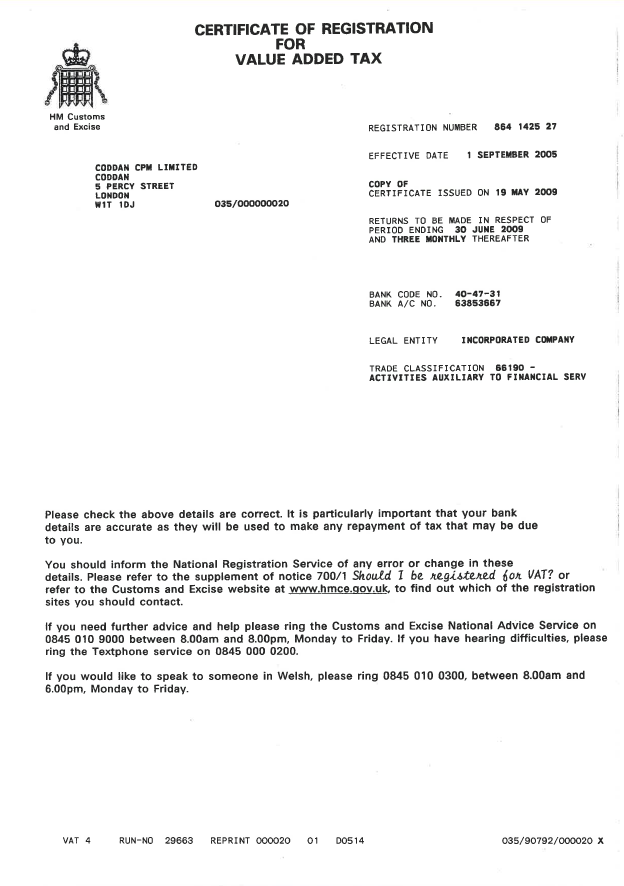
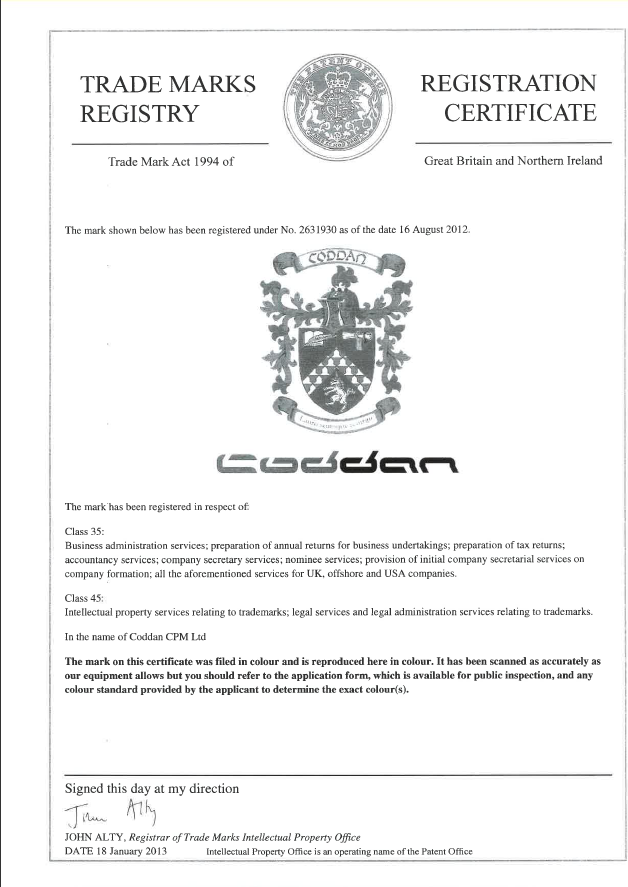
- Coddan CPM provides professional company formation and corporate administration support as an Authorised Corporate Service Provider (ACSP) and Trust and Corporate Service Provider (TCSP), within the agreed service scope and without replacing decisions made by Companies House or the relevant charity regulator.












 9.30 am – 6.00 pm GMT
 Monday-Friday
 info@coddan.co.uk