 Send us an e-mail









The person becomes a PSC
A relevant ownership or control condition begins to apply. The effective date and every applicable nature of control must be established.













 9.30 am – 6.00 pm GMT
 Monday-Friday
 info@coddan.co.uk









£40.00+VATIdentityGuard Pro™ Recommended for 1
package
Buy Now IdentityGuard Pro™ – Standard Verification for a New Individual PSC for £40 + VAT. The fixed £40 + VAT price covers standard verification for the affected individual. A change of particulars, change in nature of control, cessation or death does not automatically require a new paid identity check. First identify the real event under what happened to the PSC position. If the confirmed new PSC requires priority handling, compare RapidVerify Pro™. Personal Code use and PSC timing are explained separately on the code and role-connection page. Standard verification only where the genuine event creates a current individual requirement. |
£65.00+VATRapidVerify Pro™ Recommended for 2
package
Buy Now RapidVerify Pro™ – Priority Verification for a Time-Sensitive New Individual PSC for £65 + VAT. The fixed £65 + VAT price covers priority ACSP verification, not the underlying control analysis, entity notification, Personal Code submission or register update. If the event does not require urgent handling, compare IdentityGuard Pro™. Where the same person’s director, LLP member and PSC capacities change differently, keep the events and code steps separate through the Personal Code service. Priority verification for a real new PSC event, without treating speed as legal validity. |
£125.00+VATVerifyFlex Solutions™ Recommended for 3
package
Buy Now VerifyFlex Solutions™ – Flexible Verification for a New Individual PSC With Non-Standard Evidence for £125 + VAT. The fixed £125 + VAT price includes the agreed route assessment, guidance and supported verification. The entity’s investigation, confirmation of the event, effective date, notification and supporting records remain separate. If the evidence needs more intensive support, compare the FlexiVerify Option™. The information needed to separate the event from the filing is listed under what information to provide. Flexible verification after the real PSC event—not merely a form or register entry—has been established. |
£220.00+VATFlexiVerify Option™ Recommended for 4
package
Buy Now FlexiVerify Option™ – Enhanced Verification Support for a Complex New Individual PSC Case for £220 + VAT. The fixed £220 + VAT price covers enhanced verification work for the affected individual. If a flexible route is adequate without the highest support level, compare VerifyFlex Solutions™. Where PSC status, cessation, the nature of control or an earlier filing is disputed or inaccurate, continue to PSC identity problems and corrective routes before arranging verification. Enhanced support for identity evidence while disputed and corrective work remains separate. |
PSC changes and identity verification
A change involving a person with significant control can create several separate tasks. Coddan first establishes what actually happened, when it took effect and whether the person is still a PSC. We can then identify the individual’s verification step, the Personal Code requirement and the company’s or LLP’s separate notification work.
A person becomes or ceases to be a PSC because the applicable ownership or control conditions begin or end—not because a name is added to or removed from the Companies House register. A change in personal details or nature of control also has its own effective date and evidence.
Coddan can compare the legal and factual event with the information held by the company or LLP and by Companies House. This prevents identity verification, a Personal Code or a convenient form from being used to describe the wrong event.
Identity verification does not create or end PSC status. Personal Code use does not determine the nature of control, and registration does not validate an ownership or control conclusion.
Similar register entries can arise from different events. Each event must be identified before the correct notification and verification work is selected.
A relevant ownership or control condition begins to apply. The effective date and every applicable nature of control must be established.
The entity reports confirmed PSC information. The registration date and the date the person actually became a PSC may be different.
The person remains a PSC, but a registrable detail such as their name, service address, nationality or country of residence changes.
The person remains a PSC but the applicable condition, band or description of control changes, or another condition begins or ends.
Every applicable PSC condition has ceased. Ending one right or another office does not necessarily end every source of control.
A specific Companies House position applies. Identity verification is not required for the deceased PSC, and the register process depends on appropriate estate evidence.
The ownership, voting, appointment or influence arrangement actually begins, changes or ends.
The date on which the real rights or control changed—not merely the filing date.
The entity confirms the required personal and control information before reporting it.
The person completes the applicable Companies House or ACSP identity-verification route.
The Personal Code is provided for the PSC role through the applicable process.
The company or LLP separately delivers the required PSC information to Companies House.
Agreements, decisions and ownership or control evidence should support the position reported.
The entity must establish which PSC condition the person began to satisfy and the date this happened. It must obtain and confirm the required particulars and report the PSC position through the applicable company or LLP process. Identity verification confirms the individual’s identity; it does not decide whether the condition is met.
If the individual becomes a PSC after 18 November 2025, current Companies House guidance allows the Personal Code to be provided when the person is first added to the register or within 14 days after being added. The entity’s notification and the individual’s verification-detail requirement are both required and remain separate.
Page 6 owns the complete explanation of Personal Code access, the applicable 14-day period and separate code use where the person also holds another role.
A genuine later change may involve a name, service address, nationality, country of residence or another registrable detail. The new information must be confirmed and reported through the process applying to that detail.
Identity verification does not update the register automatically. An incorrect date of birth or information that was wrong when first filed is a corrective issue, not an ordinary later change.
A person may remain a PSC while their ownership band, voting rights, appointment rights or another nature of control changes. The entity must establish the real new position and its effective date.
Companies House guidance requires changes to PSC information to be reported within 14 days after the entity confirms the change. The Personal Code does not determine or amend the nature of control.
Cessation requires every applicable PSC condition to have ended. Selling some shares, losing one voting right or leaving another office may change the nature of control without ending PSC status altogether. Coddan may need to review the ownership chain, agreements and effective date before the entity reports cessation.
A director’s resignation does not automatically end their PSC status. Their continuing ownership or control must be considered separately.
Cessation as an LLP member does not automatically end PSC status where another relevant control condition may continue.
Ceasing to be a PSC does not automatically end a directorship or LLP membership. Each capacity requires its own valid event and process.
Current Companies House guidance states that identity verification is not required for a PSC who has died. It also states that the PSC should remain on the register until a grant of probate or letters of administration has been received.
Coddan can identify the company or LLP record involved and the apparent next official or professional route. Estate administration, interpretation of testamentary documents and decisions controlled by personal representatives remain outside ordinary identity-verification work.
When registering or incorporating a company, the proposed ownership and control arrangements may identify an individual PSC from the outset. The proposed PSC’s particulars, identity-verification position and Personal Code requirement must be considered alongside—but remain separate from—the incorporation application.
This page supports accurate identification of the person and event. It does not replace the complete company-formation service, decide every complex control question or suggest that verification incorporates the company.
View Company Limited by Guarantee formationThe earlier information was accurate, but the person’s details or control later changed. The current-change process and true effective date should be used.
The information was wrong, incomplete, duplicated or unauthorised when filed. The original document and defect must be examined before a corrective route is selected.
Do not report a false later change to disguise a historic error. Page 7 owns disputed PSC status, inaccurate historic filings, identity misuse and corrective-route selection.
The confirmation statement is not a universal substitute for a PSC notification required earlier. A company or LLP should report a genuine PSC appointment, cessation or information change through the applicable process and within the applicable period.
Confirmation-statement dates can affect the separate verification timing of some existing PSCs. Page 6 owns that detailed timing explanation; it does not alter the requirement to report a real PSC change correctly.
Current-position wording checked against official guidance on 20 September 2026.
Current
A person becoming a PSC must meet the current identity-verification and PSC code requirements. The entity separately identifies, confirms and reports the PSC position and later changes.
Transitional
Mandatory identity verification began on 18 November 2025. Existing PSCs follow the period applying to their own role, registration history and dates; there is no single deadline that safely describes everyone.
Future
Requirements for officers of corporate PSCs and general filers must not be treated as current until they are commenced and operational guidance is available.
Within the agreed scope, Coddan can identify the entity and individual, establish the apparent event and effective date, distinguish personal-detail and control changes, review available supporting evidence, compare Companies House information and identify the applicable verification, Personal Code, notification or specialist route.
Review the stated ownership or control event, date and available decisions, agreements and records.
Identify whether the free Companies House route or separately agreed Coddan ACSP support is appropriate.
Coordinate an authorised PSC notification or related entity work only where that service is confirmed and expressly agreed.
An eligible individual may use the free official Companies House verification route. Professional ACSP assistance is not compulsory, and an entity change does not automatically mean that another paid verification service is required.
Coddan CPM Limited is registered as an Authorised Corporate Service Provider and is supervised by HMRC for anti-money-laundering purposes. Where Coddan’s supported route is selected, Coddan can create the verification file, use its secure identity-verification provider, review the result and, where satisfactory and authorised, submit the verification information through its ACSP account.
Companies House—not Coddan or the provider—issues the Personal Code. Coddan’s onboarding, anti-money-laundering checks, evidence review, ACSP submission, Personal Code use and any entity filing remain distinct.
“Not known” is an acceptable answer. You do not need to decide the legal PSC position or choose a filing before Coddan reviews the event.
Company or LLP name and number; the individual’s name and date of birth; and any director, member or other relevant role.
What began, changed or ended; the actual or proposed effective date; and when the information was confirmed.
Relevant ownership, voting, appointment, management or other control information and supporting agreements or decisions.
What Companies House displays, any PSC notification already made and the entity’s relevant supporting records.
How identity verification was or will be completed, whether a Personal Code has been received, and any Companies House message.
Any disagreement about ownership, control, authority, dates or earlier information, and any process already under way.
This section does not transmit an enquiry. Use Coddan’s normal website contact details. Do not place an actual Personal Code, password, company authentication code or sensitive unredacted identity evidence in a general website enquiry.
Identity verification, Personal Code use and Coddan’s review do not create or end PSC status, determine a nature of control, admit or remove an LLP member, appoint or remove a director, complete incorporation, validate an unauthorised decision or correct an inaccurate historic filing automatically.
Indirect corporate, trust and firm arrangements belong to Page 5. Detailed code timing and dual-role use belong to Page 6. A disputed PSC position, inaccurate earlier filing, possible identity misuse or corrective procedure belongs to Page 7 and may require Companies House, professional or legal action.
They become a PSC when they begin to satisfy at least one applicable statutory ownership or control condition. The effective date comes from the real event, not simply the filing date.
No. The register records information delivered to Companies House. PSC status arises from the underlying ownership or control conditions.
They must complete the applicable identity-verification requirement. Current guidance allows the Personal Code to be provided when the person is first added to the register or within 14 days after addition. The entity’s PSC notification remains separate.
No. The code connects a verified identity to the PSC role. The underlying rights and evidence determine the applicable nature or level of control.
The entity confirms the genuine new information and uses the process applying to that detail. Current guidance requires PSC information changes to be reported within 14 days after confirmation.
No. Verification and the entity’s change notification are separate. The appropriate notification is still required.
Only when every applicable PSC condition has ended. The evidence and effective date should be established before cessation is reported.
Not automatically. A person may cease as a director while continuing to own shares, hold voting rights or exercise another form of control.
Not automatically. The person’s continuing rights or influence must be considered separately from the member-cessation event.
Not where an earlier PSC notification is required. The confirmation statement is not a universal substitute for reporting a genuine PSC change.
Companies House says identity verification is not required for a deceased PSC and that the PSC should remain on the register until a grant of probate or letters of administration has been received.
That is not an ordinary new change. The original filing, evidence and authority should be examined before a corrective or legal route is selected.
Coddan can coordinate work that is operationally confirmed, authorised and included in the agreed scope. Verification, Personal Code use, PSC analysis and the entity’s notification remain separate services and decisions.
Provide the entity, individual, apparent event, effective date and available ownership or control evidence. Coddan can identify the verification, PSC notification and specialist work that may be required without asking you to choose the legal conclusion first.
Discuss the PSC change


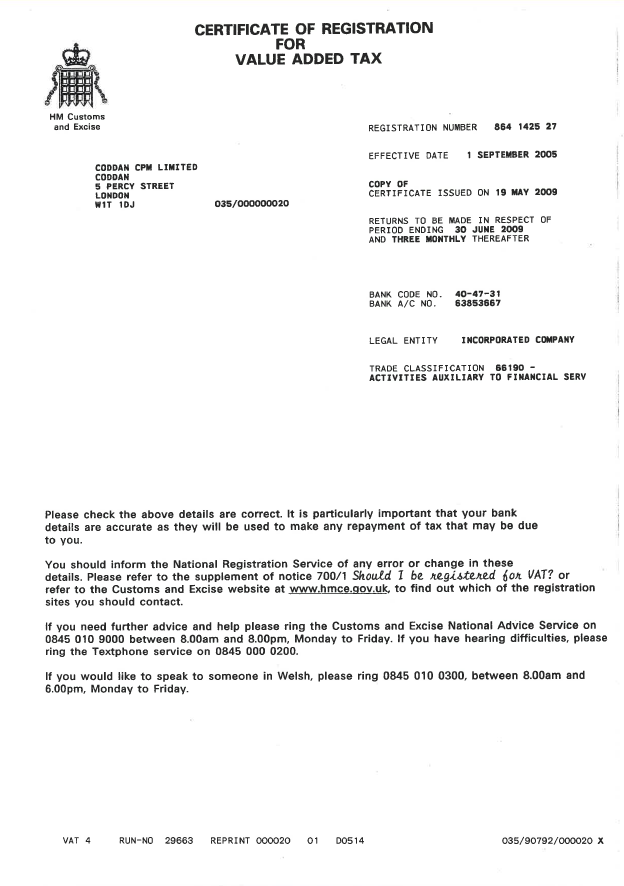
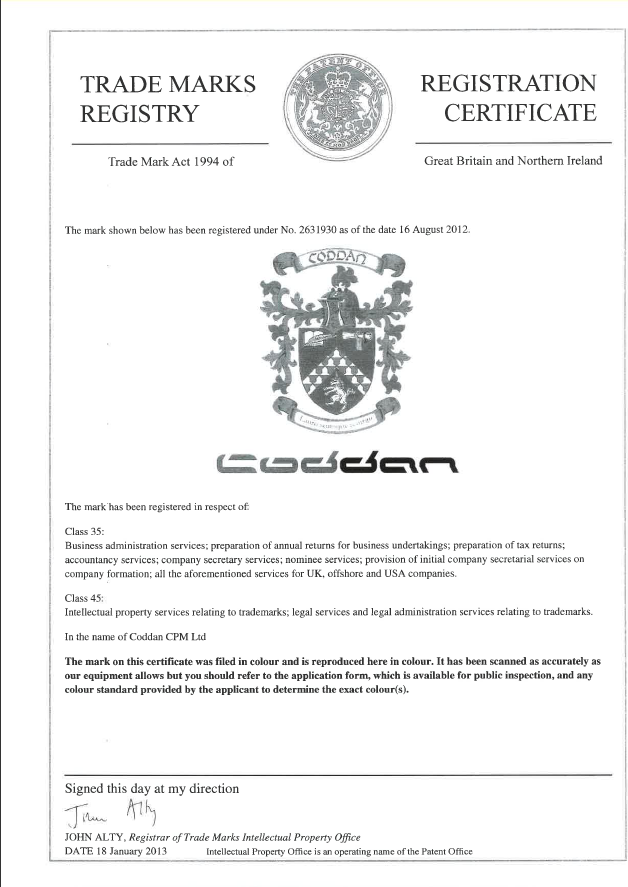
Coddan CPM LTD™ Business One-Stop Shop since 2005 Doing Business Made Easier!
