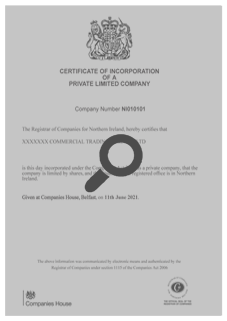
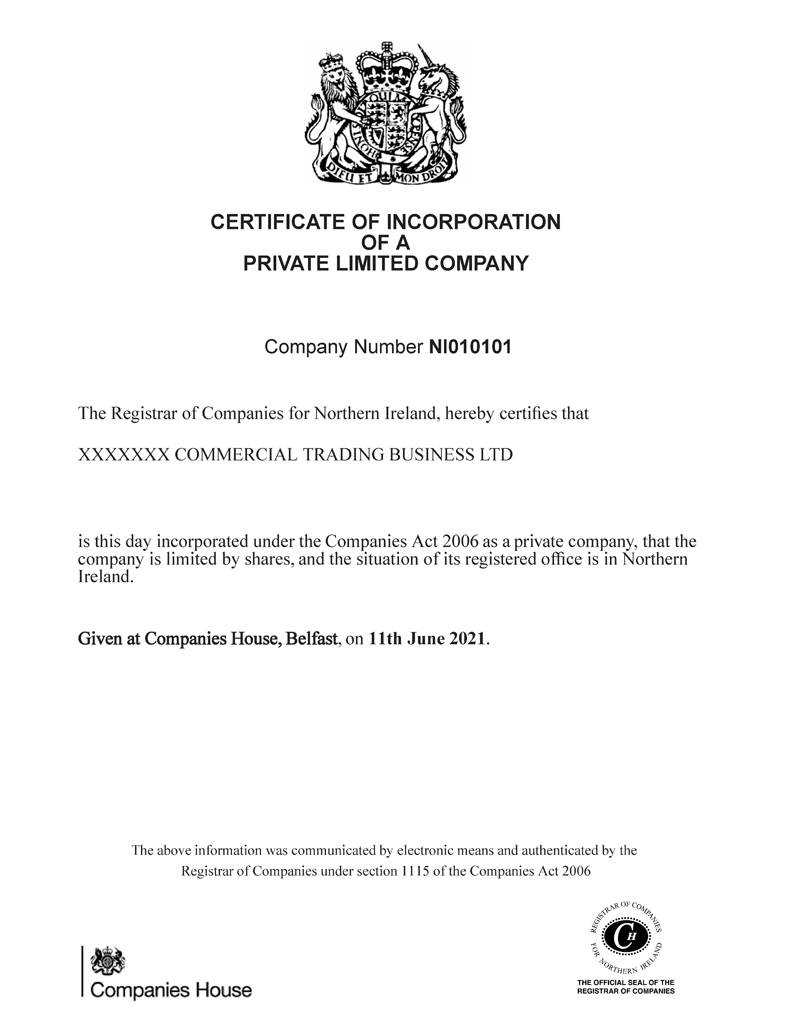
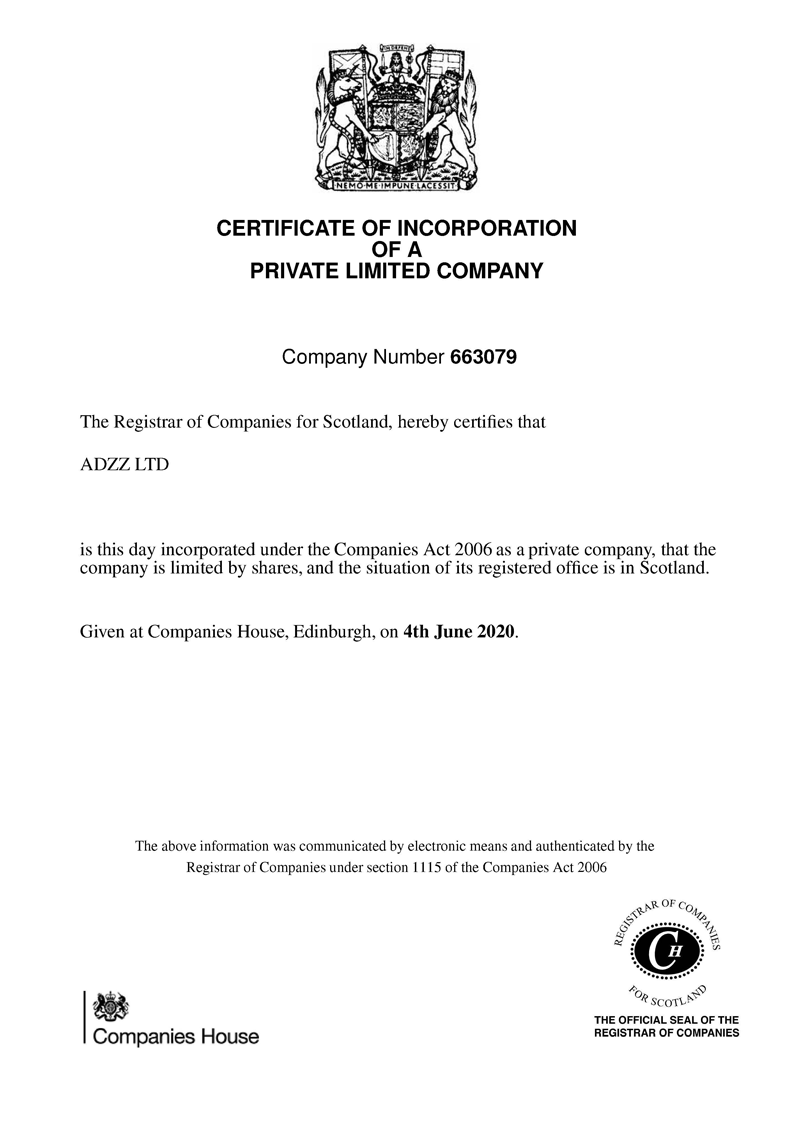
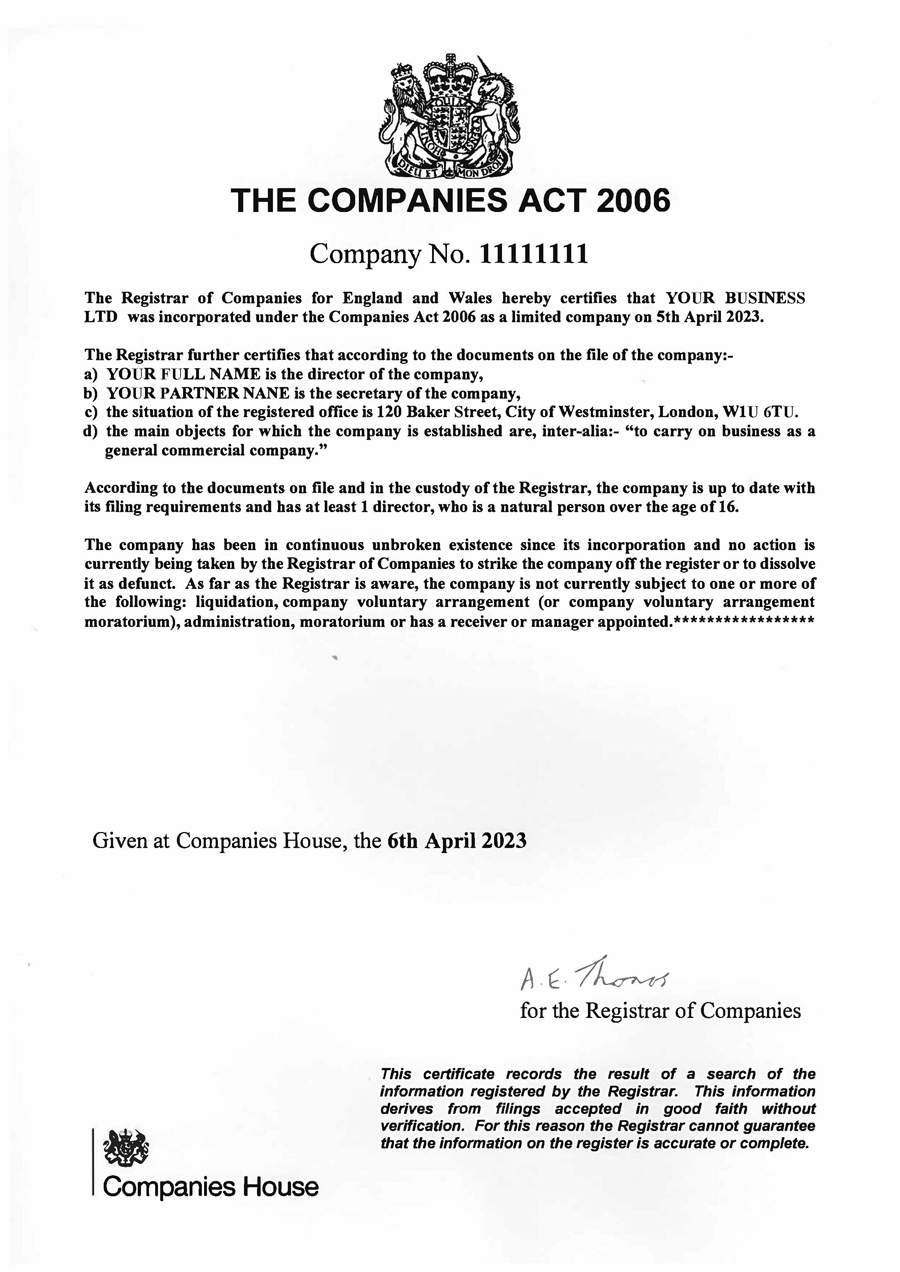
We use cookies on this website, you can read about cookies and GDPR Privacy Policy here
Coddan CPM Ltd. – Company Registration Agent in the UK

Simplify your corporate governance with a local expert company secretary. A practical, lower-risk alternative to nominee directors awaits you!

Step 1
Select a Corporate Service Provider (ACSP)
Step 2
Purchase the Nominee Secretary Service
Step 3
Provide Details of the Beneficial Owner
Step 4
Initiate IDV Verification
Step 5
Finalize Verification and Receive Personal Code
Step 6
File Appointment (AP03) and Sign Indemnity
Companies Registry's e-Services Portal Private Limited Company Registration Effortless Company Formation with a Prompt UK-Based Secretarial Agent Local Expert Company Secretary – A Practical, Lower-Risk Alternative to Nominee Directors

Local Expert Company Secretary – A Practical, Lower-Risk Alternative to Nominee Directors


Uncover the truth about nominee secretaries: essential figureheads who do not oversee company operations. Find out how they fit into corporate structures.

Nominee Company Secretary Service – Privacy with Structured UK Compliance.
Protect your privacy without compromising compliance. Coddan CPM provides a professionally managed nominee company secretary service designed for UK and international business owners who require discreet administration alongside fully compliant corporate governance. Under the Companies Act 2006, companies must maintain accurate statutory records and comply with ongoing filing obligations at Companies House. Our nominee company secretary service helps ensure these responsibilities are handled correctly, professionally, and on time.
Your appointed secretary appears on the public register in an administrative capacity, helping reduce unnecessary exposure of personal contact details while supporting your company’s governance structure. Directors and beneficial owners remain fully compliant with all legal disclosure requirements, while retaining complete control of the business.
We handle the appointment process from start to finish, including preparation of board resolutions, statutory register updates, and filing of Form AP03 or AP04 where required. Our regulated ACSP framework also supports identity verification requirements introduced under the UK’s evolving corporate transparency rules.
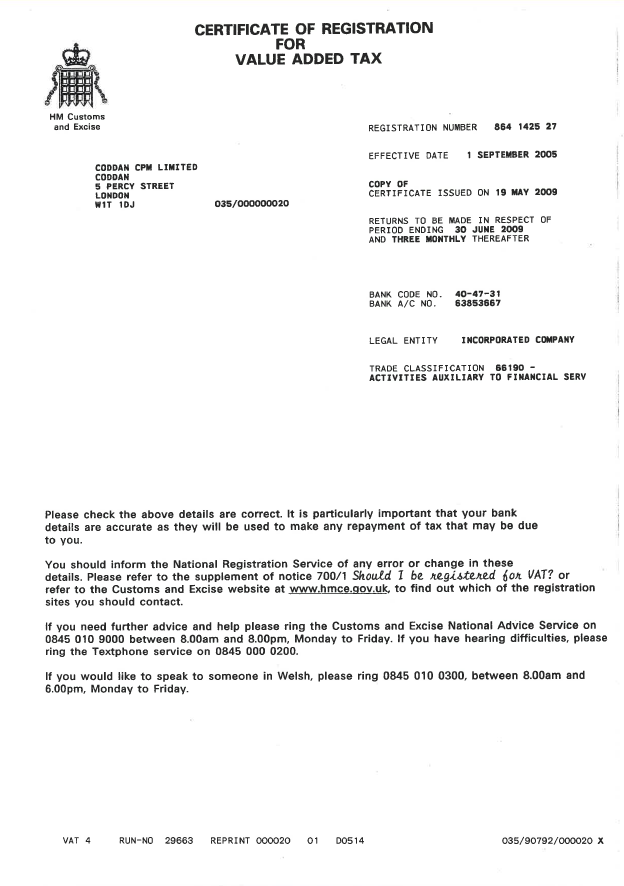
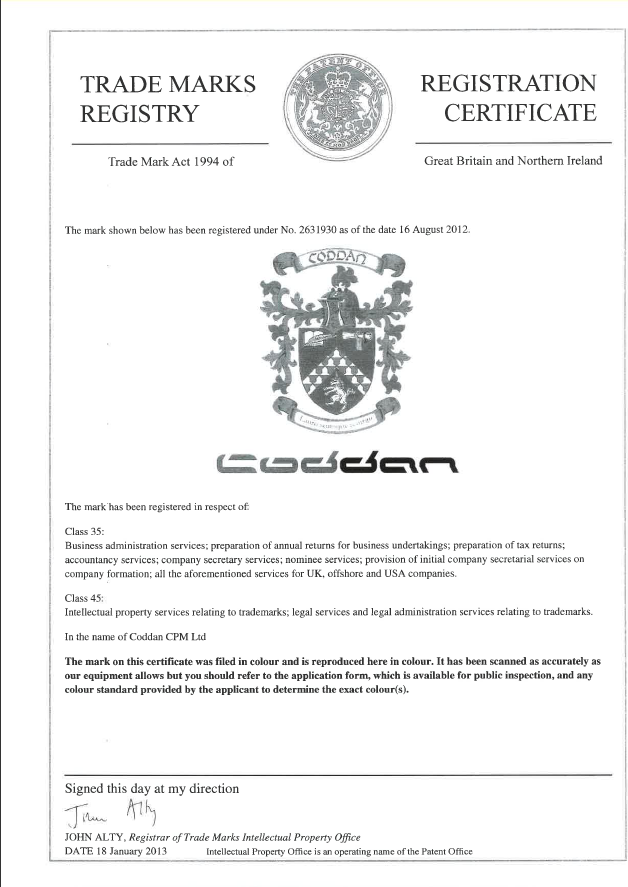
The result is a streamlined, audit-ready structure trusted by entrepreneurs, international founders, and growing UK companies alike. Maintain discretion. Strengthen compliance. Operate with confidence through a professionally managed UK company secretarial solution. Coddan is a trusted and licensed Trust and Corporate Service Provider (TCSP, proudly functioning as an Authorised Corporate Service Provider (ACSP). We are rigorously regulated by Companies House and HMRC, ensuring the highest standards of compliance and professionalism in our services.

Explore the concept of nominee secretaries—paper figureheads who play a crucial role without engaging in company management or decision-making.

Think of a nominee secretary as the behind-the-scenes star: officially on the books, but never calling the shots. With the Appointment of a professional company secretary from Coddan CPM, your company gets a discreet shield on public record while you maintain full control. Wondering How to Appoint a Nominee Secretary? It’s simple—Coddan CPM, a regulated ACSP and trusted Corporate Service Provider (TCSP), does the heavy lifting, ensuring your privacy and ticking off compliance for UK and non-UK residents alike. This nominee secretary service keeps your business details safe while expertly handling administrative duties, all while you steer the real decisions. If you’re curious about the Appointment of a professional company secretary or need a quick primer on How to Appoint a Nominee Secretary, Coddan CPM makes the process seamless. Protect what matters most: your identity and your company’s good standing, with a nominee secretary who keeps things confidential—and compliant.
Many low-cost formation agents simply process incorporation data without ongoing governance oversight. This “file-and-forget” approach can lead to Data Drift, where statutory registers, officer records, and Companies House filings no longer align. Inaccurate or unverified data increasingly triggers filing delays, identity verification failures, and enhanced scrutiny. Coddan CPM provides a licensed ACSP-based nominee secretary service designed for businesses that require structured compliance and long-term operational stability.
As an Authorised Corporate Service Provider (ACSP), we verify identities, manage statutory registers, and maintain accurate alignment between internal records and the public register. Directors and PSCs are linked to their mandatory 11-character Personal Codes, helping reduce filing friction and improving regulatory consistency. Our secure ACSP filing framework supports faster, more controlled submissions for director appointments, share allotments, confirmation statements, and registered office updates. Every filing is reviewed for technical accuracy before submission.
This is more than business incorporation—it is governance infrastructure. Avoid compliance friction, rejected filings, and fragmented records. Build your business on a verified, audit-ready framework trusted by banks, investors, and regulators alike.


Fast selling packages. FREE delivery Wednesday, May 13th 2026. 37 orders are in the queue. The last order was sent 00h 02m ago.

Simplify your corporate governance with our Nominee Company Secretarial Services. We help UK companies and non-resident directors stay compliant effortlessly.

Our Nominee Company Secretarial Services provide essential support for UK companies and non-resident directors, ensuring full corporate compliance with ease.
£125.00
+VAT

“NomineeGuard”

Recommended for

1
package

Buy Now Nominee Company Secretary Service – Practical Compliance from £125 per Year. For many UK private companies, appointing a nominee company secretary is not a legal requirement—but in 2026, it is a practical step toward structured compliance and administrative control. With increased scrutiny from Companies House, even routine filings must be accurate, consistent, and properly documented. Coddan CPM offers a nominee company secretary service from £125 per year, providing a cost-effective way to maintain compliance without adding operational burden. The appointment process is straightforward. For new companies, the secretary can be appointed during incorporation. For existing companies, the appointment is completed by preparing a consent, updating the statutory registers, and filing the appropriate form (AP03 for individuals or AP04 for corporate secretaries) in line with the Companies Act 2006.

The nominee secretary supports statutory compliance—maintaining registers, assisting with filings, and ensuring administrative continuity. While the role does not replace the director's responsibility, it introduces an independent layer of oversight that reduces the risk of missed deadlines or inconsistent records. It is important to be clear: a nominee arrangement should be transparent and properly recorded. It supports privacy in terms of service address usage where permitted, but it does not remove legal accountability. This is a controlled, compliant solution—not a workaround. Appoint correctly. Maintain compliance. Keep administration structured and predictable.


£170.00
+VAT

“Discreet Secretary Hub”

Recommended for

2
package

Buy Now Nominee Company Secretary Service – Privacy, Structure, and Compliance (£170/year). In 2026, privacy must be balanced with transparency. UK companies are required to maintain accurate, verifiable records under the Companies Act 2006, with increased oversight from Companies House and HM Revenue & Customs. A nominee company secretary can support the administrative structure—but it must be implemented correctly. Coddan CPM offers a nominee company secretary service from £170 per year, designed to provide controlled compliance support alongside enhanced administrative privacy where permitted by law. A nominee secretary is formally appointed and appears on the public record, handling company secretarial functions such as maintaining statutory registers, supporting filings, and managing official correspondence. This includes coordination of Companies House filings and communication handling where authorised.

The appointment process is straightforward. For existing companies, the role is added via Form AP03 (individual) or AP04 (corporate), followed by statutory register updates. For new incorporations, the appointment can be completed during formation. It is important to be precise: a nominee secretary supports administration and may provide a service address, but this does not create anonymity or remove directors’ legal responsibilities. All arrangements must remain transparent and compliant. Our service includes structured support, a legal address in London, clear scope, and transparent pricing, with statutory fees separated. This is not concealment—it is organised compliance. Enhance structure. Maintain privacy within legal limits. Keep your company compliant and controlled.


£185.00
+VAT

“Pristine Compliance”

Recommended for

3
package

Buy Now Nominee Company Secretary Service – Privacy, Presence, and Compliance (£185/year). In today’s regulatory environment, maintaining compliance while protecting operational privacy requires a structured approach. UK companies must ensure accuracy and transparency under the Companies Act 2006, with ongoing scrutiny from Companies House and HM Revenue & Customs. Coddan CPM provides a nominee company secretary service from £185 per year, combining administrative support with a credible UK presence. The nominee secretary is formally appointed and appears on the public register, supporting statutory compliance by maintaining registers, assisting with filings, and coordinating official correspondence. The service also includes a London-registered office address and a dedicated local telephone number, reinforcing your company’s UK footprint—particularly valuable for international owners.

Appointment is straightforward. For existing companies, this is completed using Form AP03 (individual) or AP04 (corporate), followed by updates to statutory registers. For new companies, the appointment can be made during incorporation. It is important to remain precise: this service supports administrative privacy (such as use of a service address where permitted), but it does not provide anonymity or transfer legal responsibility. Directors remain fully accountable for compliance. This is a structured, transparent solution designed to keep your company organised and regulator-ready. Establish presence. Maintain compliance. Operate with clarity and confidence.


£270.00
+VAT

“Nominee Shield”

Recommended for

4
package

Buy Now Nominee Company Secretary Service – Complete Compliance & UK Presence (£270/year). In 2026, maintaining a compliant and credible UK company requires more than basic administration. With tighter controls under the Companies Act 2006 and increased scrutiny from Companies House and HM Revenue & Customs, accuracy, consistency, and proper structure are essential. Coddan CPM offers a comprehensive nominee company secretary service for £270 per year, combining compliance support with a credible UK business presence. The nominee secretary is formally appointed and recorded on the public register, supporting statutory obligations by maintaining registers, coordinating filings, and managing official correspondence. The package includes a London registered office address, a dedicated local telephone number, and secure mail handling, ensuring your company has a reliable UK contact point.

To further reduce compliance risk, this bundle includes the preparation and filing of your first Confirmation Statement (CS01)—ensuring your company data (directors, shareholders, PSCs, and registered office) is accurate and aligned from the outset. Appointment is handled efficiently. For existing companies, this involves filing Form AP03 (individual) or AP04 (corporate), alongside updating statutory registers. For new companies, the appointment can be completed during incorporation. It is important to remain clear: this service supports administrative privacy and structure, but it does not remove directors’ legal responsibilities or create anonymity. This is a structured, transparent compliance solution—not a shortcut. Establish presence. Maintain accuracy. Keep your company compliant and audit-ready from day one.


Fast selling packages. FREE delivery Wednesday, May 13th 2026. 13 orders are in the queue. The last order was sent 00h 02m ago.

Explore the benefits of effective team utilization for timely, high-quality services. Ensure your team is visible and accessible for ongoing communication and support.

Learn how effective team utilization can prevent single points of failure and ensure timely service. Discover the value of a visible, accessible team for client support.
£199.00
+VAT

Buy “Compliance Shield”

Recommended for

1
package

Buy Now Compliance Shield Bundle for just £199 – Built for 2026 Reality. Staying compliant in 2026 is no longer about submitting a single form. With increased scrutiny from Companies House and evolving rules under the Economic Crime and Corporate Transparency Act, even small errors can escalate into rejected filings, penalties, or operational disruption. We understand the burden this creates—so we handle the complexity while you focus on growth. The Compliance Shield Bundle is designed as a continuous governance solution, not a one-off filing. We begin with a full Compliance Audit of your current company records to identify inconsistencies before any submission—preventing the compounding error effect that can trigger account restrictions. From there, we manage your Confirmation Statement, maintain updated Statutory Registers, prepare Board Minutes, and carry out ongoing PSC register reviews to ensure accuracy at all times.

All filings are submitted via our secure ACSP infrastructure using direct system integration, offering faster, more reliable processing than manual WebFiling. This reduces Filer Liability risk and improves submission accuracy. Our pricing is transparent. Our service fee covers preparation, review, and submission. Any statutory fees payable to Companies House are clearly identified and charged separately—no hidden costs. This is structured compliance, managed properly. Streamline your filings with our secure ACSP system. Benefit from transparent pricing, reduced liability risk, and accurate submissions—no hidden fees.


£500.00
+VAT

“SecureID Solutions”

Recommended for

2
package

Buy Now Director’s Protection Package for only £500– Practical Compliance Support for UK Directors. Directorship in 2026 carries greater scrutiny, tighter filing controls, and increased personal exposure. Under reforms linked to the Economic Crime and Corporate Transparency Act, errors in filings or identity verification can delay submissions or create avoidable compliance risk. We understand the pressure this creates—so we provide structured support that keeps you protected and in control. The Director’s Protection Package is designed to reduce Filer Liability and administrative friction. As an ACSP, Coddan CPM supports Identity Verification (IDV) processes for directors, helping ensure records are correctly aligned before submission to Companies House. We also provide a professional service address, helping keep residential details off the public register where permitted.

This is not just filing support. We manage unlimited director appointments and resignations, including AP01 and TM01 preparation, Board Minutes, and updates to statutory registers—ensuring your internal records match what is filed externally. Before any change, we carry out a compliance check to prevent compounding errors. You also receive monthly solicitor-led updates on director duties and governance changes, so you stay informed without having to track legislation yourself. Our pricing is clear: service fees are separate from statutory filing fees. Protect your position. Maintain accuracy. Stay compliant with confidence.


£1099.00
+VAT

Buy “EntryPoint CorpSec”

Recommended for

3
package

Buy Now International Market Entrant Bundle for £1,099 – Structured UK Entry for Overseas Owners. Entering the UK market in 2026 requires more than incorporation. Banks, regulators, and counterparties expect credible presence, accurate records, and responsive administration. We understand the friction overseas founders face—so we handle the setup complexity while you focus on launching and trading. The International Market Entrant Bundle from Coddan CPM provides a practical UK framework. You receive a resident UK Company Secretary to coordinate filings, maintain records, and support routine interactions with Companies House and HM Revenue & Customs where appropriate. A central London registered office gives you a credible address for statutory mail and ongoing correspondence.

We start with a compliance check to ensure your company data, officer details, and structure are filing-ready—reducing delays during onboarding and KYC reviews. Our team manages statutory registers, Board Minutes, and ongoing updates so your records stay aligned with filings. For cross-border transactions, we provide expedited notarisation and apostille support to keep documentation moving. Our ACSP-backed processes and direct filing links improve speed and reliability versus manual submission. Our fees are transparent; statutory charges are itemised separately. Build credibility. Reduce onboarding friction. Establish your UK presence with confidence.


£1800.00
+VAT

“Governance & Growth”

Recommended for

4
package

Buy Now Governance & Growth Bundle (Premium Support) £1,800 – Built for Scaling UK Companies. When your company scales, governance cannot lag behind. Investors, lenders, and regulators expect clean records, structured processes, and accurate filings. We understand how quickly administration can become fragmented—so we provide disciplined support that keeps your company organised, compliant, and transaction-ready. The Governance & Growth Bundle from Coddan CPM delivers end-to-end company secretarial support. We manage Board and AGM processes, including notices, agendas, resolutions, attendance records, and precise Board Minutes—ensuring decisions are properly documented and defensible. All updates are aligned with filings at Companies House to avoid inconsistencies.

Before any filing or corporate change, we carry out a compliance review to prevent compounding errors that can disrupt funding or due diligence. We maintain statutory registers in sync with submissions and handle share capital activity—transfers, allotments, and SH01 filings—so your ownership records remain accurate and investor-ready. For group structures, we support dormant entities by keeping filings current and status intact. An annual statutory health check identifies legacy issues across filings, registers, and governance records before they surface during audits or transactions. All submissions are processed via our ACSP-linked systems for speed and reliability. Our fees are transparent; statutory charges are listed separately. Scale with control. Stay audit-ready. Govern with confidence.


Appoint a nominee secretary with Coddan CPM for discreet, compliant business management. Protect your identity while we ensure your records stay accurate and secure.

Coddan CPM offers a professional nominee secretary service, ensuring your business details remain confidential while you maintain full control. Learn more now!

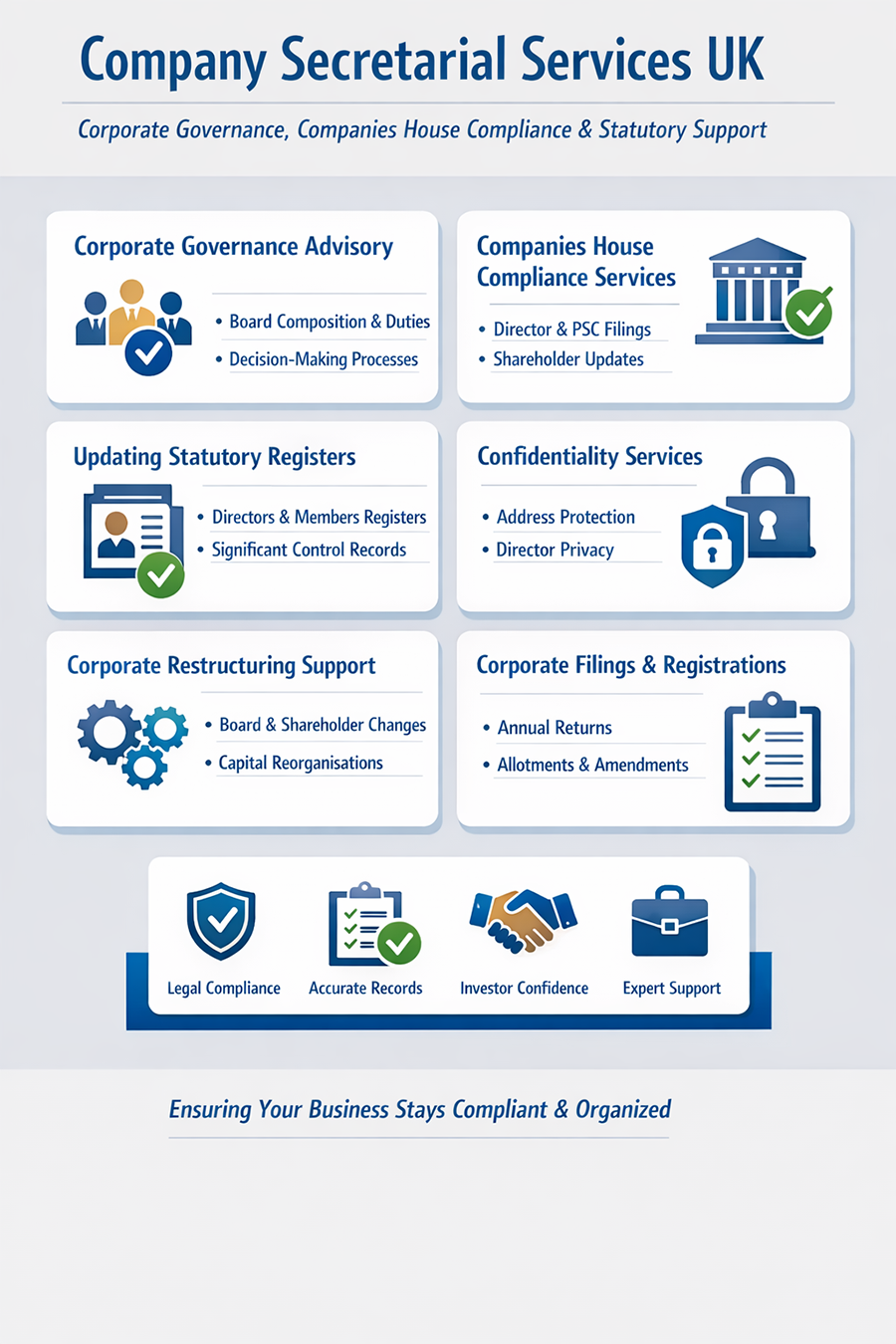
Infographic illustrating company secretarial services in the UK, highlighting key features and benefits for businesses. Visual representation of UK company secretarial services, detailing essential functions and advantages for organizations.

A nominee secretary serves as a discreet figure in a company, officially recognized but not involved in decision-making, allowing business owners to maintain control while ensuring privacy.
Coddan CPM, a regulated Authorised Corporate Service Provider (ACSP), simplifies the appointment of a nominee secretary, catering to both UK and non-UK residents. This service protects business details and manages administrative tasks, ensuring compliance and confidentiality.
Many low-cost formation agents adopt a "file-and-forget" strategy, which can lead to discrepancies in statutory records and filings, resulting in delays and increased scrutiny. In contrast, Coddan CPM offers a structured nominee secretary service that emphasizes compliance and operational stability.
As an ACSP, they verify identities, manage statutory registers, and ensure alignment between internal and public records, linking directors and Persons with Significant Control (PSCs) to their unique Personal Codes to streamline regulatory processes.
Coddan CPM’s secure filing framework enhances the efficiency of submissions for various corporate actions, ensuring technical accuracy before any filing is made.
This approach goes beyond mere incorporation; it establishes a robust governance infrastructure that minimizes compliance issues and supports a verified, audit-ready framework, gaining the trust of banks, investors, and regulators.


Nominee Company Secretary Service for CICs, NGOs & Companies Limited by Guarantee.
Running a Community Interest Company, NGO, or Company Limited by Guarantee means your focus should stay on your mission—not on navigating complex compliance obligations. Coddan CPM provides a professionally managed nominee company secretary service designed specifically for non-profit and purpose-driven organisations that require reliable governance support and administrative continuity.

Under the Companies Act 2006, organisations must maintain statutory registers, manage board procedures, file Confirmation Statements, and keep accurate records with Companies House. Our service ensures these responsibilities are handled accurately and on time, helping your organisation remain compliant and operationally organised. Your nominee company secretary supports governance procedures, maintains documentation, coordinates filings, and helps manage regulatory correspondence—giving your organisation a structured compliance framework without adding unnecessary administrative burden to trustees or directors.

For organisations asking how to appoint a nominee secretary, we manage the entire process, including appointment documentation, statutory register updates, and Companies House filings through our regulated ACSP-framework. The result is a professional, audit-ready structure that strengthens credibility with funders, stakeholders, and banking institutions while allowing your team to focus on delivering impact. Support your mission with governance that is compliant, professional, and built for long-term stability.


Local Expert Company Secretary – A Practical, Lower-Risk Alternative to Nominee Directors

In 2026, governance structures are assessed on transparency, control, and data integrity. The traditional use of nominee directors is increasingly questioned by regulators and financial institutions, as it can introduce ambiguity around decision-making authority. A UK-local expert company secretary provides a more structured and compliant alternative—without transferring control.

Coddan CPM delivers professional company secretarial services designed to meet the expectations of Companies House under the Companies Act 2006.

Clear Role Separation & Control
A nominee director holds legal authority and fiduciary duties. A company secretary does not. Instead, the secretary supports governance by documenting decisions, maintaining records, and ensuring filings are accurate—allowing directors to retain full control while improving compliance structure.

Comprehensive Compliance Management
A local expert secretary manages statutory registers, monitors deadlines, and ensures filings—such as Confirmation Statements and company changes—are accurate and consistent. This reduces the risk of rejected submissions or regulatory queries.

Active Governance Support
Unlike a passive nominee role, the company secretary supports board processes—preparing agendas, recording minutes, and ensuring decisions are properly documented. This creates a defensible audit trail and strengthens governance discipline.

Data Integrity & Record Alignment
Internal records are synchronised with Companies House filings, preventing inconsistencies (“data drift”) that can trigger compliance issues or automated checks.

Cost Efficiency & Flexibility
Secretarial services are typically structured and scalable, avoiding the added liability and complexity associated with third-party directorships.

Important Distinction
A company secretary does not replace a director. Directors remain fully responsible for company decisions and conduct.

This is not a workaround—it is a more precise allocation of roles. Retain authority. Strengthen governance. Operate with clarity in the UK regulatory environment.

Company Secretary vs Nominee Director – Practical Role Substitution Explained

A nominee director can provide formal representation, but in today’s UK regulatory environment, that alone is rarely sufficient to satisfy expectations around transparency, control, and governance. What regulators and financial institutions increasingly assess is how the company operates, not just who appears on paper at Companies House.

Coddan CPM structures company secretarial services to deliver those operational requirements—without introducing third-party control.

Where a Company Secretary Overlaps with Nominee Functions

While the roles are legally distinct, a professional UK-based company secretary can cover many practical needs that lead businesses to consider nominee directors:

Compliance Management

  • Ensures filings, registers, and records meet obligations under the Companies Act 2006
  • Maintains alignment between internal records and public filings

Governance Structure

  • Organises board meetings and prepares resolutions
  • Maintains minutes and formal decision records
  • Supports proper governance procedures

Operational Administration

  • Handles filings and updates with Companies House
  • Maintains statutory registers and share records
  • Coordinates documentation and compliance workflows

Regulatory Interface

  • Acts as the structured point of contact for filings and queries
  • Ensures timely and accurate communication with authorities

Key Difference You Should Not Ignore
A nominee director:

  • Holds legal authority and fiduciary responsibility
  • Can introduce governance complexity and liability

A company secretary:

  • Holds no decision-making power
  • Supports and documents decisions made by directors

This distinction is critical: control remains entirely with you.

Why This Model Is Operationally Stronger
Replacing a nominee director with a professional secretary results in:

  • Simplified governance structure (no third-party director layer)
  • Lower cost exposure (no director-level liability fees)
  • Higher data accuracy (centralised record management)
  • Better audit readiness (clear documentation trail)

Bottom Line
A nominee director provides presence. A company secretary provides process, control, and compliance. They are not interchangeable legally—but in practice, a structured secretarial function often removes the need for a nominee director altogether. Keep authority. Strengthen governance. Operate with clarity and compliance.

Nominee Director vs. Local Expert Secretary in 2026: A Practical, Compliant Alternative

In the modern UK regulatory environment, the choice between appointing a nominee director and engaging a local expert company secretary is no longer just structural—it is compliance-critical. Under frameworks such as the Companies Act 2006 and the Economic Crime and Corporate Transparency Act, transparency, identity verification, and data accuracy have fundamentally reshaped how companies must operate.

The Structural Difference

Nominee Director
A nominee director is formally appointed to the board, appearing on the public register as a legal director. Historically, this was used to:

  • Provide local presence
  • Add a layer of privacy for beneficial owners

However, in 2026:

  • Identity verification is mandatory
  • Directors carry legal duties and liabilities
  • Transparency requirements significantly limit anonymity

Local Expert Company Secretary
A company secretary is not a director but acts as the compliance controller and governance advisor. They:

  • Manage filings and statutory obligations
  • Maintain accurate company records
  • Ensure governance procedures are followed
  • Act as a local compliance interface

This creates a lower-risk, high-control model.

Compliance Management: Active vs Passive
A key distinction lies in execution:

  • Nominee directors are often passive appointees
  • Company secretaries provide active compliance management

A secretary ensures:

  • Timely and accurate filings with Companies House
  • Alignment between internal records and public data
  • Prevention of inconsistencies that trigger regulatory flags

This reduces the likelihood of:

  • Filing rejections
  • Penalties
  • “Notice of Inconsistency” issues

Governance and Strategic Value
A local expert secretary contributes directly to governance quality by:

  • Preparing and documenting board decisions
  • Advising on statutory duties and best practices
  • Supporting structured decision-making

This results in:

  • Stronger audit trails
  • Better risk management
  • Improved readiness for investment or due diligence

A nominee director, by contrast, rarely provides this level of operational input.

Privacy and Control
While nominee directors were historically used for confidentiality:

  • Modern regulations now prioritise verified transparency
  • Directors’ identities must be authenticated and traceable

A company secretary maintains confidentiality differently:

  • Secure handling of records
  • Controlled communication with authorities
  • Structured governance without introducing additional liability

Cost and Risk Profile
From a practical standpoint:

Nominee Director

  • Ongoing fees
  • Legal exposure for both parties
  • Potential compliance scrutiny

Company Secretary

  • Service-based pricing
  • No director-level liability introduced
  • Scalable support aligned with business needs

This makes the secretary model more flexible and cost-efficient.

Suitability for Overseas Owners
For international founders, a local expert secretary provides:

  • Direct guidance on UK regulations
  • Management of filings and deadlines
  • Local presence without altering board structure

This avoids the complexity and risk associated with appointing third-party directors.

Professional Implementation
Working with a specialist such as Coddan CPM ensures:

  • Full compliance with UK corporate law
  • Accurate and timely filings
  • Integrated governance and record-keeping
  • Reduced administrative burden for directors

Conclusion
In 2026, the shift is clear: compliance frameworks favour transparency, accuracy, and active governance over formal structures like nominee appointments.

A local expert company secretary delivers:

  • Stronger compliance control
  • Better governance outcomes
  • Lower legal and operational risk

For most modern UK companies—especially those with international ownership—the company secretary is the more practical, scalable, and regulation-aligned solution.

Company Secretary in UK Private Companies – Optional Title, Mandatory Functions

Under the Companies Act 2006, most private companies limited by shares are not legally required to appoint a company secretary. However, this often leads to a misunderstanding: while the title is optional, the underlying compliance obligations are not.

Coddan CPM supports companies in fulfilling these mandatory functions through structured company secretarial services—whether or not a formal appointment is made.

The Reality: Duties Still Exist
Every UK company must still perform core governance and compliance tasks, including:

  • Maintaining statutory registers (directors, members, PSCs)
  • Filing Confirmation Statements (CS01)
  • Submitting annual accounts
  • Recording board decisions and maintaining minutes
  • Keeping company records aligned with Companies House

If a company does not appoint a secretary, directors remain fully responsible for these obligations.

Legal Distinction

  • The position of company secretary → optional (for most private companies)
  • The functions of company secretary → mandatory in practice

Additionally, a company’s articles of association may require a secretary. If so, this becomes a binding internal rule, overriding the default position.

Why Companies Still Appoint One
Even without a legal requirement, appointing a professional company secretary provides:

Operational Control
Compliance tasks are centralised and managed systematically rather than handled ad hoc.

Accuracy & Consistency
Filings, registers, and internal records remain aligned—reducing the risk of errors or rejected submissions.

Governance Structure
Board meetings, resolutions, and records are properly documented, creating a clear audit trail.

Director Focus
Directors can concentrate on strategy while compliance is handled by a dedicated function.

Bottom Line
Not appointing a company secretary does not remove the workload—it reallocates it to directors. Optional title. Mandatory responsibilities. Structured execution makes the difference.

Company Secretary – Optional Role, Non-Optional Responsibilities

Under the Companies Act 2006, most UK private companies are not required to appoint a company secretary. However, this creates a common misconception: while the title is optional, the functions are legally unavoidable.

Coddan CPM supports companies by ensuring these functions are executed correctly, whether through formal appointment or structured advisory support.

Core Functions That Must Be Performed
Regardless of whether a secretary is appointed, every company must ensure the following are handled:

Statutory Registers Maintenance
Accurate records of directors, members, and Persons with Significant Control (PSCs) must be maintained and kept up to date.

Companies House Filings
All required filings—such as annual accounts and Confirmation Statements—must be submitted accurately and on time to Companies House.

Confirmation Statements (CS01)
Company data (shareholders, share capital, registered office, PSCs) must be verified and confirmed at least annually.

Board & Shareholder Procedures
Meetings must follow proper governance procedures, with resolutions documented and executed correctly.

Minutes & Record Keeping
Decisions must be formally recorded to create a clear audit trail and support legal defensibility.

Ongoing Compliance Oversight
The company must continuously meet its obligations under UK company law, including responding to regulatory changes.

Where the Responsibility Sits
If no company secretary is appointed:

  • Directors retain full responsibility for all compliance tasks
  • Duties may be delegated, but not transferred
  • Liability remains with the board

Articles of Association – A Key Override
While the law makes the role optional, a company’s articles of association may require a company secretary. If so, this becomes a binding internal obligation and must be followed.

Practical Reality
Choosing not to appoint a company secretary does not reduce workload—it redistributes it to directors or advisers.

The real decision is not whether the role exists, but who performs it and how well it is controlled. Optional title. Mandatory execution. Governance depends on structure, not labels.

Company Secretary in 2026: Optional Title, Mandatory Function

Under the Companies Act 2006, private companies limited by shares are not legally required to appoint a company secretary. However, this distinction is often misunderstood. While the title is optional, the underlying compliance and governance duties remain fully mandatory—and increasingly enforced under the Economic Crime and Corporate Transparency Act.

The Reality: The Work Still Exists
Every UK company must still perform core statutory functions, including:

  • Filing confirmation statements and accounts
  • Maintaining accurate company records
  • Updating director, shareholder, and PSC information
  • Managing board and shareholder procedures
  • Ensuring data consistency across filings

These obligations are monitored directly by Companies House, which now uses enhanced validation and query mechanisms.

If no secretary is appointed, these responsibilities fall directly on the directors.

The Legal Distinction Explained
The law creates a clear separation:

  • The role (title): Optional for most private companies
  • The responsibilities: Always mandatory

Additionally, a company’s Articles of Association can override the default position. If the articles require a secretary, the company must appoint one regardless of general law.

The Risk of “DIY Compliance”
In 2026, managing compliance internally (“DIY”) introduces significant risk:

  • Increased chance of filing errors or inconsistencies
  • Missed deadlines leading to penalties
  • Data mismatches triggering automated rejections
  • Greater director liability for compliance failures

With Companies House now actively cross-checking data, even minor discrepancies can result in:

  • Filing blocks
  • “Notice of Inconsistency” flags
  • Delays in banking or transactions

Why Companies Still Appoint a Secretary

Despite being optional, most serious companies appoint a company secretary (or equivalent professional service) because it provides:

  1. Compliance Control
    Ensures all filings are accurate, timely, and aligned with internal records.
  2. Governance Structure
    Maintains board minutes, resolutions, and decision trails—essential for audits and due diligence.
  3. Operational Efficiency
    Removes administrative burden from directors, allowing focus on strategy and growth.
  4. Risk Reduction
    Prevents costly errors, penalties, and regulatory scrutiny.

A Strategic Role, Not an Administrative One
In the current regulatory environment, the company secretary has evolved into:

  • A compliance gatekeeper
  • A data accuracy controller
  • A governance advisor

This is particularly important for:

  • Growing SMEs
  • Investment-ready companies
  • Overseas-owned UK entities

Professional Support Model
Engaging a specialist such as Coddan CPM ensures:

  • Full management of statutory obligations
  • Accurate and compliant filings
  • Continuous monitoring of regulatory changes
  • Reduced exposure to director liability

Conclusion
The key takeaway is simple: You can choose not to appoint a company secretary—but you cannot avoid the responsibilities. In 2026, those responsibilities are:

  • More complex
  • More scrutinised
  • More consequential

Appointing a company secretary (or professional equivalent) is therefore not about fulfilling a legal formality—it is about protecting your company’s compliance, credibility, and long-term viability.

Key Companies House Filings & Deadlines – Practical Compliance Map

For UK private companies, compliance is driven by event-based filings—each change in structure, ownership, or governance must be reported within strict deadlines. These obligations sit under the Companies Act 2006 and are enforced by Companies House.

Coddan CPM structures these requirements into a clear operational workflow to prevent missed filings and compliance breaches.

  1. Changes in Directors or Company Secretary
    Forms:
    • AP01 – Appoint director
    • TM01 – Terminate director
    • AP03 – Appoint secretary
    • TM02 – Terminate secretary
    Deadline: Within 14 days of the change
    Risk: Late filing can lead to penalties and inconsistencies in public records.
  2. Changes to Share Structure
    Forms:
    • SH01 – Allotment of shares
    • SH02 – Share buyback return
    • SH03 – Purchase of own shares
    Deadline: Within 1 month of the transaction
    Risk: Incorrect filings can invalidate share transactions or trigger compliance issues.
  3. Registered Office Address Change
    Form:
    • AD01 – Change of registered office
    Deadline: File promptly (best practice: within 14 days)
    Risk: Incorrect address can result in missed legal notices or compliance failures.
  4. Articles of Association Amendments
    Requirement:
    • File amended articles
    • Include special resolution (if applicable)
    Deadline: Within 15 days of resolution
    Risk: Governance structure becomes legally unclear if not filed.
  5. Annual Accounts (Small Companies Included)
    Requirement:
    • File annual accounts (simplified format allowed for small companies)
    Deadline: Usually 9 months after financial year-end
    Risk: Late filing penalties escalate and may lead to strike-off action.
  6. Company Resolutions
    Requirement:
    • File relevant resolutions (e.g. special resolutions)
    Deadline: Typically within 15 days
    Risk: Legal decisions may not be enforceable if not properly recorded.
  7. Persons with Significant Control (PSC)
    Requirement:
    • Maintain PSC register
    • Update on changes
    • Confirm via Confirmation Statement
    Threshold: Individuals with less 25% control
    Deadline: Update immediately internally; reflect in next filing
    Risk: Non-compliance can trigger investigations and penalties.

Operational Reality
These filings are not isolated—they must be:

  • Accurate (data consistency across records)
  • Timely (strict statutory deadlines)
  • Aligned (internal registers = Companies House data)

A company secretary or structured compliance function ensures these elements remain synchronised.

Bottom Line
UK compliance is deadline-driven and unforgiving of errors. Track changes. File correctly. Maintain alignment. Stay in good standing.

Administrative Functions of a Company Secretary – Operational Backbone of a UK Company

In a UK private company, administration is not just support work—it is core infrastructure for compliance and governance. The company secretary sits at the centre of this system, ensuring that communication, filings, and records remain accurate and aligned with the requirements of Companies House and HM Revenue & Customs.

Coddan CPM delivers structured company secretarial support that turns these administrative functions into a controlled, audit-ready process.

Stakeholder Communication – Structured and Transparent
The company secretary manages formal communication between directors, shareholders, and stakeholders. This includes:

  • Organising board meetings and AGMs
  • Preparing agendas and circulating documentation
  • Recording and distributing minutes

This ensures decisions are clearly documented and traceable, which is essential for governance and investor confidence.

Regulatory Correspondence – Controlled and Timely
All official communication with regulators is handled centrally:

  • Filing statutory documents
  • Responding to Companies House notices
  • Managing HMRC correspondence

For overseas directors, this function is critical—ensuring compliance without requiring constant direct engagement with UK authorities.

Documentation Management – Accuracy and Accessibility
The company secretary maintains and controls:

  • Statutory registers (directors, members, PSCs)
  • Share records and transfers
  • Corporate documents and resolutions

This creates a single source of truth, reducing inconsistencies and supporting due diligence, audits, or banking reviews.

Operational Efficiency – Reducing Administrative Burden
By centralising administrative tasks, the company secretary:

  • Removes routine compliance work from directors
  • Ensures deadlines are met without last-minute action
  • Standardises processes across filings and records

This improves execution speed and reduces the risk of errors.

Governance Without Over-Reliance on Nominee Structures
Rather than relying on nominee directors for administrative coverage, a company secretary provides:

  • Structured governance support
  • Documented decision-making
  • Clear separation between control and administration

Directors retain authority, while compliance is professionally managed.

Bottom Line
Administrative control is what keeps a company compliant and credible. Organise communication. Control documentation. Maintain compliance. Operate efficiently.

Administrative Functions of a Company Secretary in 2026: The Operational Backbone

In a UK private company limited by shares, administration is no longer a background activity—it is a regulated, audit-visible function. Under the Companies Act 2006 and the enhanced transparency regime of the Economic Crime and Corporate Transparency Act, administrative accuracy directly impacts compliance, credibility, and operational continuity.

A company secretary sits at the centre of this system, ensuring that information flows, records, and filings are controlled and consistent.

  1. Stakeholder Communication: Structured and Compliant
    A company secretary manages communication across:
    • Directors and board members
    • Shareholders
    • External stakeholders
    Key responsibilities include:
    • Organising board meetings and AGMs
    • Preparing agendas and supporting documents
    • Recording and distributing minutes
    • Ensuring decisions are formally documented
    This is not just administrative—it creates a legal record of decision-making, which is essential for:
    • Dispute resolution
    • Investor due diligence
    • Regulatory review
  2. Regulatory Correspondence and Filings
    All UK companies must interact continuously with Companies House and HM Revenue and Customs. A company secretary ensures:
    • Timely submission of confirmation statements and accounts
    • Accurate updates of company data (directors, PSCs, addresses)
    • Proper handling of regulatory notices or queries
    For overseas directors, this function is critical—without local expertise, delays or errors are common and can lead to:
    • Penalties
    • Filing rejections
    • Compliance flags
  3. Management of Official Documentation
    Corporate records are the legal backbone of the company. A company secretary maintains:
    • Register of members (shareholders)
    • Board minutes and resolutions
    • Share certificates and transfer records
    • Historical filing records
    In 2026, this documentation must align perfectly with public filings. Any mismatch can trigger:
    • Automated checks
    • “Notice of Inconsistency” alerts
    • Delays in transactions or banking
  4. Administrative Control = Operational Efficiency
    By centralising administrative functions, a company secretary:
    • Reduces duplication and errors
    • Ensures deadlines are tracked and met
    • Standardises internal processes
    This allows directors to focus on:
    • Strategy
    • Revenue generation
    • Growth initiatives
    • Rather than being absorbed in compliance administration.
  5. Reducing Dependency on Nominee Structures
    Historically, nominee directors were used to manage local administration. In 2026:
    • Identity verification requirements limit anonymity
    • Directors carry legal liability regardless of role
    • Regulatory scrutiny is significantly higher
    A company secretary provides:
    • Local operational control
    • Compliance execution
    • Governance support
    Without introducing additional director-level risk
  6. Administrative Accuracy as a Risk Control Mechanism
    The modern UK system is highly sensitive to data errors. A company secretary ensures:
    • Internal records match public data
    • Filings are consistent across all submissions
    • Changes are reflected immediately
    This prevents:
    • Filing rejections
    • Compliance investigations
    • Delays in banking or investment processes

Professional Execution
Engaging a specialist such as Coddan CPM ensures:

  • Fully managed administrative and compliance processes
  • Accurate statutory record-keeping
  • Seamless interaction with regulators
  • Scalable support as your company grows

Conclusion
Administrative functions in a UK company are not routine—they are compliance-critical systems.

A company secretary delivers:

  • Structured communication
  • Accurate documentation
  • Reliable regulatory interaction
  • Operational efficiency

In 2026, strong administration is not optional—it is the infrastructure that keeps your company compliant, credible, and fully operational.

Company Secretary – The Central Point of Contact for Compliance and Governance

In a UK private company, communication with regulators is not incidental—it is structured, ongoing, and legally significant. A company secretary functions as the designated operational interface between the company and key authorities such as Companies House, ensuring that all filings, updates, and responses are handled accurately and on time.

Coddan CPM provides company secretarial services that formalise this role into a reliable compliance channel—reducing risk and improving operational clarity.

Centralised Regulatory Communication
A company secretary acts as the single point of coordination for:

  • Submission of statutory filings
  • Handling Companies House queries
  • Managing correspondence with regulators and advisers

This removes fragmentation and ensures all communication is consistent, traceable, and properly documented.

Structured Interaction with Companies House
Instead of ad hoc director involvement, the company secretary manages:

  • Filing of confirmation statements and company changes
  • Updates to statutory records
  • Responses to compliance notices

This creates a controlled workflow, reducing the likelihood of missed deadlines or incorrect submissions.

Governance and Record Integrity
The company secretary ensures that all decisions and communications are supported by:

  • Accurate board minutes
  • Properly recorded resolutions
  • Up-to-date statutory registers

This documentation forms a defensible audit trail, essential for due diligence and regulatory review.

Expertise as a Control Mechanism
A qualified company secretary brings:

  • Knowledge of evolving compliance requirements
  • Awareness of filing standards and expectations
  • Ability to pre-empt and resolve regulatory issues

This transforms the role from administrative support into a compliance control function.

Operational Advantage
For directors—particularly overseas owners—the company secretary:

  • Reduces direct interaction with UK regulators
  • Ensures continuity in communication
  • Maintains the company’s “good standing” status

Bottom Line
The company secretary is not just a support role—it is the communication backbone of compliance. Centralise contact. Control communication. Maintain regulatory clarity and consistency.

Company Secretary as the Central Point of Contact (2026 Perspective)

In the UK’s modern corporate environment, the role of a company secretary has evolved into more than a compliance function—it is now a central communication and control hub within the company. Even though the role is not mandatory under the Companies Act 2006, the responsibilities tied to it remain essential and are increasingly scrutinised under the Economic Crime and Corporate Transparency Act.

A Single, Structured Point of Contact
A company secretary acts as the official interface between the company and external stakeholders, including:

  • Companies House
  • HM Revenue and Customs
  • Auditors and legal advisors
  • Shareholders and board members

This centralisation eliminates fragmented communication and ensures that all interactions are:

  • Consistent
  • Accurate
  • Legally aligned

Managing Regulatory Communication
The UK compliance framework requires continuous interaction with regulators. A company secretary ensures:

  • All statutory filings are submitted correctly and on time
  • Regulatory queries are addressed promptly
  • Changes in company structure are properly reported
  • Official correspondence is tracked and documented

This reduces the risk of:

  • Missed deadlines
  • Filing errors
  • Escalated compliance issues

Replacing Informal or Nominee Contact Structures
Historically, some companies relied on nominee directors to act as a contact point. In 2026, this approach is less effective due to:

  • Mandatory identity verification requirements
  • Increased transparency obligations
  • Director-level legal liability

A company secretary provides a cleaner, more compliant alternative:

  • No additional director liability
  • Dedicated administrative and compliance focus
  • Clear accountability for communications

Expertise That Improves Communication Quality
A qualified secretary brings:

  • Deep knowledge of UK corporate law
  • Awareness of regulatory expectations
  • Ability to interpret and respond to official notices correctly

This ensures that communication with regulators is not just fast—but technically accurate and defensible.

Internal Communication and Governance Alignment
Beyond external communication, the secretary also ensures structured internal communication by:

  • Coordinating board meetings and agendas
  • Recording and distributing minutes
  • Maintaining a formal record of decisions

This creates a single source of truth, which is critical for:

  • Audits
  • Investor due diligence
  • Legal protection

Impact on Business Credibility
A company with a clearly defined contact structure demonstrates:

  • Professional governance
  • Operational discipline
  • Regulatory awareness

This enhances trust with:

  • Banks conducting KYC checks
  • Investors reviewing governance frameworks
  • Partners assessing reliability

Professional Implementation
Engaging a provider such as Coddan CPM ensures:

  • Centralised handling of all regulatory communication
  • Accurate and timely filings
  • Continuous compliance monitoring
  • Reduced burden on directors

Conclusion
In 2026, effective communication with regulators is not optional—it is a core compliance function.

A company secretary delivers:

  • A single, accountable point of contact
  • Structured and accurate communication
  • Reduced regulatory risk

This role transforms communication from a reactive task into a controlled, strategic function that protects the company’s standing and supports long-term operations.

Company Secretary vs Nominee Director – Where Real Value Sits

In modern UK corporate governance, the distinction between a company secretary and a nominee director is not just functional—it is strategic. Under the Companies Act 2006, directors carry legal authority and liability, while the company secretary provides structured compliance, governance support, and administrative control.

Coddan CPM positions the company secretary as a value-generating role, not merely an administrative one—especially when compared to nominee director arrangements.

Role Clarity – Control vs Support
A nominee director:

  • Holds legal authority and fiduciary duties
  • May act as a placeholder without operational involvement
  • Introduces third-party risk into the board structure

A company secretary:

  • Does not make decisions
  • Ensures decisions are documented, compliant, and filed correctly
  • Strengthens governance without diluting control

Cost vs Value
Nominee directors often involve:

  • Ongoing fees
  • Legal exposure and liability considerations
  • Limited operational contribution

A company secretary delivers:

  • Compliance management
  • Governance structure
  • Administrative efficiency

This makes the secretary role cost-efficient and functionally productive, particularly for SMEs.

Compliance & Risk Reduction
A company secretary ensures:

  • Accurate statutory registers
  • Timely filings with Companies House
  • Proper documentation of decisions

In contrast, a nominee director does not inherently improve compliance—risk remains with the company.

Credibility & Stakeholder Confidence
Structured governance supported by a company secretary signals:

  • Transparency
  • Operational control
  • Regulatory alignment

This is increasingly important for:

  • Banking relationships
  • Investor due diligence
  • Regulatory reviews

Nominee director structures, by contrast, may raise questions about control and substance.

Operational Impact
A company secretary:

  • Centralises compliance tasks
  • Supports board processes
  • Improves internal organisation

This allows directors to focus on strategy rather than administration.

Bottom Line
A nominee director introduces form without substance. A company secretary delivers structure, compliance, and operational clarity. Retain control. Reduce risk. Invest in governance that actively supports your business.

Company Secretary vs Nominee Director (2026): A Governance-First

In today’s UK regulatory landscape, choosing between a company secretary and a nominee director is no longer a matter of preference—it is a strategic compliance decision. Under the Companies Act 2006 and the enhanced transparency rules introduced by the Economic Crime and Corporate Transparency Act, the emphasis has shifted toward accuracy, accountability, and active governance.

Understanding the Core Difference

Company Secretary
A company secretary operates as the compliance and governance engine of the business. They:

  • Manage statutory filings and deadlines
  • Maintain company records and registers
  • Coordinate board processes and documentation
  • Ensure alignment with UK legal requirements

Nominee Director
A nominee director is formally appointed to the board, typically to:

  • Provide local presence
  • Represent the company in name

However, in 2026:

  • Identity verification is mandatory
  • Directors carry full legal duties and liabilities
  • Transparency rules limit anonymity benefits

This reduces the practical advantage of nominee structures.

Cost vs Value: A Clear Distinction

Nominee Director Costs

  • Ongoing appointment fees
  • Potential legal and compliance exposure
  • Limited operational contribution

Company Secretary Value

  • Structured compliance management
  • Ongoing governance support
  • Scalable service aligned with business needs

For SMEs and international founders, this makes the secretary role more cost-efficient and operationally valuable.

Compliance Execution: Active vs Passive
A key differentiator is execution capability.

A company secretary:

  • Actively manages filings with Companies House
  • Ensures data consistency across records
  • Prevents errors that trigger compliance flags

A nominee director:

  • Typically does not manage day-to-day compliance
  • Offers limited involvement in operational governance

Risk and Liability Profile
In 2026, risk exposure is a critical factor.

Nominee Director

  • Holds statutory director duties
  • May introduce legal complexity
  • Can increase scrutiny if misused

Company Secretary

  • Provides compliance oversight without director liability
  • Reduces risk of penalties and filing errors
  • Supports audit readiness and regulatory responses

Governance and Credibility
A professional company secretary strengthens:

  • Internal governance structures
  • Documentation and audit trails
  • Investor and banking confidence

This is particularly important when:

  • Opening bank accounts (KYC checks)
  • Raising investment
  • Undergoing due diligence

Companies with structured governance are consistently viewed as lower risk and more credible.

Operational Efficiency
A company secretary enables:

  • Faster filings and updates
  • Structured communication with regulators
  • Reduced administrative burden on directors

This allows leadership to focus on growth and strategy, rather than compliance administration.

Professional Implementation
Engaging a specialist such as Coddan CPM ensures:

  • Full compliance management
  • Accurate and timely filings
  • Integrated governance systems
  • Ongoing regulatory monitoring

Conclusion
In the 2026 regulatory environment, the distinction is clear:

  • A nominee director provides form
  • A company secretary provides function

For most modern UK companies—especially those seeking credibility, efficiency, and compliance—the company secretary is the more practical, lower-risk, and higher-value solution. It is not just about meeting requirements—it is about building a company that can operate, scale, and withstand regulatory scrutiny with confidence.