We use cookies on this website, you can read about cookies and GDPR Privacy Policy here
Coddan CPM Ltd. – Company Registration Agent in the UK

Understand the property and management situation, establish the appropriate corporate route, and move from formation through to ongoing compliance.

Step 1
Understand Property Situation
Step 2
Identify Management Requirements
Step 3
Check RTM Eligibility
Step 4
Choose Corporate Structure
Step 5
Complete Company Formation
Step 6
Continue Corporate Compliance
Companies Registry's e-Services Portal Non-For-Profit Companies Non-Profit & CLG Advisory Right to Manage (RTM) & Resident Management Company Setup

Right to Manage (RTM) & Resident Management Company Setup

Property Management Company Formation

Property Management Company Formation in the UK

Residential and property-management arrangements can involve different legal structures, membership arrangements and governance requirements. Coddan provides professional company formation and corporate support for property-related projects, including leasehold developments, apartment and block management, residential estates, residents' management, Right to Manage arrangements, freehold and common-area management and community or property projects.

The property situation comes first. The corporate structure follows. Depending on the circumstances, you may be considering a Residential Management Company (RMC), Right to Manage (RTM) company, residents' management company, company for leasehold or freehold management, or a Company Limited by Guarantee (CLG), also commonly described as a Limited by Guarantee company (LBG). These terms describe different arrangements and should not automatically be treated as interchangeable. The appropriate corporate route depends on the property, applicable legal requirements and intended management arrangements.

1. Property Situation — What needs to be managed? 2. Corporate Structure — Which route may be appropriate? 3. Formation & Compliance — Establish, administer and maintain the company

Planning to establish a company for residential or property management? Contact Coddan on +44 (0) 207 935 5171 or 0330 808 0089 , or email info@coddan.co.uk .

Secure Online Ordering & Data Protection — Coddan's online order forms use SSL/TLS encryption to help protect information transmitted through our website. Personal information is handled in accordance with applicable UK GDPR and data protection requirements.

Professional Corporate Formation Support for Property Management

Property-management projects can involve different corporate structures, membership models and statutory arrangements. A Company Limited by Guarantee may be relevant to some member-based property or community arrangements, while other situations may involve an RMC, RTM company, company limited by shares or another structure. A CLG/LBG has members and no share capital; it should not be assumed to be the required structure simply because a project involves residential or property management.

Right to Manage (RTM) is a specific statutory mechanism and is not simply a generic company-formation choice. Eligibility, statutory procedure and the requirements for exercising the Right to Manage depend on the property and applicable legal framework. Similarly, an RMC describes a residential management arrangement and should not automatically be treated as synonymous with an RTM company, a CLG/LBG, a company limited by shares or a particular freehold-management structure.

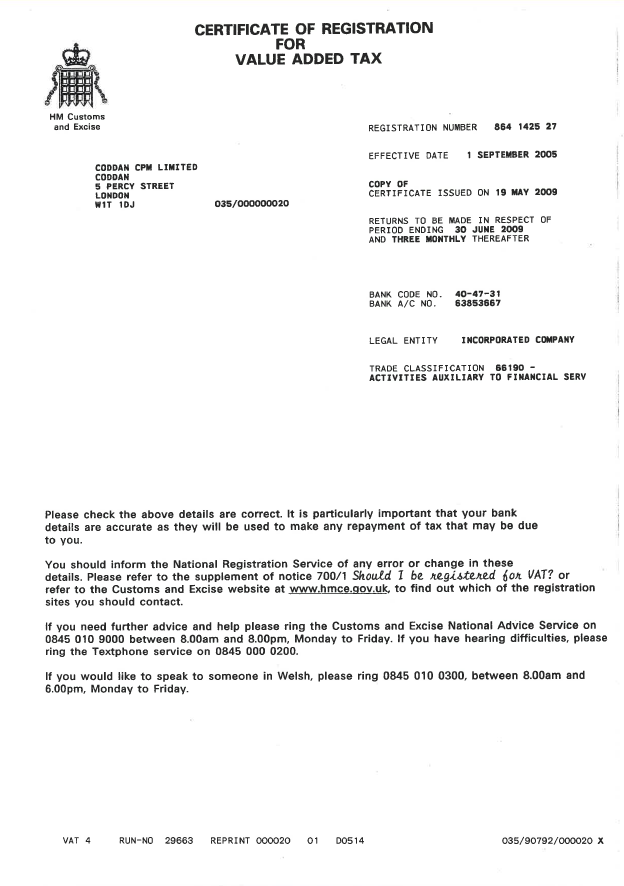
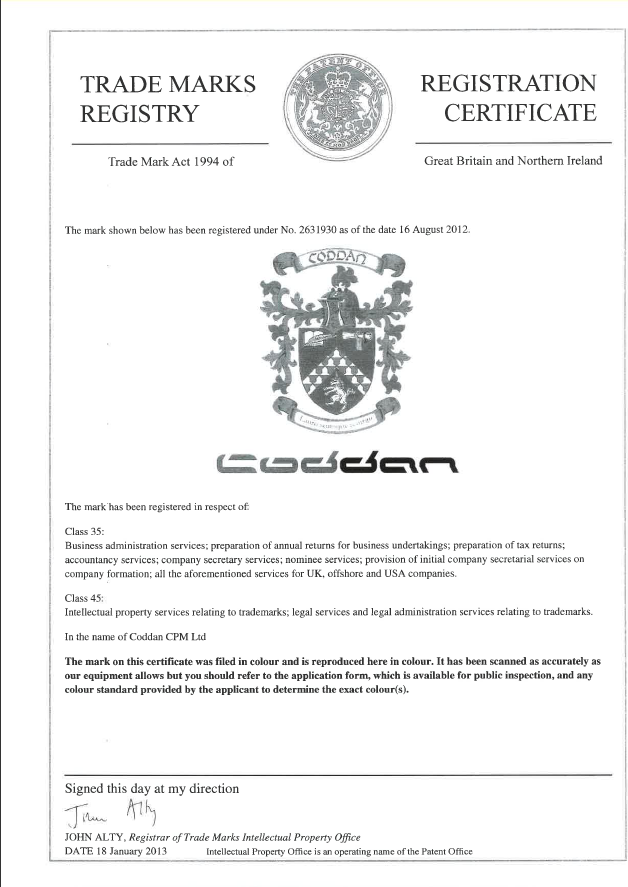
Coddan CPM Ltd is an Authorised Corporate Service Provider (ACSP) and a Trust and Corporate Service Provider (TCSP). Our role is focused on the corporate-services layer: company formation, corporate documentation, identity-verification guidance and company secretarial or corporate administration support within the agreed scope.

Formation is the beginning of the company's corporate lifecycle. Following incorporation, applicable Companies House filings, confirmation statements, statutory records, identity-verification requirements and other corporate obligations may need to be maintained. Coddan can provide relevant corporate administration support within the agreed scope, while specialist property, legal and financial matters remain with the appropriate advisers.

Coddan does not replace the specialist professionals involved in your property arrangement. You can continue working with your solicitor, accountant, property adviser, managing agent or other appropriate professional while using Coddan for the corporate formation and administration element. Legal, tax, accounting, property, RTM eligibility, lease interpretation and other specialist professional advice remains with the appropriate adviser.

ACSP Authorised corporate service provider support within the applicable Companies House framework.
TCSP Trust and corporate services provided within the agreed service scope.
Property Management Focus Formation and corporate administration organised around residential and property-management arrangements.
Ongoing Compliance Corporate administration can continue after incorporation, including applicable filings, records and governance support.

Start Your Business Today: Fast Formation Services to Meet All Compliance Standards
£239.99
+VAT

PropertyForm Essential™

Recommended for

1
package

Buy Now Essential Property & Community Management Company Formation — £239.99 + VAT · Companies House incorporation and essential corporate formation support
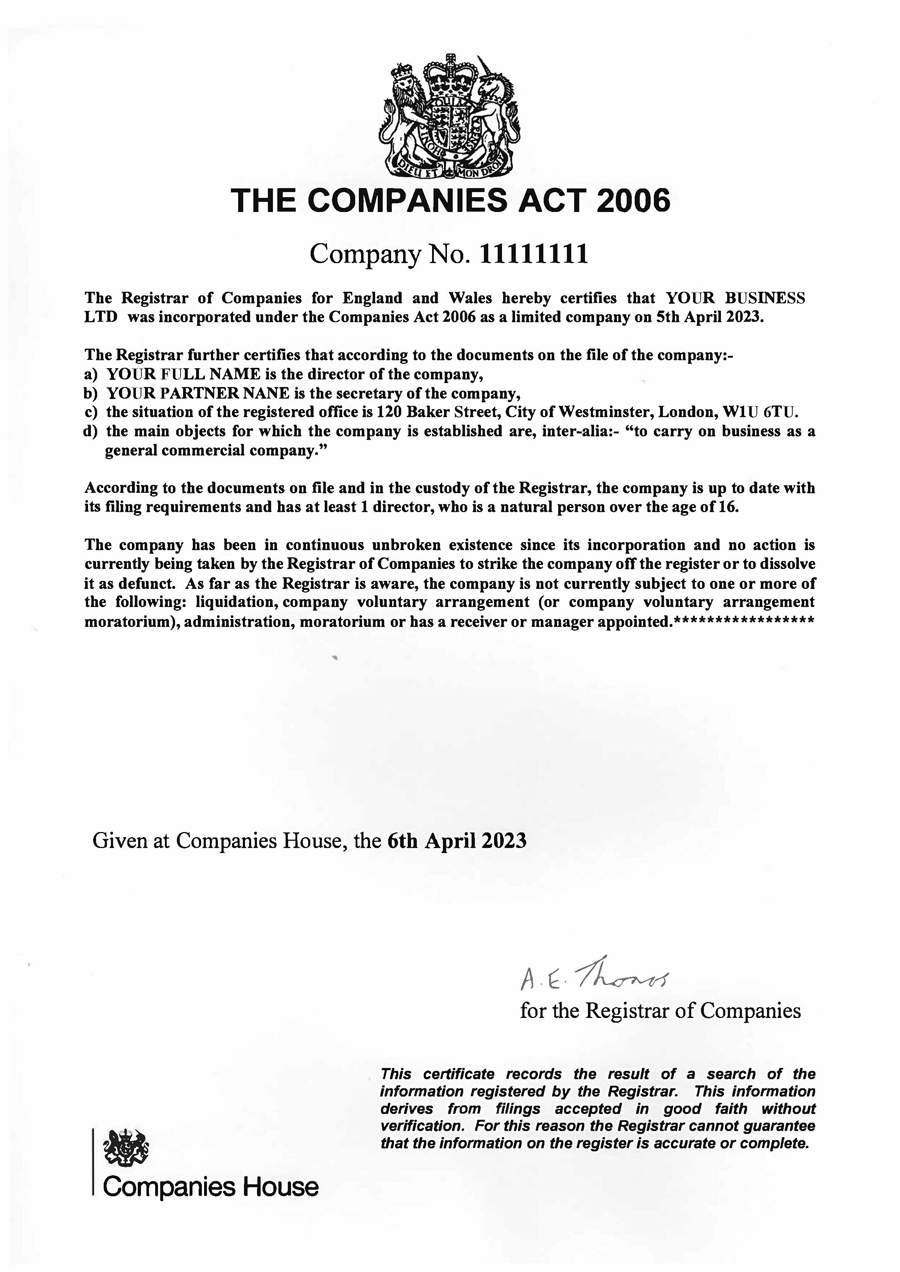
PropertyForm Essential™ is designed for property owners, leaseholders, residents' groups and community organisations that already understand their intended property-management project, proposed corporate structure and governance arrangements and primarily require professional assistance establishing the relevant company. The service provides essential company formation support within the agreed scope. You provide the proposed company name, directors, members and relevant organisational information; Coddan's experts manually review the formation information before submission to Companies House, prepare the company formation documentation and progress the incorporation process within the agreed scope. Formation of an RTM or other property-management company does not itself establish statutory Right to Manage or determine property-law eligibility; those matters should be considered with the relevant adviser where required.

Property & Community Management Company Formation — Essential Corporate Setup
The formation can accommodate one or more directors, individual or corporate members or shareholders, and different participation arrangements, where applicable to the selected corporate structure. Your proposed property-management project, intended company purpose and governance arrangements can be considered within the agreed formation scope. An initial consultation is available by email, telephone or video call. Coddan's experts manually review the formation information before the Companies House submission, prepare the applicable documentation and support the incorporation process within the agreed scope. Following successful Companies House incorporation, digital incorporation documents are provided.
Included:
• Relevant company incorporation and Companies House registration
• £100 Companies House filing fee
• One or more directors
• Individual or corporate members, shareholders or guarantors, where applicable
• Proposed company purpose and corporate objects, within the agreed scope
• Memorandum and Articles of Association and core formation documentation
• Applicable Companies House identity-verification guidance
• Professional pre-submission review and Companies House submission
• Essential preparation and support for the selected property-management formation route
• Preparation of relevant company formation information and supporting documentation within the agreed scope
• Professional support with the applicable Companies House incorporation process
• Digital incorporation documents
Normal 24–48 hour formation, subject to a complete application and Companies House processing
Specialist RTM, legal, property, tax or other professional advice remains with the appropriate adviser


£349.99
+VAT

PropertyForm Professional™

Recommended for

2
package

Buy Now Professional Property & Community Management Company Formation + Registered Office — £349.99 + VAT · Companies House incorporation and professional corporate formation support
PropertyForm Professional™ is designed for property owners, leaseholders, residents' groups and community organisations that require more comprehensive professional assistance establishing their property-management company together with a professional UK registered office arrangement. The service combines the corporate formation stage with registered office and related corporate correspondence support within the agreed scope. You provide the proposed company name, directors, members or shareholders and relevant organisational information; Coddan's experts manually review the proposed structure and formation information before submission to Companies House, prepare the formation documentation and provide professional assistance throughout the relevant incorporation stages. Formation of an RTM or other property-management company does not itself establish statutory Right to Manage or determine property-law eligibility; any specialist RTM, legal, property, tax or other professional advice should be obtained from the relevant adviser where required.

Property & Community Management Company Formation + Registered Office Support
The formation can accommodate one or more directors, individual or corporate members or shareholders, and different participation arrangements, where applicable. Your proposed property-management project, company purpose and relevant governance information can be considered within the agreed scope. An initial consultation is available by email, telephone or video call. Coddan's experts manually review the proposed structure and supporting information before the Companies House submission, prepare the applicable incorporation documentation and provide professional support through the formation process. Following successful incorporation, digital company documents are provided together with the applicable registered office and corporate correspondence support within the agreed service period.
Included:
• Company incorporation and Companies House registration
• £100 Companies House filing fee
• One or more directors
• Individual or corporate members or shareholders, where applicable
• Proposed company purpose and corporate objects, within the agreed scope
• Consideration of proposed governance arrangements within the agreed scope
• Memorandum and Articles of Association and core formation documentation
• Applicable Companies House identity-verification guidance
• Professional pre-submission review and Companies House submission
• Professional formation preparation and support within the agreed scope
• Professional UK registered office arrangement
• Related corporate correspondence support within the agreed service period
• Digital incorporation documents
Normal 24–48 hour formation, subject to a complete application and Companies House processing
Specialist RTM, legal, property, tax, accounting or other professional advice remains with the appropriate adviser


£499.99
+VAT

PropertyForm Enhanced™

Recommended for

3
package

Buy Now Enhanced Property & Community Corporate Setup — £499.99 + VAT · Companies House incorporation and enhanced corporate setup support
PropertyForm Enhanced™ is designed for property owners, leaseholders, residents' groups and community organisations that require a more comprehensive corporate setup for their property-related project. The service combines the company formation stage with enhanced corporate preparation and first-year compliance guidance within the agreed scope. You provide the proposed company name, directors, members, shareholders or other relevant organisational information; Coddan's experts manually review the proposed structure and formation information before submission to Companies House, prepare the formation documentation and provide professional assistance throughout the relevant stages. The appropriate corporate structure and any specialist legal, property, tax or other professional advice should be determined with the relevant adviser where required.

Property & Community Corporate Setup — Enhanced Formation & Compliance Support
The formation can accommodate one or more directors, individual or corporate members or shareholders and different participation arrangements, where applicable. Your proposed property project, company purpose and relevant governance information can be considered within the agreed scope. An initial consultation is available by email, telephone or video call. Coddan's experts manually review the proposed structure and formation information before the Companies House submission, prepare the applicable documentation and provide professional support through the formation process. Following successful incorporation, digital company documents are provided together with enhanced corporate setup and first-year compliance guidance within the agreed scope.
Included:
• Company incorporation and Companies House registration
• £100 Companies House filing fee
• One or more directors
• Individual or corporate members or shareholders, where applicable
• Proposed company purpose and corporate objects, within the agreed scope
• Consideration of proposed governance arrangements within the agreed scope
• Memorandum and Articles of Association and core formation documentation
• Applicable Companies House identity-verification guidance
• Professional pre-submission review and Companies House submission
• Enhanced formation preparation and professional support within the agreed scope
• Review of relevant corporate information and supporting documentation within the agreed scope
• Enhanced corporate setup support
• First-year compliance guidance within the agreed scope


£749.99
+VAT

PropertyForm Bespoke™

Recommended for

4
package

Buy Now Bespoke Bespoke Property & Community Corporate Structure — £749.99 + VAT · Companies House incorporation and bespoke corporate structure support
PropertyForm Bespoke™ is designed for property owners, leaseholders, residents' groups and community organisations with more complex property, estate or community arrangements requiring more detailed pre-incorporation preparation and corporate coordination. The service combines the company formation stage with enhanced structural preparation and bespoke coordination within the agreed scope. You provide the proposed company name, directors, members, shareholders and relevant project information; Coddan's experts manually review the proposed structure and formation information before submission to Companies House, prepare the formation documentation and provide professional assistance throughout the relevant stages. The appropriate corporate structure and any specialist legal, property, tax or other professional advice should be determined with the relevant adviser where required.

Bespoke Property & Community Corporate Structure — Enhanced Formation & Coordination Support
The formation can accommodate one or more directors, individual or corporate members or shareholders and different participation arrangements, where applicable. Your proposed property project, company purpose and relevant governance information can be considered within the agreed scope. An initial consultation is available by email, telephone or video call. Coddan's experts manually review the proposed structure and formation information before the Companies House submission, prepare the applicable documentation and provide professional support through the formation process. Following successful incorporation, digital company documents are provided together with enhanced structural preparation and bespoke corporate coordination within the agreed scope.
Included:
• Company incorporation and Companies House registration
• £100 Companies House filing fee
• One or more directors
• Individual or corporate members or shareholders, where applicable
• Proposed company purpose and corporate objects, within the agreed scope
• Consideration of proposed governance arrangements within the agreed scope
• Memorandum and Articles of Association and core formation documentation
• Applicable Companies House identity-verification guidance
• Professional pre-submission review and Companies House submission
• Enhanced formation preparation and professional support within the agreed scope
• Detailed review of relevant corporate information and supporting documentation within the agreed scope
• Enhanced structural preparation and bespoke corporate coordination
• Digital incorporation documents
Normal 24–48 hour formation, subject to a complete application and Companies House processing
Specialist legal, property, tax, accounting or other professional advice remains with the appropriate adviser


At a Glance

Which Property Situation Applies?

Property-management company formation can arise in different circumstances. Start with the property, ownership or management situation you are dealing with, then consider the corporate structure and formation route that may be appropriate.

Leasehold Developments Management arrangements connected with leasehold developments, shared property responsibilities, leaseholder participation or communal facilities.
Apartment & Block Management Company arrangements connected with managing an apartment block, residential block, shared facilities or common areas.
Residential Estates Arrangements for residential estates involving shared areas, estate facilities, services or collective management responsibilities.
Residents' Management Resident-led or member-based arrangements where residents participate in managing their building, development, shared areas or facilities.
Right to Manage (RTM) A specific statutory Right to Manage situation involving qualifying leaseholders, subject to the property's eligibility, statutory requirements and applicable procedure.
Freehold & Common Areas Companies or other arrangements connected with freehold ownership, communal areas, estate facilities or shared property responsibilities.
Community & Property Projects Member-based property or community projects where an appropriate corporate structure and governance arrangement may be required.

Start with the situation, not the company type. RTM, RMC, residents' management, freehold management and Company Limited by Guarantee (CLG) or Limited by Guarantee company (LBG) describe different aspects of a property or corporate arrangement. They should not automatically be treated as interchangeable. The appropriate structure depends on the property's circumstances, intended management arrangements and applicable legal requirements.

This overview is intended to help you identify the relevant situation. It does not determine RTM eligibility or replace specialist property or legal advice.

Your Formation Journey

Your Property Management Formation Journey

Property-management company formation can involve more than simply registering a company. The correct route depends on the property, management objective, participants and legal framework. Where Right to Manage is being considered, incorporation is only the corporate foundation for a separate statutory process.

1 Understand the Property Identify the building, leasehold or ownership arrangements, number and type of units, and the management situation that needs to be addressed.
2 Identify the Appropriate Route Consider whether the project involves an RMC, an RTM company, a CLG/LBG or another corporate arrangement. An RTM route has separate statutory eligibility and procedural requirements.
3 Establish the Corporate Structure Determine the proposed company, directors, members or shareholders, registered office, governance arrangements and other information required for incorporation.
4 Incorporate the Company Complete the applicable identity-verification, formation and Companies House requirements and establish the corporate vehicle for the intended property-management project.
5 If RTM — Begin the Statutory Process An RTM company must follow the applicable statutory procedure after incorporation, including the relevant participation, notice and claim requirements.
6 Operate & Maintain the Company Following incorporation — and, where applicable, acquisition of RTM — maintain the company's statutory records, filings, governance and other ongoing obligations.
Important RTM Distinction

Incorporation Does Not Automatically Give the Company the Right to Manage

Where the project is intended to use the Right to Manage, forming the RTM company is only one stage of the process. The RTM company must separately satisfy the applicable statutory requirements and follow the prescribed procedure for making the RTM claim.

Depending on the circumstances, the statutory process can involve qualifying leaseholders becoming members, notices inviting participation, serving a notice of claim on the relevant parties, responding to any counter-notice or dispute, and potentially an application to the First-tier Tribunal (Property Chamber). The precise procedure should be checked against the applicable legislation and current guidance.

The RTM Route Has Its Own Procedural Stages

1. RTM Company Establish the dedicated RTM company and its membership.
2. Participation Follow the applicable requirements concerning qualifying leaseholders and participation.
3. Claim Notice Serve the prescribed RTM claim notice on the relevant parties.
4. Response / Dispute Allow for the statutory response period and address any counter-notice or dispute where applicable.
5. Tribunal Where Required Certain disputes or procedural problems may require an application to the First-tier Tribunal.
6. Management Transfer If the RTM claim succeeds, management responsibilities transfer in accordance with the statutory regime.

If You Are Forming an RMC Rather Than Exercising RTM

The RTM statutory claim process described above does not automatically apply to every Residential Management Company (RMC). An RMC's role depends on the property's ownership, leases, contractual arrangements and governance structure. The company may therefore have a different operational and legal pathway from an RTM company.

Important: This roadmap explains the relationship between company formation and the wider property-management process. It does not determine whether a particular building qualifies for RTM, whether a particular person is a qualifying leaseholder, whether the required statutory notices are valid, or whether a tribunal application is appropriate. RTM eligibility, lease interpretation, property law and procedural disputes should be considered with the appropriate specialist adviser.

Understand the Terminology

Understanding RTM, RMC and Property Management Arrangements

Terms such as RTM, RMC, residents' management, leasehold management and property management can describe different aspects of a residential or property arrangement. Understanding the terminology first helps you identify what needs to be established, who will participate and which corporate questions need to be considered.

What Is a Residential Management Company (RMC)?

A Residential Management Company (RMC) is a company used in connection with the management of residential property. Depending on the underlying arrangement, it may be involved in managing communal areas, services, facilities or other shared responsibilities within a residential building or development.

“RMC” is a broad property-management term rather than a single corporate structure. An RMC should therefore not automatically be treated as an RTM company, a Company Limited by Guarantee or a company limited by shares. The appropriate arrangement depends on the property and the rights and responsibilities involved.

What Is a Right to Manage (RTM) Company?

A Right to Manage (RTM) company is associated with the statutory Right to Manage mechanism. RTM is therefore not simply another name for a residential management company or a generic company formed to manage a block.

RTM involves specific statutory requirements and procedures. Whether a property and its qualifying leaseholders can use the RTM route depends on the applicable legal framework and the circumstances of the property. Company formation is one part of the wider process and does not, by itself, establish eligibility for the Right to Manage.

What Is a Residents' Management Company?

A residents' management company is a company or corporate arrangement through which residents or other members participate in managing aspects of a building, development or shared property. It can be relevant where residents want a formal structure for collective management, decision-making and shared responsibilities.

Leasehold Management

Leasehold management concerns the management of property where ownership and occupation are governed by leasehold interests. Depending on the development, arrangements may cover common areas, services, facilities, maintenance responsibilities or other shared obligations.

A leasehold management company can therefore form part of a wider arrangement, but the existence of leasehold property does not by itself determine the corporate structure. The leases, property arrangements and intended responsibilities need to be considered separately.

Freehold and Common-Area Management

A company may also be established or used in connection with freehold ownership, communal areas, estate facilities or shared property responsibilities. This can be materially different from a leasehold management arrangement or an RTM process. The intended ownership and management responsibilities should therefore be established before selecting the corporate route.

Flat, Apartment and Block Management

A flat management company, apartment management company or residential block management company may be used in connection with the management of common areas, shared facilities, services or other collective responsibilities.

These expressions describe the property-management purpose rather than automatically determining the company's legal form. Depending on the circumstances, the arrangement may connect with an RMC, residents' management, RTM or another corporate structure.

Residential Estates and Developments

Larger residential estates and developments may involve arrangements covering roads, communal spaces, landscaping, facilities, services or other shared estate responsibilities. The corporate arrangement depends on what the company is intended to own, manage, administer or coordinate and how residents, owners or other participants are expected to participate.

The Same Property May Involve More Than One Concept

A residential development might involve an RMC, residents' management arrangement, leasehold management company or freehold management company, while a qualifying leasehold property may also involve an RTM company. These terms describe different aspects of the overall arrangement and are not interchangeable.

The corporate question comes separately: should the relevant company be a Company Limited by Guarantee (CLG), also commonly described as a Limited by Guarantee company (LBG), a company limited by shares, or another appropriate structure? That question should be considered against the actual property, membership, ownership and governance requirements.

Next: Once the terminology is clear, the important decision is understanding RTM company vs RMC and how the two arrangements differ.

Choose the Correct Corporate Route

RTM Company, RMC or Flat Management Company?

Property-management projects can involve different corporate structures, and the terms RTM company, Residential Management Company (RMC) and Flat Management Company (FMC) should not be treated as interchangeable. The correct route depends on the property's legal and management arrangements.

Statutory Route

RTM Company

An RTM company is the corporate vehicle used in connection with the statutory Right to Manage regime under the Commonhold and Leasehold Reform Act 2002.

Its incorporation is therefore only one part of an RTM project. The statutory eligibility requirements and subsequent RTM procedure must be considered separately.

Management Structure

Residential Management Company

An RMC is a broader corporate arrangement commonly associated with the management of residential property, communal areas or obligations arising from the relevant ownership and lease arrangements.

An RMC should not automatically be described as an RTM company simply because it performs property-management functions.

Contractual / Management Route

Flat Management Company

A Flat Management Company (FMC) may be used where the management arrangements arise from the property's ownership, leases or other contractual framework rather than the statutory RTM regime.

Its constitution, membership and governance should reflect the underlying property arrangements rather than being assumed from the RTM model.

Why the Distinction Matters

Choosing a company name or ordering a standard formation package does not, by itself, determine the company's legal function. Before incorporation, it is important to understand whether the project involves a statutory RTM process, an existing or proposed management company, or another property-specific corporate arrangement.

This distinction can affect matters such as the company's purpose, membership, articles, governance, relationship with leaseholders and its role within the wider property structure. Formation should therefore follow an informed decision about the corporate route.

If You Are Considering an RTM Company

An RTM company is not simply a conventional property-management company with “RTM” added to its name. The statutory RTM regime has its own eligibility conditions, company requirements and procedural framework.

In particular, the company's formation should be considered in the context of the qualifying building, qualifying leaseholders, membership requirements and the intended Right to Manage process. Where those legal questions have not yet been established, specialist property or legal advice should be obtained before relying on the formation structure.

1. Property Understand the building and ownership arrangement.
2. Legal Route Establish whether RTM or another management route applies.
3. Corporate Structure Align the company structure with the intended role.
4. Incorporation Proceed with the appropriate formation process.

Important: This section explains the distinction between common corporate routes; it does not determine whether a particular building qualifies for Right to Manage or provide legal advice on the RTM procedure. Questions concerning RTM eligibility, lease interpretation, statutory notices, membership or property law should be considered with the appropriate specialist adviser.

RTM Lifecycle

From RTM Company to Right to Manage

Forming an RTM company is an important corporate step, but incorporation does not itself give the company the Right to Manage. The statutory RTM process is a separate stage involving eligibility, participation, statutory notices and prescribed procedures.

Corporate Stage

Form the RTM Company

The company is incorporated with the appropriate corporate information, directors, members, registered office and governance arrangements required for the proposed RTM structure.

Statutory Stage

Exercise the Right to Manage

The RTM company must then proceed through the applicable statutory process. This is distinct from incorporation and may involve qualifying conditions, participating leaseholders, prescribed notices, response periods and other statutory requirements.

The RTM Process Does Not End at Companies House

1 Consider Eligibility Establish whether the relevant building and leasehold circumstances satisfy the statutory RTM conditions.
2 Identify Participants Establish the participating leaseholders and the membership or participation requirements applicable to the claim.
3 Prepare the Claim Prepare the information, documentation and statutory steps required for the proposed RTM claim.
4 Serve Required Notices Follow the applicable statutory notice procedure and prescribed timescales.
5 Complete the Process Deal with any applicable responses, procedural requirements or further statutory steps.

Why This Distinction Matters

A company can therefore be correctly incorporated without having acquired the statutory Right to Manage. Conversely, an RTM project may require careful coordination between the company's corporate structure and the separate statutory procedure.

This is why an RTM formation service should be understood as the corporate foundation of the project, rather than as a guarantee that the statutory RTM process will succeed.

i
Where Coddan Fits

Coddan provides the company formation and corporate-services layer of the project, within the agreed scope of the selected service. Questions concerning RTM eligibility, lease interpretation, statutory notices, property law or disputes should be addressed to the appropriate specialist adviser.

In simple terms: first establish whether the RTM route is appropriate; then form the RTM company correctly; then follow the separate statutory process for exercising the Right to Manage.

Choosing the Company Type

Choosing the Corporate Structure for Property Management

Once the property's management requirements and any proposed RTM or residential management route have been identified, a separate question arises: what type of company should be used? The corporate structure should support the underlying property arrangement rather than being selected simply because a particular company type is commonly associated with property management.

First Separate the RTM Question from the Company-Type Question

Right to Manage and corporate structure are related, but they are not the same question. Establishing which company structure may be appropriate does not itself establish a statutory Right to Manage, and incorporating a company does not by itself make a property eligible for RTM.

Where an RTM route is being considered, the property's qualifying conditions, participating leaseholders, statutory procedure and other applicable requirements should be considered separately. The company is then considered within that wider legal and property context.

Company Limited by Guarantee

CLG — also commonly described as an LBG

A Company Limited by Guarantee (CLG), also commonly described as a Limited by Guarantee company (LBG), is a company with members and no share capital. Instead of shareholders holding shares, the company operates through its members, who generally agree to contribute a specified amount to the company's assets if it is wound up, subject to the company's constitutional arrangements.

This membership-based structure can be relevant where the project requires collective participation, defined membership and governance without shareholder ownership. It may therefore be relevant to some residential, residents' or community-oriented property arrangements, but it is not automatically required simply because a project involves an RMC or RTM.

CLG / LBG Compared with a Company Limited by Shares

The principal distinction concerns the company's membership and capital structure. This distinction should be kept separate from the question of whether the company is being used in connection with RTM, residential management, freehold management or another property arrangement.

Membership Structure

CLG / LBG

Members: The company has members rather than shareholders.

Share capital: There is no share capital.

Guarantee: Members generally undertake a specified guarantee, subject to the company's constitutional arrangements.

Governance: The company operates through a membership-based structure rather than shareholder ownership.

Share Structure

Company Limited by Shares

Shareholders: The company has shareholders who hold shares in the company.

Share capital: The company has share capital divided into shares.

Ownership: Shares can represent ownership interests and may carry particular rights depending on the company's constitution and share structure.

Governance: The corporate structure is based on shareholders and shares rather than membership without share capital.

At a Glance: What Each Question Answers

RTM A statutory Right to Manage route with its own qualifying and procedural requirements.
RMC A broader term describing a company involved in residential or property management.
CLG / LBG A membership-based company structure with members, a guarantee and no share capital.
Limited by Shares A shareholder-based company structure with shares and share capital.

When May a CLG / LBG Be Relevant to Property Management?

A Company Limited by Guarantee for property management may be considered where the project is intended to operate through members and a defined governance arrangement, rather than shareholders holding shares in the company.

Depending on the circumstances, a CLG/LBG may be relevant to certain residential management arrangements, residents' management structures, leasehold property projects, communal-area arrangements, property or community projects and other member-based structures. This does not mean that every residential management company, RMC or property-management company should be incorporated as a CLG/LBG.

Residential CLG formation CLG for property management Residents' management Leasehold projects Property & community projects

If You Are Pursuing RTM, the Company Structure Is Only One Part of the Process

For an RTM project, the formation of the company should be considered alongside the statutory RTM process, qualifying leaseholders, property eligibility, required notices, participation and the transfer of management responsibilities.

The corporate-services provider can assist with the company formation and applicable corporate administration, but incorporation should not be presented as the legal act that grants the Right to Manage. The statutory property and leasehold process remains a separate matter.

CLG / LBG Does Not Automatically Define an RTM or RMC

An RTM company is connected to a specific statutory Right to Manage mechanism, while an RMC is a broader property-management concept. Neither label should be inferred solely from whether the underlying company has members and no share capital. Conversely, identifying a company as a CLG/LBG does not by itself establish that it is an RTM company, confirm RTM eligibility or determine the company's management rights.

The Property Situation Comes First

There is no universal company structure for every property-management project. The appropriate corporate route depends on the property's ownership and management arrangements, the intended members or shareholders, governance requirements and any applicable statutory or contractual framework.

Where an RTM arrangement is involved, its statutory requirements must be considered separately. A CLG/LBG may be relevant to some property or residential arrangements, but the company type should follow the project's requirements, not determine them in advance.

This section explains corporate structure; it does not determine RTM eligibility or provide a property-law determination. It is intended to help property owners, residents, developers, freeholders and other project participants understand the distinction between the statutory RTM route, the broader RMC concept and the underlying company structure before proceeding to formation. Specialist property, leasehold, RTM, legal, tax or accounting advice should be obtained where those issues fall outside the corporate-formation process.

Property Situation & Structure

Which Structure May Fit Your Situation?

The right starting point is not simply choosing a company type. First identify the property, management arrangement, participants and responsibilities involved. This helps distinguish between RTM company formation, RMC formation, leasehold management, residents' management, freehold management or another property-management structure.

This is a decision-orientation guide, not a legal recommendation. The appropriate route depends on the particular property, ownership and lease arrangements, participating owners, governance requirements and applicable statutory framework.

01

Leasehold Development

A leasehold development may involve a leasehold management company or another corporate arrangement for shared areas, services or management responsibilities.

Investigate the leases, ownership structure, management obligations and rights of the participating owners before deciding on the company structure.

02

Apartment or Residential Block

An apartment or residential block may involve a flat management company, block management company or Residential Management Company (RMC).

Consider who owns the building or common parts, who will manage them and what authority the company is expected to have.

03

Residential Estate

A residential estate may involve roads, communal spaces, landscaping, facilities or other shared responsibilities requiring a residential management company.

Establish what the company will manage, who participates and whether different ownership or management arrangements apply across the development.

04

Residents' Management

A residents' management company may be relevant where residents or other participating owners are expected to manage defined aspects of a building or development.

Consider the proposed members, decision-making arrangements, management responsibilities and whether a member-based corporate structure is appropriate.

05

Right to Manage (RTM) Situation

If the project concerns RTM company formation, the first question is whether the property and participating leaseholders fall within the applicable Right to Manage framework.

RTM is a specific statutory mechanism. Forming the company is only the corporate starting point; the statutory RTM claim and acquisition process must be considered separately.

06

Freehold or Common Areas

A company may be involved in freehold ownership, common-area management, estate facilities or shared property responsibilities.

Establish whether the proposed company will own property, manage common areas, enter contracts or coordinate services, as these functions may affect the appropriate structure.

07

Property or Community Project

Some property or community projects are designed around members, shared objectives or collective governance rather than conventional shareholder ownership.

Investigate the project's purpose, participants, assets, governance and activities before considering a CLG/LBG, company limited by shares or another corporate arrangement.

What Should You Establish Before Formation?

Before ordering a property management company formation, identify the practical and legal questions that determine what the company is intended to do. This helps separate the property-management requirement from the later corporate-formation decision.

Property Arrangement Who owns, occupies, manages or has rights in the property, building or common areas?
Participants Who will be directors, members, guarantors, shareholders or other participants?
Management Responsibilities What exactly will the company own, manage, administer, maintain or coordinate?
Governance Model How will decisions be made and how will members, shareholders or residents participate?
Legal & Contractual Framework Are there statutory, leasehold, contractual, title or other requirements affecting the proposed arrangement?
Corporate Structure Does the project require members and no share capital, shareholders and share capital, or another corporate arrangement?
RTM Procedural Pathway

From RTM Company Formation to the Right to Manage

If your situation is specifically an RTM project, it is important to understand that company incorporation is not the same as acquiring the Right to Manage. The corporate and statutory stages are connected, but they are separate parts of the overall process.

STAGE 1
Check the RTM Framework Establish whether the building, leases and participating leaseholders appear to fall within the applicable statutory RTM requirements.
STAGE 2
Set Up the RTM Company Establish and register the RTM company with the appropriate corporate information, directors, registered office and constitutional arrangements.
STAGE 3
Invite Participation The RTM process includes inviting qualifying leaseholders to participate in the RTM company and dealing with the company's membership requirements.
STAGE 4
Serve the Claim Notice Once the applicable participation requirements are met, the RTM company serves the prescribed notice of claim on the relevant parties.
STAGE 5
Counter-Notice or Dispute The landlord may accept the claim or serve a counter-notice disputing entitlement. Any dispute must be dealt with under the applicable RTM procedure.
STAGE 6
Tribunal Where Required Where the claim is disputed, the RTM company may need to apply to the First-tier Tribunal (Property Chamber) within the applicable statutory period.
STAGE 7
Acquisition Date If the RTM claim succeeds, management transfers to the RTM company on the applicable acquisition date and the company assumes the relevant management responsibilities.
STAGE 8
Ongoing Management The RTM company then operates the management function, either directly or through an appointed managing agent, subject to its legal and corporate responsibilities.

Key distinction: forming an RTM company does not by itself give the company the Right to Manage. The statutory claim process, prescribed notices, participation requirements, potential dispute procedure and acquisition stage remain relevant.

Considering RTM Company Formation?

Treat the corporate formation and the RTM claim as two connected but separate stages. The company needs to be established appropriately before it can operate as the RTM company, but incorporation alone does not establish entitlement to acquire management of the building.

RTM projects can involve qualifying-leaseholder questions, participation requirements, prescribed notices, landlord responses, statutory deadlines and, where necessary, First-tier Tribunal proceedings. Coddan can support the corporate-formation element within its agreed scope, while property-law and statutory RTM questions should be considered with an appropriately qualified property or legal adviser.

What Should You Establish Before Choosing the Route?

Before ordering a property management company formation, establish what the company is actually expected to do. For an RTM project, this should be considered alongside the statutory requirements rather than after the company has already been formed.

Property Arrangement What type of building or development is involved and what property interests exist?
Qualifying Participants Which leaseholders or other participants are involved and who is expected to become a member?
Management Responsibilities What management functions, communal responsibilities and service arrangements are expected?
Governance Model How will the company be governed and how will participating members exercise their rights?
RTM Procedure If RTM is being pursued, have the participation, notice, response and acquisition stages been considered?
Corporate Structure Does the project require an RTM company, RMC, company limited by guarantee, company limited by shares or another arrangement?

Identify the Questions Before Choosing the Company

There is no single company structure that applies to every property-management situation. An RMC, residents' management company, leasehold management company, block management company, freehold management company or RTM company can arise in different circumstances. Similarly, a Company Limited by Guarantee (CLG), also commonly described as a Limited by Guarantee company (LBG), is not automatically required simply because a project involves residential property or residents.

Once the property's requirements and, where relevant, the RTM pathway have been identified, the next stage is to prepare the information needed for the appropriate corporate formation route.

RTM Process

How the Right to Manage Process Works

Setting up an RTM company is only the corporate starting point. The statutory Right to Manage process involves eligibility, leaseholder participation, prescribed notices, response periods and, where necessary, Tribunal proceedings before management can transfer to the RTM company.

An RTM Company Is Not the Same as Acquiring the Right to Manage

Incorporation creates the company; it does not itself transfer management. The RTM company is the corporate vehicle through which qualifying leaseholders pursue the statutory Right to Manage process. The building must qualify, the participation requirements must be satisfied and the prescribed claim procedure must be followed.

The distinction is important because an RTM company can exist without having yet acquired the Right to Manage. The company must complete the relevant statutory process before it can formally take over the management of the qualifying premises.

STEP 1

Check Whether the Premises Qualify

Before starting the RTM claim, the building, leases, ownership arrangements and relevant statutory conditions should be considered to establish whether the premises appear to qualify for the Right to Manage.

STEP 2

Establish the RTM Company

The qualifying leaseholders establish and register the RTM company with the appropriate corporate structure, constitution, directors and membership arrangements.

STEP 3

Invite Leaseholders to Participate

The RTM company sends a Notice Inviting Participation to the leaseholders, giving them the opportunity to become members of the RTM company.

STEP 4

Satisfy the Participation Requirement

At least half of the flats in the building generally need to have qualifying leaseholders who are members before the claim notice can be served. The precise statutory requirements should be checked for the particular premises.

STEP 5

Serve the Notice of Claim

Once the participation requirements are met, the RTM company serves the prescribed Notice of Claim on the landlord and other parties who must receive it under the applicable legislation.

STEP 6

Allow the Counter-Notice Period

The landlord has a statutory period to respond. The counter-notice may accept the RTM company's entitlement or dispute it by stating the grounds on which the claim is challenged.

STEP 7

Deal With Any Dispute

If entitlement is disputed, the RTM company may need to apply to the First-tier Tribunal (Property Chamber) in England within the applicable statutory period. In Wales, the applicable Tribunal procedure differs.

STEP 8

Reach the Acquisition Date

If the claim is accepted or successfully determined, the RTM company acquires the Right to Manage on the applicable acquisition date. The timing depends on whether the claim was disputed.

STEP 9

Take Over Building Management

On acquisition, the RTM company takes over the relevant management functions. This may require arrangements for service charges, insurance, contractors, managing agents, records, budgets and other operational responsibilities.

STEP 10

Continue Corporate & Property Management

After acquisition, the company continues to operate as a corporate entity while carrying out its management responsibilities. Ongoing company administration and building-management obligations must be maintained separately.

Key RTM Timing Points

The RTM procedure contains statutory intervals that affect when the claim can progress. These should be planned before notices are served rather than treated as administrative details after the company has been incorporated.

Notice inviting participation At least 14 days before claim notice Minimum 1-month counter-notice period Acquisition date at least 3 months after counter-notice deadline Tribunal application if entitlement is disputed

The RTM Process Also Requires Handover Planning

The statutory claim is not the only practical task. Before the acquisition date, the RTM company should consider how the building will actually be managed once control transfers. This can include reviewing existing contracts, deciding whether to appoint a managing agent, planning insurance and maintenance arrangements, and preparing for service-charge administration.

Managing agent Service charges Buildings insurance Maintenance contracts Building information Reserve funds

Think of RTM as Two Connected Processes

The strongest way to understand the process is to separate the corporate formation stage from the statutory RTM acquisition stage. They are connected, but they are not the same legal process.

Corporate Formation Company structure, name, directors, members, registered office, identity verification, incorporation and Companies House requirements.
Statutory RTM Acquisition Qualification, participation, notices, counter-notice, Tribunal proceedings where applicable, acquisition and operational transfer of management.

Important: Formation Support Is Not RTM Legal Representation

PropertyForm covers the corporate formation element within the selected service scope. It does not by itself establish that a building qualifies for RTM, prepare or validate the legal merits of a claim, provide lease interpretation, guarantee a successful RTM claim, or represent an RTM company in contested Tribunal proceedings. Where eligibility, prescribed notices, disputes, Tribunal applications or other specialist property-law issues arise, the appropriate specialist adviser should be consulted.

If you are considering RTM, first establish whether the statutory route appears appropriate and understand the participation and procedural requirements. If you then need the corporate vehicle, the next step is to consider the RTM company formation requirements and available PropertyForm packages.

View PropertyForm Packages
Formation Preparation

What Information Is Needed to Form the Company?

Once you have identified the property-management situation and considered the corporate structure that may be relevant, the next stage is to prepare the information required for incorporation.

The information required can differ between a Residential Management Company (RMC), an RTM company, a residents' management arrangement, a Company Limited by Guarantee (CLG) or a company limited by shares.

01

Company Name

Provide the proposed company name so that its availability and applicable Companies House requirements can be considered as part of the formation process.

02

Directors

Identify the proposed directors and provide the personal and appointment information required for their role and the applicable Companies House filing.

03

Members or Shareholders

Depending on the company type, identify the relevant members or guarantors, or shareholders. A CLG/LBG has members and no share capital; a company limited by shares has shareholders and share capital.

04

Corporate Participants

Where a corporate participant is proposed and permitted, the relevant corporate information will need to be provided for the proposed director, member, guarantor or shareholder role.

05

Registered Office

Provide the company's registered office address or select an applicable professional registered office service where this forms part of the selected formation package.

06

Purpose or Objects

Explain the company's intended activities or corporate purpose so that the formation documentation can reflect the proposed organisation within the agreed corporate-services scope.

07

Property or Project Information

Provide relevant information about the leasehold development, apartment block, residential estate, common areas, residents' arrangement, RTM situation or property/community project for which the company is being established.

08

Governance Information

Consider how directors and members or shareholders will participate, how decisions are expected to be made and what governance arrangements the property-management project requires.

09

Identity Verification

Complete the applicable Companies House identity-verification requirements for the relevant individuals. The available route can depend on the person's circumstances and the applicable Companies House process.

Important for RTM Situations

An RTM Company Is Part of a Wider Statutory Process

If the project involves Right to Manage (RTM), forming the company is only one stage of the wider process. The company information needed for incorporation should therefore be distinguished from the information and legal steps relevant to exercising the statutory Right to Manage.

Depending on the circumstances, the RTM project may require consideration of the qualifying building, leasehold structure, qualifying tenants, participating leaseholders, the proposed RTM company and the statutory notices and procedure. These matters should be assessed against the applicable RTM legislation and are separate from the company's incorporation application.

Qualifying building Leasehold structure Qualifying tenants Participating leaseholders RTM company Statutory notices

Company Formation and the RTM Procedure Are Different Stages

Corporate Formation Establishes the company through the applicable incorporation process, including its directors, members, registered office and Companies House information.
RTM Qualification Concerns whether the particular building and leaseholder circumstances satisfy the statutory requirements for the Right to Manage regime.
RTM Procedure Involves the applicable statutory process, including the relevant notices, participants, time limits and steps required to pursue acquisition of the Right to Manage.
Formation & Compliance Gateway

From Information Check to Incorporation

The formation process is easier to manage when the corporate information, property context and applicable identity requirements are considered in the correct order.

1. Confirm Confirm the property situation and the intended corporate route.
2. Prepare Gather company, participant and property/project information.
3. Review Review the formation information for obvious omissions or inconsistencies.
4. Verify Complete the applicable identity-verification and compliance requirements.
5. Submit Submit the completed incorporation application to Companies House.

What Happens If Information Is Missing?

A complete application helps reduce avoidable queries and allows the proposed property-management company structure and formation information to be considered before submission. If information is missing or clarification is required, Coddan may contact you before the application is submitted.

Legal, property, tax, accounting and other specialist advice remains with the appropriate professional adviser. Coddan's formation support does not determine RTM eligibility, interpret leases, advise on property rights or replace specialist advice concerning the underlying property arrangement or statutory process.

Have Your Formation Information Ready?

Once the property situation, corporate structure and required information have been considered, you can move from formation preparation to the appropriate PropertyForm package.

Explore PropertyForm Packages
Professional Formation & Compliance Support

How Coddan Supports the Corporate Side of Your Property Project

Once the property situation, management objective and appropriate corporate route have been considered, Coddan can support the company formation, identity-verification and corporate administration elements of the project within the agreed scope.

For an RTM project, this distinction is particularly important: forming the RTM company is not the same thing as acquiring the statutory Right to Manage. The corporate formation and the RTM procedure are related but separate stages.

Understanding the Corporate Layer

What Does Coddan Actually Support in an RTM Project?

An RTM project can involve both a property-law procedure and a corporate-services process. Coddan's role is focused on the corporate side: helping establish and administer the company that is intended to operate within the relevant property-management or RTM framework.

Depending on the selected service, this can include company formation, preparation of incorporation information, applicable identity-verification support, Companies House submission and subsequent corporate administration. The underlying RTM eligibility, statutory notices, leasehold rights and legal procedure remain separate matters.

01

Professional Pre-Submission Review

Formation information can be reviewed for obvious omissions, inconsistencies or information requiring clarification before the company application proceeds.

02

RTM Company Formation

Where the appropriate corporate route has been established, Coddan can support the formation of the company intended to operate within the relevant property-management or RTM arrangement.

03

Members, Directors & Company Information

The formation process brings together the applicable company, director, member, registered-office and other corporate information required for incorporation.

04

Identity Verification Guidance

Where applicable, Coddan provides guidance and support concerning the relevant Companies House identity-verification requirements for the individuals involved.

05

Companies House Submission

Once the formation application is complete and applicable requirements have been satisfied, Coddan can submit the incorporation application electronically to Companies House within the agreed service scope.

06

Ongoing Corporate Administration

Following incorporation, relevant company secretarial, registered-office, correspondence, filing and other corporate administration services can be considered as the company operates.

The RTM Procedure Remains a Separate Legal Stage

Forming an RTM company does not, by itself, transfer the Right to Manage to the leaseholders or the company. The RTM process involves its own statutory eligibility requirements, membership considerations, notices, procedural steps and legal consequences.

Those matters should be established and handled through the appropriate property solicitor or other suitably qualified RTM adviser. Coddan can then support the corporate-services layer around the company itself.

Property / Lease Review Specialist adviser
RTM Eligibility Specialist adviser
Statutory RTM Procedure Specialist adviser
Company Formation Coddan corporate-services layer
!

Corporate Deadlines Continue After Formation

Incorporation is only the beginning of the company's corporate lifecycle. Depending on the company's circumstances, directors, members and other relevant individuals may have continuing Companies House filing, identity-verification, record-keeping and corporate compliance obligations.

Maintaining accurate corporate information is particularly important where an RTM or residential management company has multiple participants, changes in membership or changes in directors or company details.

Corporate Compliance Lifecycle

From RTM Company Formation to Ongoing Corporate Administration

The company's corporate journey continues independently of the underlying property-law process. These stages provide a practical overview of the corporate side of the project.

01 Confirm Corporate Route
02 Prepare Company Information
03 Complete Verification
04 Incorporate the Company
05 Maintain Company Records
06 Manage the Annual Cycle
Optional Compliance Gateway

IdentityGuard Pro™ — Companies House Identity Verification Support

Property-management structures can involve multiple directors, members or other individuals whose identity-verification requirements need to be coordinated carefully. Where a dedicated verification service is required, Coddan's IdentityGuard Pro™ provides a separate compliance gateway for the applicable identity-verification process.

The service can include relevant IDVT review, ACSP verification/attestation support and Companies House Personal Code processes within the agreed scope. It is not automatically included in every PropertyForm package.

Dedicated Verification Service
£40
+ VAT
Explore Verification
Annual Compliance Fast-Router

Formation Is Complete — What Comes Next?

An RTM or residential management company enters an ongoing corporate compliance cycle after incorporation. Depending on the company, this may involve the Confirmation Statement, changes to company information, director or member changes, identity-verification requirements and other statutory administration.

Coddan's ACSP and TCSP Role

Coddan CPM Ltd is an Authorised Corporate Service Provider (ACSP) and a Trust and Corporate Service Provider (TCSP). Our role is focused on the corporate-services layer of your project, including applicable company formation, corporate documentation, identity-verification support and company administration within the agreed scope.

ACSP Authorised corporate service provider support within the applicable Companies House framework.
TCSP Trust and corporate services provided within the agreed service scope.

Corporate Layer Formation, documentation, verification and administration rather than property-law advice.

What Remains With Specialist Advisers?

Company formation does not determine whether a particular property-management or RTM arrangement is legally available or appropriate. Questions concerning the underlying property rights and statutory procedure should be considered separately.

Property & Lease Law Legal advice concerning ownership, leases, property rights, obligations and transactions.
RTM Eligibility Determining whether the property and participating leaseholders satisfy the statutory Right to Manage requirements.
RTM Notices & Procedure Preparation, service and legal handling of statutory notices and the RTM procedure.
Lease Interpretation Interpretation of leases, covenants, service-charge provisions and other contractual terms.
Tax & Accounting Tax planning, accounting treatment, financial reporting and other specialist financial advice.
Specialist Property Advice Planning, development, surveying, managing-agent and other specialist property matters.

If your project specifically concerns a Company Limited by Guarantee (CLG), also commonly described as a Limited by Guarantee company (LBG), you can explore the wider property-focused formation guidance before choosing your route.

The corporate structure should support the property project, not replace specialist advice about the project itself. Coddan can assist with the applicable corporate formation, identity-verification and administration requirements once the relevant structure and project requirements have been identified.

RTM Procedural Roadmap

From RTM Company to Right to Manage

Forming an RTM company is an important corporate step, but it does not itself give the company the Right to Manage. The statutory RTM process involves additional eligibility, participation, notice and timing requirements before management can transfer to the RTM company.

The practical sequence should therefore be understood as two connected stages: establishing the RTM company and then exercising the statutory Right to Manage. Coddan's role is principally within the corporate formation and administration layer; the statutory RTM claim and property-law process may require specialist advice.

Stage 1

Establish the RTM Company

The qualifying leaseholders establish the RTM company and put the corporate structure in place. This includes the company's registered details, directors, participating members and applicable Companies House requirements.

Stage 2

Exercise the Right to Manage

The RTM company must then follow the statutory procedure for acquiring the Right to Manage, including participation requirements, the claim notice, response periods and any dispute or tribunal process that may arise.

The RTM Process Does Not End at Incorporation

1 Confirm the RTM Route Consider whether the building and leaseholder circumstances satisfy the statutory RTM requirements.
2 Establish Participation The required qualifying leaseholder participation must be established before the claim can proceed.
3 Prepare the Claim The statutory claim information and prescribed notice requirements must be prepared carefully.
4 Serve the Claim Notice The RTM company serves the statutory notice of claim on the relevant parties in accordance with the applicable procedure.
5 Allow the Response Period The recipients may accept the claim or serve a counter-notice disputing the RTM company's entitlement.
6 Resolve Any Dispute Where entitlement is disputed, the RTM company may need to pursue the appropriate tribunal determination within the statutory period.
7 Reach Acquisition If the claim succeeds, management transfers to the RTM company on the applicable acquisition date.
8 Operate the Management After acquisition, the RTM company takes on the relevant management responsibilities and ongoing corporate obligations.
!
RTM Has Its Own Procedural Timetable

The statutory timetable does not begin simply because the RTM company has been incorporated. For example, the claim notice has its own response deadline, and the intended acquisition date must comply with the statutory timing rules. A counter-notice can also create a tribunal stage. The exact timetable depends on the circumstances and the notices served.

What If the RTM Claim Is Disputed?

A landlord or other recipient may serve a counter-notice stating that the RTM company is not entitled to acquire the Right to Manage. The statutory grounds and response procedure are defined by the RTM legislation and should not be treated as an informal objection process.

If the RTM company disputes the counter-notice, an application to the First-tier Tribunal (Property Chamber) may be required. The legislation provides a specific period for making that application. Professional legal or specialist RTM advice should be obtained where entitlement is disputed.

Important: Coddan's PropertyForm service addresses the corporate-services element of the project, including company formation and applicable corporate administration within the selected service scope. It does not by itself determine RTM eligibility, prepare legal advice on the lease, guarantee acquisition of the Right to Manage, conduct tribunal litigation or replace a specialist RTM/property solicitor.

RTM route considered Qualifying participants identified RTM company prepared Claim information considered Specialist advice obtained where required

If you are establishing the corporate vehicle for an RTM project and need professional company formation support, you can now review the PropertyForm packages and select the level of corporate support appropriate to your project.

Explore PropertyForm Packages
PropertyForm™ Packages

Choose Your PropertyForm Package

Once you have considered your property-management situation and identified the corporate formation support you require, choose the PropertyForm™ package that best matches the level of assistance you need.

The four packages use the same project-first formation approach. The principal difference is the level of professional review, setup, registered-office support and corporate coordination included within the selected package.

Choose by the Level of Support You Need

Essential You have identified the structure and mainly require professional incorporation support.
Enhanced You want additional setup assistance and first-year compliance guidance within scope.
Professional You also require a professional registered office and corporate correspondence support.
Bespoke Your project requires enhanced structural preparation and bespoke coordination.
Package 1 · Essential

PropertyForm Essential™

£239.99 + VAT

Property & Community Management Company Formation — Essential Corporate Formation Support

Designed for property owners, leaseholders, residents' groups, community organisations and other clients who have already identified the appropriate corporate structure for their property or community project and require professional assistance with its incorporation.

The formation can accommodate one or more directors, individual or corporate members or shareholders and different participation arrangements, where applicable. Coddan reviews the proposed formation information before the Companies House submission and provides the applicable incorporation documentation and professional formation support.

Core support includes: company incorporation and Companies House registration; £100 Companies House filing fee; applicable directors and members, guarantors or shareholders; core formation documentation; identity-verification guidance; professional pre-submission review; Companies House submission; digital incorporation documents and normal 24–48 hour formation, subject to a complete application and Companies House processing.
Package 2 · Enhanced

PropertyForm Enhanced™

£499.99 + VAT

Property & Community Management Company Formation — Enhanced Corporate Setup & Compliance Support

Designed for clients who require more than basic incorporation and want enhanced corporate setup and first-year compliance guidance within the agreed scope of the service.

The formation can accommodate one or more directors, individual or corporate members or shareholders and different participation arrangements, where applicable. Coddan manually reviews the proposed structure and formation information before submission, prepares the applicable documentation and provides enhanced professional support through the relevant formation stages.

Enhanced support includes: relevant company incorporation and Companies House registration; £100 Companies House filing fee; directors and members, guarantors or shareholders where applicable; consideration of the proposed company purpose and governance arrangements within scope; core formation documentation; identity-verification guidance; professional pre-submission review; enhanced formation preparation and support; enhanced corporate setup support; first-year compliance guidance within the agreed scope; digital incorporation documents and normal 24–48 hour formation, subject to a complete application and Companies House processing.
Package 3 · Professional

PropertyForm Professional™

£349.99 + VAT

Property & Community Management Company Formation + Registered Office

Designed for property owners, leaseholders, residents' groups, community organisations and other clients who want to establish a property or community company while arranging a professional registered office address through Coddan from the outset.

The service combines professional company formation with a Coddan registered office and corporate correspondence support. Available locations include London, Manchester, Birmingham, Aldershot, Edinburgh and Belfast, subject to availability and the applicable service terms.

Professional support includes: company incorporation and £100 Companies House filing fee; directors and members or guarantors, including corporate participants where applicable; consideration of the proposed company purpose and governance arrangements within scope; core formation documentation; identity-verification guidance; professional pre-submission review and Companies House submission; professional registered office arrangement; free scanning of received company correspondence and digital access through the Dedicated Manager Portal; digital incorporation documents and normal 24–48 hour formation, subject to a complete application and Companies House processing.
Package 4 · Bespoke

PropertyForm Bespoke™

£749.99 + VAT

Bespoke Property & Community Corporate Structure — Enhanced Formation & Coordination Support

Designed for property or community projects requiring enhanced structural preparation and bespoke corporate coordination within the agreed scope.

The formation can accommodate one or more directors, individual or corporate members or shareholders and different participation arrangements, where applicable. Coddan manually reviews the proposed structure and formation information before submission, prepares the applicable documentation and provides professional assistance throughout the relevant formation stages.

Bespoke support includes: relevant company incorporation and Companies House registration; £100 Companies House filing fee; directors and members, guarantors or shareholders where applicable; consideration of proposed company purpose and governance arrangements within scope; core formation documentation; identity-verification guidance; professional pre-submission review and Companies House submission; enhanced preparation and professional support; detailed review and preparation of relevant corporate information and supporting documentation; bespoke structural preparation and corporate coordination; digital incorporation documents and normal 24–48 hour formation, subject to a complete application and Companies House processing.

Which PropertyForm Package Is Right for Your Project?

The package should be selected according to the level of corporate formation and administration support you require — not simply according to whether the project is described as an RTM, RMC, residents' management company, leasehold, freehold or another property-management arrangement.

If you have already identified the relevant structure and need straightforward incorporation, Essential may be appropriate. If you need greater preparation, setup or first-year compliance guidance, consider Enhanced. If a professional registered office is important from the outset, Professional adds that facility. Where the project requires more detailed preparation and coordination, Bespoke provides the highest level of support.

Formation Also Includes the Relevant Identity-Verification Stage

Company formation in the current Companies House environment can involve identity-verification requirements for relevant participants. The PropertyForm™ packages therefore include identity-verification guidance within their respective formation support. Where additional verification or compliance services are required, these can be considered separately as part of the wider corporate-services ecosystem.

Formation Support Is One Part of the Wider Property Project

Selecting a PropertyForm™ package does not determine RTM eligibility, property-law rights, lease interpretation, tax treatment, accounting treatment or other specialist requirements. Those matters remain with the appropriate solicitor, property adviser, accountant or other specialist professional. Coddan's role is the corporate-services layer: formation, corporate documentation, identity-verification guidance and corporate administration support within the agreed scope.

Ready to move from your identified property-management structure to company formation?

Choose Your PropertyForm Package

If you are unsure which package matches the level of support your project requires, review the comparison below before ordering.

RTM Procedure

What Happens After the RTM Company Is Incorporated?

Incorporating the RTM company is an important corporate step, but incorporation does not itself transfer the management of the building. The Right to Manage operates through a separate statutory process involving the qualifying leaseholders, the RTM company and the relevant parties connected with the building.

STAGE 1

Confirm Qualification

Before pursuing the RTM process, the building and participating leaseholders need to be considered against the applicable statutory qualification requirements. This is a property-law question rather than simply a company-formation question.

STAGE 2

Establish the RTM Company

The qualifying leaseholders establish the appropriate RTM company in accordance with the applicable statutory and Companies House requirements. An RTM company is a company limited by guarantee rather than a company limited by shares.

STAGE 3

Build the Membership

The RTM process involves qualifying leaseholders becoming members of the RTM company. The membership position is important because the company must meet the applicable statutory requirements before the right can be exercised.

STAGE 4

Serve the RTM Notice

Once the statutory requirements have been addressed, the RTM company proceeds with the applicable notice procedure. The notice of claim is a substantive part of the RTM process and is separate from incorporation.

STAGE 5

Deal With Any Response or Challenge

The landlord or another relevant party may respond to the RTM claim. Where a claim is disputed, the statutory procedure provides mechanisms for resolving the dispute, including the involvement of the First-tier Tribunal where applicable.

STAGE 6

Acquisition of the Right to Manage

If the RTM claim succeeds, the management functions transfer to the RTM company on the applicable acquisition date. The company can then undertake the management functions within the statutory and contractual framework.

The Formation Company and the RTM Process Are Not the Same Thing

Coddan's formation service addresses the corporate-services element of establishing the RTM company. It should not be confused with legal advice on whether a building qualifies for RTM or whether a particular statutory claim will succeed.

Qualification, notice requirements, lease interpretation, disputes and the acquisition of management rights may require advice from a suitably qualified property or leasehold specialist.

A Few Important RTM Qualification Points

The statutory qualification rules are detailed and should be checked against the actual building and leases. In broad terms, GOV.UK guidance identifies requirements concerning the building, the number and type of qualifying leaseholders and the residential character of the premises.

Building qualification Qualifying leases Leaseholder participation Residential requirements Statutory notices

This overview explains the relationship between company formation and the RTM process. It is not a determination that a particular building qualifies for Right to Manage and does not replace specialist legal or property advice.

Package Comparison

Compare the Four PropertyForm Packages

Each PropertyForm™ package is built around the same core objective: establish the appropriate property-related company within the agreed corporate-services scope. The principal difference is the level of review, setup, registered-office provision and coordination support included with each route.

Need the core formation? Start by considering PropertyForm Essential™.
Need more setup support? Consider PropertyForm Enhanced™.
Need broader professional support? Consider PropertyForm Professional™.
Need a tailored arrangement? PropertyForm Bespoke™ is designed around the agreed requirements.
Principal Feature PropertyForm
Essential™
PropertyForm
Enhanced™
PropertyForm
Professional™
PropertyForm
Bespoke™
Company formation
Professional review Standard Enhanced Comprehensive Bespoke
Registered office As required
Compliance / setup support Core Enhanced Enhanced Bespoke
Corporate coordination Core Bespoke

How Should You Use This Comparison?

The table is intended to help you identify the level of corporate formation support that appears closest to your requirements. It is not intended to determine whether your property project requires an RTM company, RMC, CLG/LBG, company limited by shares or another corporate arrangement.

Choose the corporate route first. Then choose the PropertyForm™ package that provides the appropriate level of support for establishing and administering that company.

Corporate Compliance Gateway

Formation Is the Start of the Corporate Lifecycle

Your company may have continuing requirements after incorporation, including Companies House filings, identity verification, confirmation statement requirements, statutory information and ongoing corporate administration. The appropriate support depends on the company's circumstances and the services selected.

Package features and scope are subject to the applicable service description and terms. Where your property project involves RTM eligibility, property law, lease interpretation, tax, accounting or other specialist matters, those matters remain with the appropriate professional adviser.

Formation & Compliance Lifecycle

What Happens After You Order?

Your PropertyForm™ order follows a structured process from application and review through verification, Companies House submission and incorporation. But incorporation is only one stage of the wider corporate lifecycle.

STEP 1
Application Provide the proposed company, property-project and participant information required for the selected formation package.
STEP 2
Professional Review The information provided is reviewed for obvious omissions, inconsistencies or points that may require clarification before submission.
STEP 3
Clarification Where necessary, we contact you for missing information, clarification or additional documentation before the application proceeds.
STEP 4
Verification Applicable directors and other relevant individuals complete the required identity-verification process, where applicable.
STEP 5
Companies House Submission Once the application is ready, the incorporation information is submitted electronically to Companies House.
STEP 6
Incorporation & Documents Following successful incorporation, the applicable company documents and formation information are provided.
Compliance Gateway

Verification Is Part of the Formation Lifecycle

Companies House identity-verification requirements form part of the wider corporate compliance environment. Where applicable, directors and other relevant individuals must complete the required verification route before the relevant corporate filing or role can proceed.

Where Coddan provides verification or ACSP-related support within the selected service, the process can be coordinated as part of the formation journey rather than treated as an unrelated administrative task.

What Happens After Incorporation?

Incorporation marks the beginning of the company's corporate life. Following successful registration, the company receives its applicable incorporation documentation, including the Certificate of Incorporation and constitutional documents, together with other relevant formation records within the scope of the selected package.

The company must then be maintained as an active legal entity. Depending on its circumstances, this can involve keeping company information and statutory records up to date, dealing with director and PSC changes, completing required Companies House filings, maintaining appropriate corporate records and meeting applicable identity-verification and governance requirements.

Ongoing Corporate Compliance

Incorporation Is the Start of the Annual Compliance Cycle

After formation, the company enters an ongoing compliance cycle. Future obligations can include the company's Confirmation Statement, changes to directors or PSC information, statutory record maintenance and other filings or notifications that become necessary as the company changes.

For a property-management company, this ongoing discipline is particularly important because the company may remain responsible for contracts, communal arrangements, member relationships and other corporate matters long after the original formation order has been completed.

RTM Projects

Incorporation Is Not the Same as Exercising the Right to Manage

If your project concerns a statutory Right to Manage (RTM) process, forming the company is only one part of the wider project. The RTM company does not acquire management rights simply because it has been incorporated.

1. Form the Company Establish the appropriate corporate vehicle, subject to the project's requirements.
2. Follow the RTM Process The statutory RTM procedure must be followed separately from company incorporation.
3. Ongoing Governance The company continues to have corporate and governance responsibilities after formation.

Important: Company formation does not itself establish or confirm Right to Manage eligibility, statutory RTM rights, leasehold rights, property-law arrangements, tax treatment, accounting treatment or other specialist property matters. The statutory RTM procedure and any legal, leasehold or property questions should be considered with the appropriate specialist adviser.

Beyond Formation

Additional Services and Ongoing Corporate Support

The four PropertyForm™ packages provide the principal company formation route. Your requirements may continue after incorporation, so relevant corporate services can be added separately when they become necessary.

Start With the Formation You Need — Add Support as Your Company Develops

You do not need to purchase every possible corporate service at incorporation. Depending on the company's circumstances, additional support can be introduced later for registered-office requirements, directors and PSCs, identity verification, Companies House filings, company secretarial administration, corporate records and ongoing compliance.

Registered Office & Address Services

If your selected package does not include the address arrangements you require, an appropriate registered office or related address service may be added separately, subject to the applicable service terms and availability.

Director & PSC Services

Changes to directors, PSCs, addresses or other company information can create additional Companies House requirements. Relevant appointment, resignation, change and corporate administration services can be added when required.

Identity Verification & ACSP Support

Where applicable, Coddan can provide professional support with Companies House identity-verification requirements through its ACSP-related services, including support for directors and other relevant individuals.

Company Secretarial Support

Ongoing company secretarial support can assist with applicable corporate filings, statutory information, company registers, changes to officers or members and other routine administration.

Companies House Filings

Additional filings may become necessary when the company changes. These can include director appointments or resignations, changes to company details, PSC information and other applicable Companies House submissions.

Corporate Documents & Records

Additional corporate documents, registers and related administration can be arranged where required to support the company's ongoing corporate record-keeping and governance.

Mail & Corporate Correspondence

Where an applicable registered office or address service is used, mail handling and corporate correspondence arrangements may also be available under the relevant service terms.

Annual Compliance Integration

Your Property Company Has an Ongoing Corporate Compliance Cycle

Once incorporated, the company moves into an ongoing cycle of corporate administration. The requirements will depend on the company's structure, activities and changes over time, but can include the Confirmation Statement, director and PSC updates, statutory record maintenance, identity-verification requirements and other Companies House filings.

Company Information Keep registered company information and relevant corporate records appropriately maintained.
Confirmation Statement Complete the company's applicable annual Companies House confirmation requirements.
Corporate Changes Deal appropriately with changes to directors, PSCs, addresses, members or other company information.
Governance Maintain appropriate corporate administration as the property company continues operating.

Corporate Support Does Not Replace Property or Legal Advice

Coddan's corporate services can support the company's formation, administration and Companies House compliance. They do not, however, determine RTM eligibility, interpret leases, establish property rights, provide legal advice on a statutory RTM claim or replace specialist tax, accounting or property advice where those matters arise.

Continue Into the Wider Coddan Corporate Services Ecosystem

Your property company may require different support at different stages. These related services provide natural next steps beyond the initial formation.

Availability, scope and pricing depend on the selected service, the company's circumstances and the applicable service terms.

Frequently Asked Questions

Property Management Company Formation FAQs

These FAQs explain some of the key corporate and formation questions that arise when considering a property management company, Residential Management Company (RMC), Right to Manage (RTM) company or Company Limited by Guarantee (CLG). They are intended to help you understand the corporate side of the process before deciding whether formation support is appropriate.

What is an RTM company?

An RTM company is a company established for the statutory Right to Manage regime. Qualifying leaseholders can use an RTM company to acquire the right to take over specified management functions for their building, subject to the applicable legal requirements and procedure. An RTM company should therefore not be treated simply as another name for a general property-management company.

What is a Residential Management Company (RMC)?

A Residential Management Company (RMC) is commonly used in connection with the management of residential property, shared areas, services or other responsibilities associated with a development or building. The precise role of the company depends on the property's ownership arrangements, leases, constitutional documents and management responsibilities.

What is the difference between an RTM company and an RMC?

The terms describe different concepts. RTM refers to a specific statutory Right to Manage regime, whereas RMC is a broader term used for a residential management company. An RTM company is established within the statutory RTM framework and must meet the applicable requirements. An RMC may operate under a different legal, contractual and governance arrangement. The terminology should therefore be established from the property's actual circumstances.

Is an RTM company limited by guarantee?

For the statutory RTM regime in England, qualifying leaseholders must establish an RTM company limited by guarantee. This is different from an ordinary company limited by shares. The RTM company's constitutional and membership requirements are governed by the applicable RTM legislation and regulations, so an ordinary CLG formed for another purpose should not automatically be treated as an RTM company.

Does a Company Limited by Guarantee have shareholders?

No. A Company Limited by Guarantee (CLG) does not have share capital or shareholders. It has members, known as guarantors, who agree to contribute a specified guaranteed amount if the company is wound up. This differs fundamentally from a company limited by shares, which has shareholders and share capital.

Can residents or leaseholders form a property management company?

Residents or leaseholders may participate in or establish a company where the relevant property and legal arrangements allow it. The appropriate structure can depend on whether the arrangement concerns leasehold management, an RMC, statutory RTM, freehold ownership, communal areas or another property-management arrangement. The underlying property documents and legal framework should therefore be considered before selecting the company structure.

Can I form a property management company limited by shares?

A company limited by shares may be appropriate for some property-management arrangements, but it is not automatically appropriate for every project. A company limited by shares has shareholders and share capital, whereas a CLG has members and no share capital. The appropriate structure depends on the intended ownership, membership, governance and management arrangement. An RTM company has its own statutory requirements and should be considered separately.

Can overseas owners form a UK property-management company?

Overseas individuals may be able to establish a UK company, subject to the applicable company formation, identity-verification and Companies House requirements. The fact that an applicant is based outside the UK does not, by itself, determine which corporate structure is appropriate. Property-law, leasehold, tax and other specialist questions should be considered separately with the appropriate professional adviser.

Does forming the company give us the Right to Manage?

No. Incorporating a company does not itself confer statutory Right to Manage rights. The RTM regime has separate eligibility requirements, membership requirements and procedural steps. The company formation is one corporate element of the wider RTM process and should not be confused with acquiring the statutory right itself.

Your Next Step

Ready to Form Your Property Management Company?

Start with the property arrangement, identify the corporate structure that needs to be considered and then choose the PropertyForm™ package that matches the level of formation and corporate support you require. If you already know which structure you need, you can proceed directly to the appropriate formation package.

Explore the Four PropertyForm Packages

Important scope note: PropertyForm™ services address the corporate formation and related corporate-services element within the agreed service scope. They do not determine whether a property qualifies for RTM, interpret leases, establish property rights or provide legal, tax, accounting or other specialist property advice. Where those questions arise, the appropriate specialist adviser should be consulted.