We use cookies on this website, you can read about cookies and GDPR Privacy Policy here
Coddan CPM Ltd. – Company Registration Agent in the UK

Follow the journey below to understand how a new company director progresses from company formation and identity verification to successful incorporation and ongoing Companies House compliance.

Step 1
Form Your Company
Step 2
Appoint Your Director
Step 3
Choose Verification Route
Step 4
Receive Personal Code
Step 5
Complete Incorporation
Step 6
Maintain Company Compliance
Companies Registry's e-Services Portal Identity Verification Director ID Verification New Company Director Identity Verification Remotely

New Company Director Identity Verification Remotely

Choose the Company Formation Solution That Matches Your Identity Verification Journey

By now, you should have a clear understanding of how director identity verification, People with Significant Control (PSC) requirements and the Companies House Personal Code fit into the wider company formation process. The next step is choosing the level of professional support that best matches your circumstances. While some founders simply need assistance with incorporating a new company, others prefer additional guidance with identity verification, registered office services, Personal Code requirements and ongoing Companies House compliance.
Our company formation packages have been designed to support different stages of that journey. Whether you are establishing your first UK company, appointing an overseas director or looking for long-term compliance support beyond incorporation, you can choose the solution that best reflects your business needs and the level of assistance you require.
Each package builds progressively upon the previous one, allowing you to start with straightforward company formation or select a more comprehensive solution that combines incorporation, identity verification guidance and continuing Companies House compliance support—all delivered by one experienced professional team.
Compare the packages below and choose the company formation solution that best supports your business from incorporation through to ongoing compliance.

Start Your Business Today: Fast Formation Services to Meet All Compliance Standards
£119.99
+VAT

“FastStart™”

Recommended for

1
package

Buy Now FastStart™ — £19.99 + £100 Companies House Fee (Total: £119.99). Straightforward company formation for founders who already know what they need.
FastStart™ is designed for entrepreneurs who want a simple, professionally managed UK company formation without additional compliance or business support services. We prepare and submit your company incorporation application, register your directors and shareholders, and record People with Significant Control (PSCs), where applicable. As part of today's company formation process, identity verification may become relevant for proposed directors and, in some circumstances, PSCs. Where the applicable Companies House requirements apply, Coddan explains the appropriate identity verification route and helps you understand the steps that should be completed before the relevant Companies House procedures can continue.

Ideal for: Founders with straightforward company formation requirements who want a fast, efficient incorporation service without additional address or ongoing compliance packages.
Includes:
• UK private company incorporation
• Companies House registration
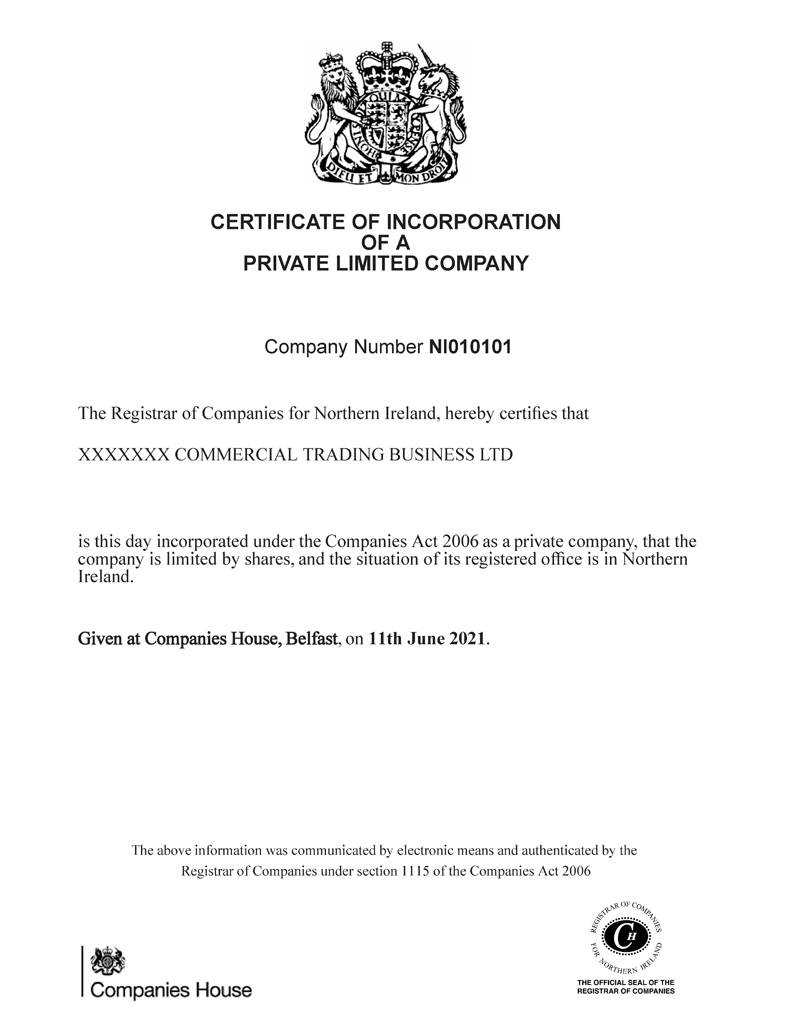
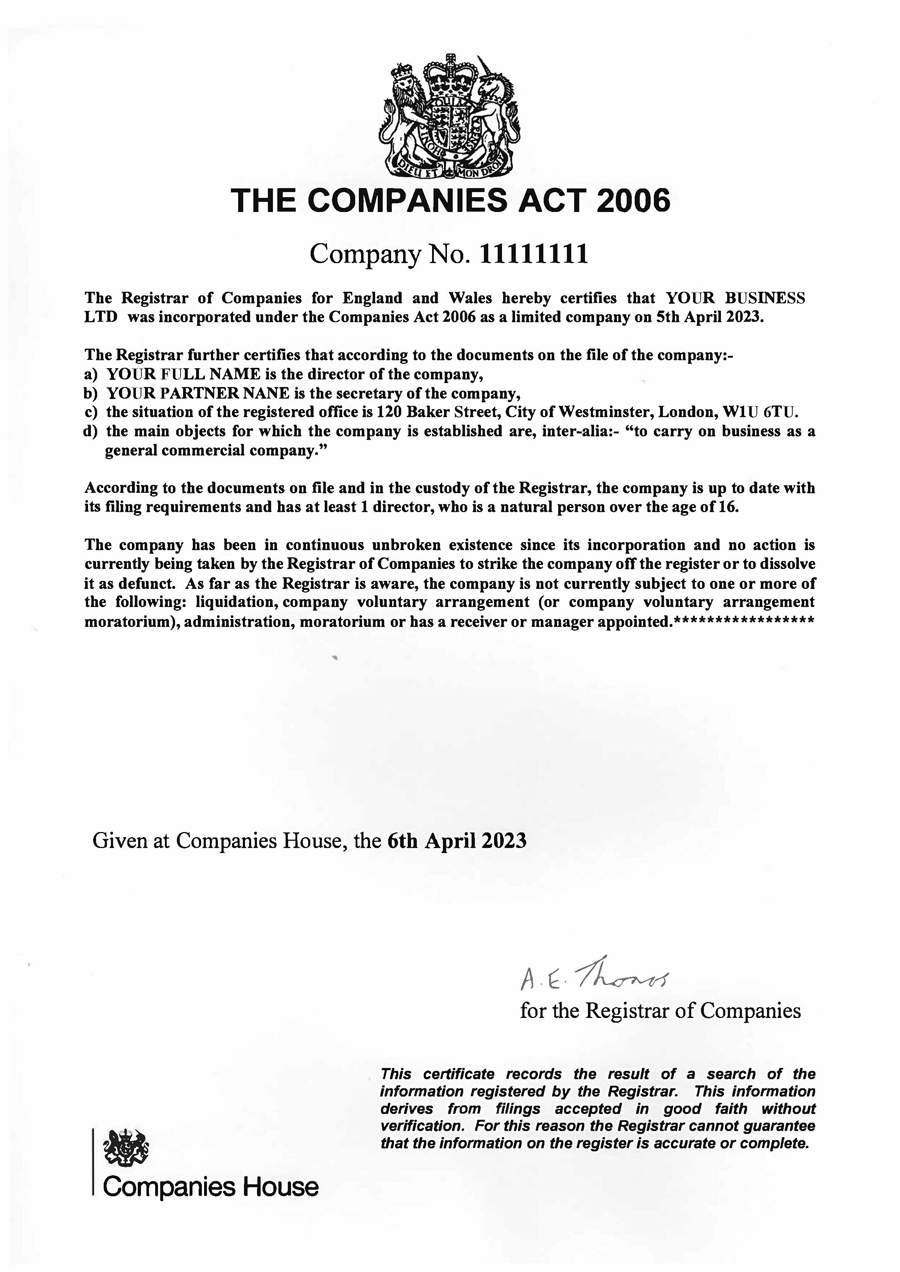
• Digital Certificate of Incorporation
• Standard company formation documents
• Director and shareholder registration
• PSC registration, where applicable
• Guidance on the applicable identity verification requirements for proposed directors and PSCs
• Digital delivery of all company documents
This version keeps the package firmly connected to the page's overall message: company formation → identity verification → incorporation → ongoing compliance, rather than presenting incorporation and identity verification as separate, unrelated services.


£149.99
+VAT

“ProStart™”

Recommended for

2
package

Buy Now ProStart™ — £49.99 + £100 Companies House Fee (Total: £149.99). Professional company formation with essential Companies House compliance support.
ProStart™ is designed for founders who want more than a basic company incorporation. Alongside the company formation process, it provides the essential address and compliance services needed to establish your company's public record professionally from the outset. In addition to incorporating your company, we register your directors, shareholders and, where applicable, People with Significant Control (PSCs). We also provide guidance on the applicable Companies House identity verification requirements, helping you understand the appropriate verification route, your Personal Code and the next steps before the relevant Companies House procedures can continue. By including a Registered Office Address and Director Service Address, ProStart™ helps protect your personal privacy by reducing the need to use a residential address on the public Companies House register. Where appropriate, we can also provide a PSC Service Address.

Ideal for: Founders who want to establish their company with appropriate address services, identity verification guidance and essential compliance support from day one.
Includes everything in FastStart™, plus:
• Registered Office Address
• Director Service Address
• PSC Service Address, where appropriate
• Guidance on the applicable Companies House identity verification requirements
• Practical guidance on your Companies House Personal Code
• Initial Companies House compliance guidance
• Company formation administration support
Best for: Entrepreneurs who want to build their company on a strong compliance foundation while keeping incorporation, identity verification guidance and essential statutory services together in one professional package.


£199.99
+VAT

“CorpSolutions™”

Recommended for

3
package

Buy Now CorpSolutions™ — £99.99 + £100 Companies House Fee (Total: £199.99). Complete company formation with ongoing Companies House compliance support.
CorpSolutions™ is designed for founders who want more than a successful incorporation. It combines professional company formation with practical compliance support, helping you establish your business correctly while preparing for the ongoing Companies House responsibilities that follow. Alongside company incorporation, we register your directors, shareholders and, where applicable, People with Significant Control (PSCs). We also provide guidance on the applicable identity verification requirements, explain how your Companies House Personal Code supports future statutory processes and help you understand your post-incorporation obligations. The package includes a comprehensive Registered Office solution, Director Service Address and, where appropriate, a PSC Service Address, providing a strong compliance foundation from the outset. Rather than treating incorporation as a one-time filing, CorpSolutions™ supports your company as it progresses beyond registration and into its ongoing statutory lifecycle.

Ideal for: Business owners who want a professional compliance partner from incorporation onwards.
Includes everything in ProStart™, plus:
• Comprehensive Registered Office solution
• Director and PSC Service Address arrangements, where appropriate
• Companies House compliance support
• Assistance with company changes and statutory amendments
• Confirmation Statement guidance and support
• Guidance on maintaining accurate Companies House records
• Support with relevant Companies House communications
• Practical post-incorporation company secretarial assistance
Best for: Entrepreneurs who want to establish their company with confidence and benefit from continued professional guidance long after the Certificate of Incorporation has been issued.


£249.99
+VAT

“IntlSolutions™”

Recommended for

4
package

Buy Now IntlSolutions™ — £149.99 + £100 Companies House Fee (Total: £249.99). Complete UK company formation and Companies House compliance for international founders.
IntlSolutions™ is designed for entrepreneurs who live outside the United Kingdom and want to establish a UK company with confidence. Whether your proposed directors, shareholders or, where applicable, People with Significant Control (PSCs) are based overseas, this package combines professional company formation with practical guidance throughout the identity verification and Companies House compliance journey. In addition to incorporating your company, we provide guidance on the applicable identity verification requirements, explain the verification routes available for international applicants and assist with identification documents issued outside the UK where appropriate. We also help you understand your Companies House Personal Code and the next steps required to establish and maintain your UK company remotely. The package includes a Registered Office Address, Director Service Address and, where appropriate, a PSC Service Address, together with ongoing Companies House compliance guidance designed specifically for international founders.

Ideal for: Overseas entrepreneurs, international directors and businesses establishing or expanding their presence in the United Kingdom.
Includes everything in CorpSolutions™, plus:
• International company formation support
• Guidance on the applicable identity verification requirements for overseas directors and PSCs
• Review of internationally issued identification documents, where appropriate
• Assistance in identifying the appropriate verification route
• Registered Office Address
• Director Service Address
• PSC Service Address, where appropriate
• Companies House guidance for international founders
• Practical guidance on your Companies House Personal Code
• Ongoing Companies House compliance assistance
• Support with relevant company changes and statutory filings
Best for: Non-UK residents, overseas directors and international businesses seeking a professionally managed UK company formation service with ongoing compliance support beyond incorporation.


Your Company Formation Journey Starts Here

Whether you're forming a new UK company, appointing your first director or preparing for Companies House identity verification, this guide follows the complete journey from incorporation to ongoing compliance. Use the navigation below to jump directly to the stage most relevant to your circumstances.

New to UK Company Formation?

If this is your first UK company, we recommend reading the page from the beginning. The guide has been designed to follow the same sequence most founders experience—from appointing directors and completing identity verification through to receiving a Personal Code and understanding your ongoing Companies House responsibilities.


Still Deciding? Continue Your Company Formation Journey

Choosing the right company formation package is only one part of establishing a successful UK company. If you are still comparing your options or would like to better understand how director identity verification, Companies House requirements, the Personal Code and ongoing compliance fit together, the guidance below will help you make a more informed decision.
The following articles explain the practical stages of the company formation journey in greater detail, from appointing directors and identifying People with Significant Control (PSCs) to completing identity verification, understanding your Companies House Personal Code and meeting your future statutory responsibilities.
Whether you decide to complete certain stages yourself or prefer professional assistance from Coddan, our aim is to help you understand the process before making important compliance decisions. The more you understand about your obligations at the beginning of your business journey, the easier it becomes to establish and maintain a well-managed UK company.
Continue reading to explore the practical guidance below and discover how each stage supports the next in your Companies House compliance journey.

Forming a New UK Company

Starting a UK company is an exciting milestone, whether you are launching a new business, expanding an existing organisation or establishing a presence in the United Kingdom. Before a company begins trading, however, several important legal and administrative steps may need to be completed to ensure the business is established in accordance with current Companies House requirements.

One of those early compliance considerations is the appointment of the company's director or directors. As part of the wider company formation journey, identity verification has become an important consideration for many individuals who are becoming company directors. Understanding when identity verification becomes relevant, which verification route may be appropriate and how it fits into the incorporation process can help avoid unnecessary delays as your company moves towards registration and ongoing compliance.

Identity verification should not be viewed as a standalone task. It forms part of a wider sequence of events that may include appointing directors, identifying any People with Significant Control (PSCs), completing the appropriate Companies House processes and, where applicable, obtaining a Personal Code for future interactions with Companies House. Each step supports the next, helping to establish a compliant foundation for your business.

For many entrepreneurs, particularly those forming a company for the first time, questions often arise such as:

  • Does my new director need to complete identity verification?
  • When should the verification be completed during the company formation process?
  • Which identity verification route is appropriate for the director's circumstances?
  • Will the director also need to be identified as a Person with Significant Control (PSC)?
  • What happens after identity verification has been completed?

This guide has been created to answer those practical questions in the context of forming a new UK company. Rather than focusing solely on identity verification itself, it explains how director identity verification fits into the broader incorporation journey and how the next Companies House processes may follow.

Whether you are establishing a private company limited by shares, a company limited by guarantee, an unlimited company or another UK company structure, understanding the role of director identity verification at the outset can make the incorporation process clearer and more straightforward. If you would prefer professional assistance, Coddan can help you identify the appropriate verification route, complete the relevant identity verification process online and support the wider company formation journey beyond verification itself.

Does This Apply to Your Company?

Although many entrepreneurs associate identity verification with a private company limited by shares, the Companies House identity verification requirements are connected to the individual's role as a company director, rather than simply the type of company being formed.

If you are appointing a new director, the applicable identity verification requirements may be relevant regardless of whether you are establishing a private company, a company limited by guarantee, an unlimited company or a public limited company (PLC). The precise requirements and procedures depend on the relevant Companies House framework and the circumstances of the appointment.

The table below provides a general overview of how this guidance may apply to different UK company structures.

UK Company Type When Director Identity Verification May Become Relevant
Private Company Limited by Shares When appointing a new director during company incorporation or as part of a subsequent director appointment, where the applicable Companies House identity verification requirements apply.
Private Company Limited by Guarantee When a new director is appointed and the relevant Companies House identity verification requirements apply to that appointment.
Unlimited Company Director identity verification may become relevant when appointing a new director in accordance with the applicable Companies House requirements.
Public Limited Company (PLC) New directors may also be required to complete the applicable identity verification process as part of the relevant Companies House procedures.

It is important to remember that identity verification relates to the individual who is becoming a company director, not to the commercial activities of the business itself. Whether your company trades internationally, operates as a charity, manages property or provides professional services does not, by itself, determine whether identity verification is required.

Not every company formation follows exactly the same route. Some businesses have more complex ownership structures, multiple directors, corporate shareholders or international participants that require additional planning before incorporation or director appointments can proceed.

If your company formation is more complex than a straightforward incorporation, or your proposed director's circumstances require additional consideration, Coddan can help identify the most appropriate company formation and identity verification pathway, ensuring that your incorporation and Companies House compliance journey starts on the right foundation.


New Company Formation Journey

Identity Verification Is Now Part of Starting a UK Company

Establishing a UK company now involves more than submitting incorporation documents. New directors may need to complete the applicable Companies House identity verification requirements before certain statutory processes can continue, making identity verification one of the first practical milestones in the modern company formation journey.

Company Formation Has Changed

Today's founders must understand how director appointments, People with Significant Control (PSCs), identity verification and the Companies House Personal Code fit together. Missing one step can delay the next stage of the company formation process.

A Simpler Route Forward

Coddan helps founders understand the appropriate identity verification route, prepare for the relevant Companies House requirements and continue confidently from company formation to incorporation and ongoing compliance.

Your company formation journey starts with confidence. Whether you're establishing your first UK company or appointing a new director, understanding the identity verification process early can help you avoid unnecessary delays and build a stronger foundation for future Companies House compliance.

Appointing a Director and Identifying PSC(s), Where Applicable

One of the first practical steps when forming a UK company is deciding who will manage the business and who ultimately owns or controls it. Although these decisions are often made at the same time, they involve two separate legal concepts that should be considered independently.

A company director is responsible for managing the company and ensuring that it meets its legal and statutory obligations. Every UK company must have at least the minimum number of directors required for its particular company structure, and additional directors may be appointed as the business grows or its governance requirements change.

A Person with Significant Control (PSC), by contrast, is an individual or legal entity that meets one or more of the statutory conditions for significant ownership or control over the company. A PSC may own a substantial proportion of the company's shares or voting rights, have the right to appoint or remove the majority of the board, or otherwise exercise significant influence or control over the company.

These roles frequently overlap, but they are not the same.

For example:

  • A sole founder may be both the company's only director and its only PSC.
  • A company may appoint professional directors who have no ownership interest and are therefore not PSCs.
  • An investor may qualify as a PSC without serving as a company director.
  • A company with several shareholders may have multiple PSCs alongside one or more directors.

Understanding this distinction is important because the Companies House identity verification requirements apply to the relevant corporate role. If an individual is appointed as a director, their appointment may give rise to director identity verification requirements. If that same individual also qualifies as a PSC, their PSC status should be considered separately, as the applicable Companies House processes and future compliance obligations may differ.

For this reason, it is often helpful to consider both appointments together during the company formation process. Identifying directors and determining whether any PSCs need to be recorded at an early stage can make the subsequent Companies House procedures more efficient and reduce the likelihood of avoidable compliance issues later in the incorporation process.

The next step is understanding how a new director can complete the applicable identity verification process and which verification route may be appropriate for their individual circumstances. Where a PSC also requires identity verification, that process should be assessed separately according to the person's role and the relevant Companies House requirements.


Company Formation & Identity Verification

Ready to Form Your UK Company? Start with the Right Compliance Foundation

Company formation is no longer just about incorporating a business. Director identity verification, Companies House requirements and your Personal Code now form part of the journey. Choose the level of professional support that best matches your circumstances.

Company Formation Packages

Choose from four professionally managed formation packages, ranging from straightforward incorporation to comprehensive compliance support for UK and international founders.

Identity Verification Guidance

Understand the appropriate Companies House identity verification route, your Personal Code and the next compliance steps before your incorporation or director appointment progresses.

Director Identity Verification Routes – GOV.UK, Post Office or an Authorised Corporate Service Provider (ACSP)

Once it has been established that a new director needs to complete identity verification, the next step is determining the most appropriate verification route. Companies House provides more than one way for eligible individuals to verify their identity, and the most suitable option depends on the director's personal circumstances, available identification documents and the applicable Companies House requirements.

The objective is the same regardless of the route chosen: to verify the individual's identity so that Companies House can associate the verified person with their corporate role and, following successful verification, issue the relevant Personal Code for future Companies House processes.

Verify directly through GOV.UK
Many directors can complete their identity verification directly using the GOV.UK identity verification service. This route is designed for individuals whose circumstances and identification documents meet the requirements of the online verification process.

Where appropriate, this option allows directors to complete the verification themselves without using a third-party provider. The availability of this route depends on the individual's ability to satisfy the applicable identity verification requirements and successfully complete the required checks.

Verify through the Post Office, where applicable
In some circumstances, Companies House provides an identity verification route involving the Post Office. This option may be appropriate where an individual cannot complete the fully digital verification process but is eligible to verify their identity using an alternative method supported by the Companies House verification framework.

The availability of this route depends on the individual's circumstances and the verification options made available for their particular situation. Not every applicant will use this method, and it should not be regarded as an alternative chosen purely by preference.

Verify through an Authorised Corporate Service Provider (ACSP)
Many entrepreneurs, company founders and newly appointed directors prefer to complete identity verification through an Authorised Corporate Service Provider (ACSP), particularly when they are already receiving professional assistance with company formation or wider Companies House compliance.

An ACSP can guide clients through the applicable identity verification process, explain the documentation that may be required and help ensure that the verification is completed as part of the broader company formation journey. This can be especially valuable for individuals who would prefer professional support rather than navigating the process independently.

As an Authorised Corporate Service Provider, Coddan offers an online identity verification solution for eligible directors, helping clients understand the appropriate verification route and complete the relevant process while continuing with their company formation and compliance plans.

Which verification route is right for a new director?
There is no single verification route that applies to every director. Factors such as the individual's location, identity documents, ability to use the available digital services and the applicable Companies House requirements may all influence which route is appropriate.

Rather than asking which option is "best", it is more helpful to ask which route is most appropriate for your circumstances. Choosing the right approach from the outset can make the verification process smoother and help avoid unnecessary delays before progressing to the next stage of your company formation.

Once the applicable identity verification has been completed, the next consideration is understanding when identity verification becomes relevant to a new director appointment and how it fits into the wider Companies House process.


Verification Route Guide

Compare Your Identity Verification Options

Different verification routes may be appropriate depending on your circumstances. This comparison provides a general overview to help you understand which route may best support your company formation journey.

Verification Feature Standard Government Portal (GOV.UK One Login) Verification Through an ACSP
Suitable Applicants Individuals who are able to complete the applicable GOV.UK identity verification process using the available verification methods.. Individuals who prefer professional assistance or whose circumstances make an Authorised Corporate Service Provider (ACSP) route more appropriate.
Identification Documents Document requirements depend on the verification method selected and the applicable Companies House requirements. An ACSP will explain which documents are appropriate for your circumstances before verification begins.
Professional Guidance Applicants complete the process themselves using the official guidance provided. Professional support is available to help understand the appropriate verification route and Companies House requirements.
After Verification Successful verification leads to the issue of a Companies House Personal Code for future statutory use. Following successful verification, your Personal Code can be used in the relevant Companies House procedures in the same way.

Before You Begin: Prepare a valid identity document, ensure your personal details match the information intended for your Companies House records and consider which verification route is most appropriate for your circumstances before beginning the company formation process.

Who Can Be a Director and When Does Identity Verification Become Relevant?

A company director is an individual appointed to manage the affairs of a company and to fulfil the legal responsibilities associated with that role. Directors make decisions on behalf of the company, oversee its day-to-day management and help ensure that the business complies with its statutory obligations throughout its lifecycle.

The eligibility requirements for becoming a director depend on the relevant legislation and the type of company involved. In many cases, an individual may become a director regardless of their nationality or country of residence, provided they satisfy the applicable legal requirements. It is therefore common for UK companies to appoint directors who live either within the United Kingdom or overseas.

Identity verification becomes relevant when an individual is appointed as a new company director or is becoming involved in a Companies House process for which verification is required. As Companies House continues to implement identity verification under the Economic Crime and Corporate Transparency reforms, verifying a director's identity has become an important part of establishing and maintaining an accurate and trusted register.

For someone forming a new company, this means that identity verification should be considered as part of the overall incorporation planning rather than as a separate administrative task after the company has been established. Understanding the verification requirements at an early stage allows founders to prepare the necessary identification documents, choose the appropriate verification route and avoid interruptions as the incorporation process progresses.

It is equally important to recognise that the timing and requirements are not identical in every situation. The precise point at which identity verification becomes relevant depends on factors such as the individual's corporate role, the type of appointment being made and the applicable Companies House process. For this reason, directors should avoid assuming that every appointment follows exactly the same sequence or that every company formation involves identical verification steps.

Where a company is appointing more than one director, each individual should consider their own identity verification requirements. Likewise, if a director also qualifies as a Person with Significant Control (PSC), any PSC identity verification requirements should be considered separately, as they relate to a different statutory role even where they involve the same individual.

By understanding who can become a director and when identity verification becomes relevant, founders can approach the incorporation process with greater confidence and ensure that identity verification supports, rather than delays, the next stage of establishing their UK company.


Your Next Step

Identity Verification Is Only the Beginning

Successful identity verification is one important milestone in the company formation journey. Understanding what happens afterwards helps you continue confidently through incorporation, director appointments and ongoing Companies House compliance.

Continue Your Company Formation

After completing the applicable identity verification process, you can continue with the relevant Companies House procedures, including company incorporation or director appointments, while preparing for your future statutory responsibilities.

Use Your Personal Code

Your Companies House Personal Code becomes part of your verified identity and may be required during future Companies House procedures as your responsibilities and company activities develop.

Building Your Company Starts with Good Preparation. Whether you are forming your first UK company or appointing a new director, understanding identity verification, your Personal Code and your ongoing Companies House responsibilities helps create a stronger foundation for long-term business success.

When Can This Person Legally Act as a Director?

One of the most common questions asked by founders and newly appointed directors is when a person can legally begin acting as a company director. The answer depends on the circumstances of the appointment and the applicable Companies House requirements in force at the time.

Identity verification is now an important part of the Companies House framework for company incorporations and new director appointments. Since the introduction of mandatory identity verification, new directors are generally required to verify their identity as part of the incorporation process or before being appointed to an existing company, depending on the nature of the appointment.

However, it is important not to oversimplify the position.

The relationship between appointment, identity verification and the ability to act as a director is governed by the relevant Companies House process and the legal requirements applying to that particular appointment. The timing and effect of verification therefore depend on the applicable Companies House requirements and the type of appointment or filing involved.

For someone forming a new UK company, the practical approach is straightforward:

  • determine who will be appointed as director;
  • establish whether identity verification is required for that appointment;
  • complete the appropriate identity verification process using the most suitable route;
  • obtain the Personal Code following successful verification; and
  • use that verified status as part of the relevant Companies House incorporation or appointment process, where required.

By completing identity verification at an early stage, founders can often reduce the risk of avoidable interruptions during incorporation or when appointing a new director. Rather than discovering that verification is needed at a later stage of the process, it is generally more efficient to address this requirement before progressing with the relevant Companies House filing.

Where several directors are being appointed, each individual should consider their own identity verification requirements. Similarly, if one of those directors is also a Person with Significant Control (PSC), any PSC-related identity verification obligations should be assessed separately, even though the same individual may hold both roles.

For many entrepreneurs, particularly those establishing their first UK company or appointing directors who live overseas, understanding these requirements can feel uncertain. Professional guidance can help identify the appropriate verification route, ensure the necessary evidence is prepared and support a smoother progression from identity verification to the next stage of the company formation process.

The next practical question is what happens if a new director does not complete the required identity verification and how this may affect the company's incorporation or future Companies House compliance.


What Happens If the New Director Doesn't Verify?

Completing identity verification at the appropriate stage of the company formation or appointment process is more than an administrative formality. It is a legal requirement for individuals who are within scope of the Companies House identity verification regime, and failing to comply can have practical consequences for both the individual director and the company.

The precise consequences depend on the director's role, the relevant Companies House process and the applicable deadlines. However, delaying or failing to complete the required identity verification can interrupt important corporate procedures and create avoidable compliance issues.

For example, a person who has not complied with the applicable identity verification requirements may be unable to:

  • be appointed as a new director of an existing company;
  • register a new company where a verified Personal Code is required as part of the incorporation process;
  • complete certain Companies House processes that depend on verified identity information; or
  • support the company's ongoing statutory compliance where identity verification forms part of the relevant filing requirements.

For companies already on the register, identity verification also affects future compliance obligations. Companies House requires verified Personal Codes to be provided in connection with certain statutory processes, including confirmation statements where applicable. If the necessary verification requirements have not been met, the company may be unable to complete those filings correctly.

In addition, continuing to act as a director without complying with mandatory identity verification requirements after the applicable deadline may constitute an offence. Depending on the circumstances, Companies House may take enforcement action, which can include financial penalties or prosecution. Companies House has also stated that it may publish a note on the public register identifying individuals who have not complied with the verification requirements.

For most founders, these consequences are entirely avoidable.

By considering identity verification early in the company formation process, directors can prepare the appropriate documentation, select the verification route that best fits their circumstances and obtain their Personal Code before progressing to the next Companies House stage. This proactive approach helps reduce the likelihood of unexpected delays during incorporation, director appointments or future compliance activities.

If you are unsure whether a proposed director needs to verify their identity, or you are uncertain which verification route is appropriate, obtaining professional guidance before submitting the relevant Companies House filing can often be simpler than resolving compliance issues after the process has already begun.


What About the Company's PSC(s)?

While appointing the company's directors is a key part of forming a UK company, it is equally important to consider whether the business has any People with Significant Control (PSCs). Although this question often arises during the same stage of incorporation, PSCs represent a separate statutory role and should not be confused with company directors.

A Person with Significant Control is an individual or, in some circumstances, a relevant legal entity that meets one or more of the legal conditions for significant ownership or influence over a company. This may include holding a substantial proportion of the company's shares or voting rights, having the power to appoint or remove the majority of the board, or otherwise exercising significant influence or control.

It is important to distinguish between the two roles:

  • A director manages the company and is responsible for its day-to-day administration and governance.
  • A PSC is identified because of the level of ownership or control they hold over the company.

Sometimes the same individual fulfils both roles. For example, the founder of a new company may be appointed as its first director while also owning all of the company's shares, making them both a director and a PSC. In other businesses, however, the directors and PSCs may be entirely different people.

Because these are separate statutory roles, the relevant Companies House requirements should be considered independently. An individual who is both a director and a PSC should not assume that one role automatically satisfies the requirements for the other. Each role forms part of the company's statutory record and should be assessed according to the applicable Companies House processes.

For this reason, many founders find it helpful to consider director appointments and PSC identification together during the company formation process. Confirming who will manage the company and who ultimately owns or controls it creates a clearer picture of the company's governance from the outset and helps ensure that the appropriate compliance steps are completed in the correct order.

If your company includes one or more PSCs, the next consideration is whether those individuals also need to complete identity verification and how their circumstances may influence the most appropriate verification route. This is addressed separately because PSC identity verification follows its own compliance journey, even where the same individual also serves as a company director.

For more detailed guidance on identifying PSCs, understanding their identity verification requirements and choosing the appropriate verification solution, explore Coddan's dedicated PSC Identity Verification resources, which explain this separate area of Companies House compliance in greater depth.


Who Is a PSC and When Does PSC Verification Become Relevant?

A Person with Significant Control (PSC) is an individual or, in certain circumstances, a relevant legal entity that has significant ownership or influence over a UK company. The PSC regime helps promote corporate transparency by requiring companies to identify and record the individuals who ultimately own or control the business.

A person may be regarded as a PSC if they meet one or more of the statutory conditions set out in UK company law. These conditions commonly relate to:

  • ownership of shares;
  • voting rights;
  • the right to appoint or remove a majority of the board of directors; or
  • the ability to exercise significant influence or control over the company.

Not every shareholder is a PSC, and not every director is a PSC. Whether someone qualifies depends on their particular relationship with the company and the level of ownership or control they exercise.

When does PSC identity verification become relevant?

Where a company has one or more PSCs, identity verification should be considered separately from the appointment of directors. Although the same individual may hold both positions, the Companies House requirements relating to directors and PSCs apply to different statutory roles.

For a newly formed company, it is sensible to identify any PSCs as early as possible during the incorporation process. Doing so allows founders to understand which individuals may need to complete identity verification, prepare the appropriate documentation and ensure that the company's statutory information is accurate from the outset.

The timing and application of PSC identity verification depend on the relevant Companies House requirements and the individual's circumstances. Companies should therefore avoid assuming that every PSC follows exactly the same process or timetable as every director. Where an individual is both a director and a PSC, each role should be considered independently when determining the applicable compliance requirements.

Director and PSC – one person, two statutory roles

In many owner-managed businesses, a founder will be both:

  • a company director, responsible for managing the business; and
  • a Person with Significant Control, because they own or control the company.

Although this is a common situation, it does not merge the two roles into one. Each role has its own legal purpose within the Companies House framework, and each should be considered according to the relevant statutory requirements.

Understanding this distinction at the beginning of the company formation journey helps avoid confusion later, particularly when completing Companies House processes, using a Personal Code or managing future compliance obligations.

If your company includes one or more PSCs, or you believe an individual may qualify as both a director and a PSC, it is often beneficial to review both roles together before proceeding. Coddan's dedicated PSC Identity Verification service and supporting guidance explain the identity verification requirements for PSCs in greater detail and can help you determine the most appropriate verification route based on the individual's specific circumstances.


Complete Identity Verification Online

Once you have identified who will act as the company's director and, where applicable, who qualifies as a Person with Significant Control (PSC), the next step is to complete the appropriate identity verification process.

Today, identity verification can often be completed online, making it easier for founders and newly appointed directors to satisfy the relevant Companies House requirements without unnecessary delays. The appropriate verification route, however, depends on the individual's circumstances, the identification documents available and the verification options applicable to that person.

Choose the verification route that fits your circumstances
Companies House provides different methods of completing identity verification. For many individuals, direct verification through the GOV.UK service will be appropriate. Others may be eligible to use the Post Office verification route where applicable, while many directors choose to complete the process through an Authorised Corporate Service Provider (ACSP) as part of their wider company formation or compliance arrangements.

These routes are not competing products. They are different methods of completing the same regulatory requirement, and the most appropriate option depends on the individual's situation rather than personal preference alone.

Why many founders choose professional assistance
For entrepreneurs who are already establishing a UK company, identity verification is only one of several important compliance steps. Alongside appointing directors and identifying PSCs, founders are often preparing incorporation documents, selecting a registered office address, considering director service addresses and planning for future Companies House obligations.

Rather than managing each requirement separately, many business owners prefer to complete identity verification with professional support as part of the wider company formation process.

Using an Authorised Corporate Service Provider can help simplify the journey by providing guidance on:

  • the most appropriate identity verification route;
  • the documentation that may be required;
  • the verification process itself;
  • the issue and future use of the Personal Code; and
  • the next Companies House steps following successful verification.

This approach allows founders to move from identity verification to incorporation and ongoing compliance with greater confidence.

Online verification with Coddan
As an Authorised Corporate Service Provider (ACSP), Coddan offers an online identity verification solution for eligible directors and, where applicable, People with Significant Control.

Our role is not to replace Companies House or the GOV.UK identity verification service. Instead, we help clients understand the applicable requirements, identify the appropriate verification route and complete the relevant identity verification process as part of their wider company formation journey.

Whether you are establishing your first UK company, appointing an additional director or incorporating a business with overseas participants, our team can help you navigate the process efficiently while ensuring that identity verification fits naturally into your overall compliance planning.

By completing identity verification online at the appropriate stage, you can continue towards the next milestone in the company formation process—receiving your Companies House Personal Code and using it in the relevant Companies House procedures where required.


Complete Identity Verification Online

Once you have identified who will act as the company's director and, where applicable, who qualifies as a Person with Significant Control (PSC), the next step is to complete the appropriate identity verification process.

Today, identity verification can often be completed online, making it easier for founders and newly appointed directors to satisfy the relevant Companies House requirements without unnecessary delays. The appropriate verification route, however, depends on the individual's circumstances, the identification documents available and the verification options applicable to that person.

Choose the verification route that fits your circumstances
Companies House provides different methods of completing identity verification. For many individuals, direct verification through the GOV.UK service will be appropriate. Others may be eligible to use the Post Office verification route where applicable, while many directors choose to complete the process through an Authorised Corporate Service Provider (ACSP) as part of their wider company formation or compliance arrangements.

These routes are not competing products. They are different methods of completing the same regulatory requirement, and the most appropriate option depends on the individual's situation rather than personal preference alone.

Why many founders choose professional assistance
For entrepreneurs who are already establishing a UK company, identity verification is only one of several important compliance steps. Alongside appointing directors and identifying PSCs, founders are often preparing incorporation documents, selecting a registered office address, considering director service addresses and planning for future Companies House obligations.

Rather than managing each requirement separately, many business owners prefer to complete identity verification with professional support as part of the wider company formation process.

Using an Authorised Corporate Service Provider can help simplify the journey by providing guidance on:

  • the most appropriate identity verification route;
  • the documentation that may be required;
  • the verification process itself;
  • the issue and future use of the Personal Code; and
  • the next Companies House steps following successful verification.

This approach allows founders to move from identity verification to incorporation and ongoing compliance with greater confidence.

Online verification with Coddan
As an Authorised Corporate Service Provider (ACSP), Coddan offers an online identity verification solution for eligible directors and, where applicable, People with Significant Control.

Our role is not to replace Companies House or the GOV.UK identity verification service. Instead, we help clients understand the applicable requirements, identify the appropriate verification route and complete the relevant identity verification process as part of their wider company formation journey.

Whether you are establishing your first UK company, appointing an additional director or incorporating a business with overseas participants, our team can help you navigate the process efficiently while ensuring that identity verification fits naturally into your overall compliance planning.

By completing identity verification online at the appropriate stage, you can continue towards the next milestone in the company formation process—receiving your Companies House Personal Code and using it in the relevant Companies House procedures where required.


Before You Start

Before beginning the identity verification process, it is worth taking a few moments to confirm where you are in your company formation journey. Answering the following practical questions can help you identify the most appropriate verification route and reduce the likelihood of delays later in the incorporation process.

Before You Start – Practical Checklist

✓ Are you forming a new UK company or appointing a director to an existing company?
The applicable Companies House process may differ depending on whether the director is part of a new incorporation or a subsequent appointment.

✓ Does the proposed director need to complete identity verification?
Identity verification requirements depend on the individual's role and the relevant Companies House requirements. Confirming this at an early stage helps ensure the appointment proceeds smoothly.

✓ Is the director based in the UK or overseas?
A director's country of residence does not prevent them from serving on a UK company, but it may influence the most appropriate identity verification route and the evidence required.

✓ Which identity verification route is likely to be appropriate?
Depending on the individual's circumstances, verification may be completed through the GOV.UK service, the Post Office where applicable, or an Authorised Corporate Service Provider (ACSP).

✓ Does the director have suitable identification documents available?
Preparing the required documents before starting the verification process can help avoid interruptions and unnecessary delays.

✓ Will the director also be a Person with Significant Control (PSC)?
If the individual also qualifies as a PSC, remember that this is a separate statutory role. Any PSC identity verification requirements should be considered independently, even where the same person holds both positions.

✓ Has the director already completed Companies House identity verification?
If the individual has previously verified their identity and received a Personal Code, it may be possible to use that existing verified identity for future Companies House processes, rather than repeating the verification itself, where the applicable requirements permit.

✓ Do you understand what happens after the Personal Code is issued?
Receiving a Personal Code is not the end of the process. The code forms part of the individual's verified Companies House identity and may be required in connection with future appointments, incorporations and other Companies House procedures.

✓ Would professional assistance make the process simpler?
Many founders prefer expert guidance when establishing a new company, particularly where identity verification forms only one part of a broader incorporation project. Professional support can help coordinate verification with company formation, director appointments, PSC considerations and the next stages of Companies House compliance.

A Strong Start Makes the Rest of the Journey Easier
Completing this checklist before beginning identity verification helps establish a clear understanding of your circumstances and the steps that follow. Rather than treating verification as an isolated requirement, you can approach it as one of the first practical milestones in creating a compliant UK company.

Once identity verification has been successfully completed, the next stage is receiving your Companies House Personal Code and understanding how it supports your future interactions with Companies House throughout the life of your company.


Receive Your Personal Code

Successfully completing the applicable Companies House identity verification process is an important milestone, but it is not the final step. Once your identity has been verified, you will be issued with a Companies House Personal Code—a unique identifier that links your verified identity to your future interactions with Companies House.

For many new directors, this is the first time they encounter a Personal Code. It is therefore helpful to understand that the code is much more than a confirmation that identity verification has been completed. It becomes part of your ongoing relationship with Companies House and supports a range of statutory processes throughout your time as a company director or, where applicable, a Person with Significant Control (PSC).

What is a Companies House Personal Code?
A Personal Code is a unique reference issued to an individual after successful identity verification. Rather than being linked to a particular company, it is linked to the verified individual.

This means that the same Personal Code can continue to be relevant if you:

  • establish a new UK company;
  • become a director of another company;
  • hold appointments across multiple companies;
  • also qualify as a Person with Significant Control (PSC), where the applicable Companies House requirements apply; or
  • interact with Companies House in other circumstances that require a verified identity.

The Personal Code therefore represents your verified Companies House identity, not simply a single company appointment.

Why does the Personal Code matter?
As Companies House continues to modernise the UK company register, the Personal Code plays an increasingly important role in connecting verified individuals with the corporate roles they hold.

Depending on the relevant Companies House process, your Personal Code may be needed when:

  • incorporating a new company;
  • recording a new director appointment;
  • completing other Companies House procedures that require a verified identity; or
  • managing future statutory responsibilities connected with your verified corporate role.

The precise circumstances in which the Personal Code is required depend on the applicable Companies House requirements and the specific process being completed. It should therefore be retained securely for future use rather than treated as a one-time confirmation.

Keep Your Personal Code Safe
Because your Personal Code is linked to you personally, it may continue to be required long after your company has been incorporated. Keeping it accessible can make future Companies House interactions quicker and help avoid unnecessary delays when completing subsequent appointments or statutory filings.

If you later become involved with additional companies, change your corporate roles or need to complete further Companies House procedures, your existing verified identity and Personal Code may continue to support those activities, subject to the applicable Companies House requirements.

Learn More About Your Companies House Personal Code
Receiving your Personal Code marks the transition from identity verification to ongoing corporate compliance. Understanding how to use and manage it is just as important as obtaining it in the first place.

To explore this topic in greater detail, continue to Coddan's dedicated guidance on:


These resources explain how your Personal Code is used throughout the Companies House system and how it supports your future responsibilities as a verified company officer.


Use Your Personal Code

Receiving your Companies House Personal Code is only the beginning of its practical use. Once your identity has been successfully verified, the code becomes an important part of your future interactions with Companies House, helping to connect your verified identity with the corporate roles you hold.

Rather than being used only once, your Personal Code is intended to support you throughout your involvement with UK companies. As Companies House continues to implement identity verification across its services, the code may be required during a range of statutory processes, depending on the particular role you hold and the procedure being completed.

When might your Personal Code be used?
The exact circumstances vary according to the applicable Companies House requirements, but your Personal Code may become relevant when:

  • incorporating a new UK company;
  • accepting appointment as a company director;
  • updating information relating to your verified corporate role;
  • completing Companies House processes that require confirmation of your verified identity; or
  • interacting with Companies House in connection with future statutory responsibilities.

Because the code is linked to you as an individual, rather than to a single company, it can remain relevant even if you become involved with additional businesses or hold more than one corporate role.

One verified identity, multiple companies
Many entrepreneurs and business owners do not remain connected with only one company. Over time, you may:

  • establish another UK company;
  • become a director of additional companies;
  • hold appointments across several organisations;
  • act as both a director and a Person with Significant Control (PSC); or
  • take on new corporate responsibilities as your business interests expand.

In these circumstances, your verified identity continues to belong to you personally. Your Personal Code helps Companies House recognise that verified identity across the relevant processes, rather than requiring you to establish a new identity for each company with which you become involved.

Managing your Personal Code responsibly
As your Personal Code may be needed for future Companies House procedures, it should be retained securely alongside your other important corporate records.

Treat it as an ongoing element of your corporate identity rather than a temporary reference number. Keeping it available can make future appointments, incorporations and compliance activities more straightforward whenever the applicable Companies House process requires it.

If your circumstances change—for example, you become involved with multiple companies, your corporate roles evolve or you need guidance on using your verified identity—it is helpful to understand how your Personal Code fits into the wider Companies House framework.

Coddan's dedicated Director's Digital Passport / Personal Code, Your Director's Digital Passport / Personal Code and Key Officer Digital Passport resources explain how verified identities are used across different Companies House processes and provide practical guidance for managing your Personal Code throughout your business journey.

The next stage is recognising that identity verification and the Personal Code are not the end of the process. They are important milestones that allow your company formation to continue and support your ongoing Companies House compliance.


Company Formation Continues

Completing identity verification and receiving your Personal Code are significant milestones, but they are not the end of the company formation journey. They are important steps that enable you to move forward with establishing and managing your UK company in accordance with the applicable Companies House requirements.

For many founders, identity verification is one of the first regulatory checkpoints encountered during incorporation. Once this stage has been completed, attention naturally turns to the practical tasks involved in creating a fully operational and compliant business.

Depending on your circumstances, the next stages of the journey may include:

  • completing the relevant Companies House incorporation or appointment process;
  • confirming the company's directors and, where applicable, its People with Significant Control (PSCs);
  • establishing a registered office address;
  • arranging director and PSC service addresses where appropriate;
  • preparing the company's statutory records;
  • considering VAT registration, PAYE or other HMRC registrations, where required; and
  • putting in place the compliance arrangements needed to support the company after incorporation.

Each of these steps builds upon the previous one. Identity verification provides confidence that the individuals connected with the company have been verified where required, while the Personal Code supports subsequent Companies House processes involving those verified individuals.

From incorporation to ongoing compliance
Many entrepreneurs understandably focus on getting the company registered as quickly as possible. However, incorporation marks the beginning of a company's legal life rather than its conclusion.

Once a company has been established, directors are responsible for meeting a range of continuing statutory obligations. These may include maintaining accurate company information, recording changes to directors or PSCs, filing Confirmation Statements, updating statutory registers and ensuring that Companies House records remain current throughout the life of the business.

Viewing identity verification as part of this broader compliance journey helps founders make informed decisions from the outset. Rather than treating verification as a one-off administrative requirement, it becomes the first stage in building a well-governed company with accurate records and a clear compliance framework.

Supporting your business beyond identity verification
At Coddan, we see identity verification as the starting point of a much wider relationship with our clients. Many businesses that begin with director identity verification later require assistance with company formation, registered office services, director and PSC service addresses, Companies House filings, company amendments, Confirmation Statements and ongoing company secretarial support.

For that reason, our role extends beyond helping eligible individuals complete the appropriate identity verification process. We aim to support businesses throughout their corporate lifecycle, from incorporation and director appointments to the practical compliance responsibilities that arise as the company grows.

The next section explores what happens after identity verification has been completed and how your verified identity and Personal Code continue to support your future interactions with Companies House.


What Happens After Verification?

Completing identity verification is an important achievement, but it should be viewed as the beginning of your verified relationship with Companies House rather than the end of the process. Once your identity has been verified and your Personal Code has been issued, you are better positioned to progress with the relevant Companies House procedures and to manage your future corporate responsibilities with confidence.

For most directors, the journey continues well beyond company incorporation. As your business develops, your verified identity may support future appointments, changes to company information and other statutory interactions with Companies House. Understanding how your Personal Code fits into this wider compliance framework can help you avoid unnecessary delays and ensure that your company records remain accurate throughout the life of the business.

Your next steps
The following pathways provide practical guidance on the stages that typically follow successful identity verification.

Understand Your Personal Code
Learn what your Personal Code represents, why it is linked to your verified identity rather than a single company, and how it becomes part of your long-term relationship with Companies House.

Continue to:


Learn When and Where to Use Your Personal Code
Different Companies House procedures may require a verified identity. Understanding when your Personal Code may be requested helps you prepare for future incorporations, director appointments and other statutory processes without unnecessary uncertainty.

Explore guidance on using your Personal Code in the relevant Companies House procedures as your corporate responsibilities develop.

Manage Your Personal Code Throughout Your Business Journey
Many entrepreneurs become involved with more than one company or hold multiple corporate roles over time. Your Personal Code remains linked to you as an individual, making it important to understand how it should be managed as your business interests evolve.

If your circumstances change—for example, you establish another company, accept additional directorships or also become a Person with Significant Control (PSC)—your verified identity continues to play an important role in your future Companies House interactions.

Maintain Ongoing Companies House Compliance
Identity verification supports one stage of your compliance journey, but every company also has continuing statutory obligations after incorporation.

Depending on your company's activities, this may include:

  • appointing or resigning directors;
  • recording PSC changes;
  • maintaining a registered office;
  • using director and PSC service addresses;
  • filing Confirmation Statements;
  • updating company information; and
  • obtaining professional company secretarial or Companies House support where required.

By viewing identity verification as the first step in an ongoing compliance journey, rather than an isolated requirement, you can build stronger corporate governance from the very beginning.

Whether you are forming your first UK company or managing a growing portfolio of businesses, Coddan can support you beyond identity verification with company formation services, Companies House filings, statutory compliance and practical guidance throughout the life of your company.


Personal Code and Ongoing Compliance Pathways

Your Companies House Personal Code is designed to support more than a single identity verification. As your business develops, it becomes part of a wider compliance journey that extends from company formation to the ongoing management of your corporate responsibilities.

Whether you are establishing your first company or already involved with several businesses, understanding where to find the right guidance at the right time can make future Companies House interactions simpler and more efficient.

Understand Your Personal Code
If you have recently completed identity verification, your next priority should be understanding what your Personal Code is, how it relates to your verified identity and why it remains relevant throughout your corporate journey.

Explore:


These resources explain how your verified identity is recognised within the Companies House framework and why your Personal Code should be retained for future use.

Use Your Personal Code with Confidence
As Companies House continues to implement identity verification across its services, your Personal Code may be required for various statutory processes involving your verified corporate identity.

Learn more about:

  • when your Personal Code may be requested;
  • how it supports director appointments and company formation;
  • how it is connected with your verified identity; and
  • why it is important to keep your Personal Code secure and readily available.

Understanding these practical considerations can help you move through future Companies House procedures with greater confidence.

Manage Your Personal Code as Your Business Grows
Many directors become involved with more than one company during their business careers. Others may accept additional directorships, establish new businesses or become both directors and People with Significant Control (PSCs).

Because your Personal Code belongs to you, rather than to a particular company, it remains an important part of your ongoing Companies House relationship.

If your corporate responsibilities expand over time, understanding how your verified identity supports multiple appointments and future compliance activities becomes increasingly valuable.

Continue Your Companies House Compliance Journey
Identity verification is one of the first compliance milestones, but every UK company has continuing statutory responsibilities after incorporation.

As your company develops, you may also need guidance or professional assistance with:

  • director appointments and resignations;
  • PSC appointments and changes;
  • Confirmation Statements;
  • registered office services;
  • director and PSC service addresses;
  • company amendments and statutory updates;
  • company secretarial support; and
  • wider Companies House and HMRC compliance.

These services represent the natural continuation of your company formation journey, helping to keep your company records accurate and your statutory obligations up to date.

One Verified Identity. One Company Journey. Ongoing Professional Support.
Your identity verification is not an isolated event. It is one of the first steps in establishing a trusted corporate identity that will support your interactions with Companies House throughout the life of your business.

Whether you need assistance with your Personal Code, appointing additional directors, managing PSC requirements or maintaining ongoing statutory compliance, Coddan provides practical support throughout every stage of your company's lifecycle—from formation and verification to long-term corporate administration.


Our Solution May Be Right for You If...

Choosing the appropriate identity verification route begins with understanding your own circumstances. While many directors can complete the verification process independently, others prefer professional guidance as part of a wider company formation or Companies House compliance project.

If the following situations describe your requirements, Coddan's online director identity verification service may be a suitable solution.

Our Solution May Be Right for You If...

You are forming a new UK company.
You want to complete the necessary compliance steps efficiently so your incorporation can progress with confidence.

You are appointing a new company director.
You want to understand when identity verification becomes relevant and how it fits into the wider Companies House process.

The proposed director needs to complete Companies House identity verification.
You are looking for a practical and compliant way to satisfy the applicable identity verification requirements.

You would like to complete the process online.
You prefer a straightforward digital solution that can be managed remotely without unnecessary complexity.

The director's circumstances are relatively straightforward.
The proposed director has appropriate identification documents and does not anticipate significant complications during the verification process.

You would prefer professional assistance rather than navigating the process independently.
You want experienced guidance on the appropriate verification route and support throughout the verification journey.

You want to avoid unnecessary delays during company formation or director appointment.
By addressing identity verification at the appropriate stage, you can continue with the relevant Companies House procedures more efficiently.

You want identity verification to form part of a wider company formation solution.
Rather than treating verification as an isolated task, you are looking for support that extends into incorporation, Companies House compliance and future business administration.

Why many founders choose Coddan
Many entrepreneurs come to us not simply because they need identity verification, but because they are establishing a business and want to ensure that the early compliance stages are handled correctly.

Our role is to help you:

  • understand the applicable Companies House identity verification requirements;
  • identify the most appropriate verification route for your circumstances;
  • complete the relevant online verification process;
  • understand your Companies House Personal Code and its future use; and
  • continue confidently with the next stages of company formation and ongoing compliance.

Identity verification is often one of the first regulatory milestones in creating a UK company. With the right guidance, it can become the foundation for a smoother incorporation process and a well-managed compliance journey long after your company has been established.


You May Need a Different Solution If...

Not every identity verification requirement can be resolved through the same process. While many new directors can complete verification using a straightforward online route, some circumstances require additional assessment, alternative verification methods or more specialised professional support.

If any of the following situations apply, a different identity verification solution may be more appropriate than a standard online verification service.

You May Need a Different Solution If...
Your identity documents contain inconsistencies.
Differences in names, dates of birth or other personal information across official documents may require additional review before identity verification can be completed successfully.

You have changed your name.
Where a director's current name differs from that shown on identity documents, supporting evidence may be required to establish the link between those records.

Your identification documents are difficult to verify.
Certain documents may require further assessment because of their format, issuing authority or the verification route being used.

Additional evidence may be required.
Some applicants may need to provide further documentation to satisfy the applicable identity verification requirements, particularly where standard evidence is insufficient.

You live outside the United Kingdom and have more complex international circumstances.
Many overseas directors complete identity verification without difficulty, but internationally issued documents or more complex situations may require a specialist approach. If this reflects your circumstances, our International Director Identity Verification service provides more detailed guidance.

The company has a more complex ownership or governance structure.
Where multiple directors, corporate shareholders, overseas participants or more complex control arrangements are involved, it is often beneficial to consider identity verification alongside the wider company formation and governance requirements.

The individual is both a director and a Person with Significant Control (PSC).
Although this is common in owner-managed companies, the two statutory roles should be considered separately. You may benefit from reviewing both the director and PSC identity verification requirements together to ensure that each role is addressed appropriately.

Choosing the Right Solution from the Start
Selecting the appropriate verification route is often more important than selecting the quickest one. Beginning with a solution that reflects your individual circumstances can help reduce unnecessary delays, minimise requests for additional evidence and provide greater confidence as your company formation progresses.

If your situation is more complex than a straightforward online verification, Coddan offers a range of specialist identity verification services designed for different circumstances, including international directors, People with Significant Control, manual verification requirements and other Companies House compliance scenarios.

Our objective is not simply to help you complete identity verification—it is to help you choose the solution that best supports your company formation and your longer-term compliance journey.


Why Identity Verification Is Now Part of Forming a UK Company

For many years, establishing a UK company involved relatively few identity checks compared with opening a bank account or accessing other regulated financial services. As the UK's corporate environment evolved, the government introduced reforms to strengthen the integrity of the Companies House register and improve confidence in the information it contains.

Identity verification forms part of those wider reforms. Its purpose is not to create unnecessary barriers for genuine entrepreneurs, but to help ensure that the individuals recorded as company directors and, where applicable, People with Significant Control (PSCs), are the people they claim to be.

A more reliable register benefits everyone who relies on Companies House information. Business owners, investors, lenders, suppliers, professional advisers and public authorities all use the register when making important commercial decisions. Improving the accuracy of that information helps create greater confidence in the UK's corporate environment and supports a more transparent business landscape.

Identity verification also plays an important role in reducing opportunities for corporate fraud, the misuse of company identities and the appointment of fictitious or unauthorised individuals. By linking verified identities to corporate roles through a Personal Code, Companies House is strengthening the trustworthiness of its register while making it easier to connect individuals with their legitimate statutory responsibilities.

For new founders, this change should be viewed as a normal part of establishing a modern UK company rather than as an additional obstacle. Just as businesses expect to verify their identity when opening a business bank account or working with regulated professionals, identity verification has become one of the first practical compliance milestones in the company formation process.

Understanding this broader purpose can also make the process feel more logical. Identity verification is not an isolated administrative exercise or a one-time regulatory hurdle. It is designed to support a more accurate Companies House register, encourage responsible corporate governance and provide greater confidence in the businesses operating within the UK.

At Coddan, we see identity verification in exactly this way. It is the beginning of a company's compliance journey, not the end of it. By helping founders complete the appropriate verification process and understand the steps that follow, we support businesses in building a strong foundation for incorporation, ongoing Companies House compliance and sustainable long-term growth.